Govt notifies permanent winter pollution control guidelines
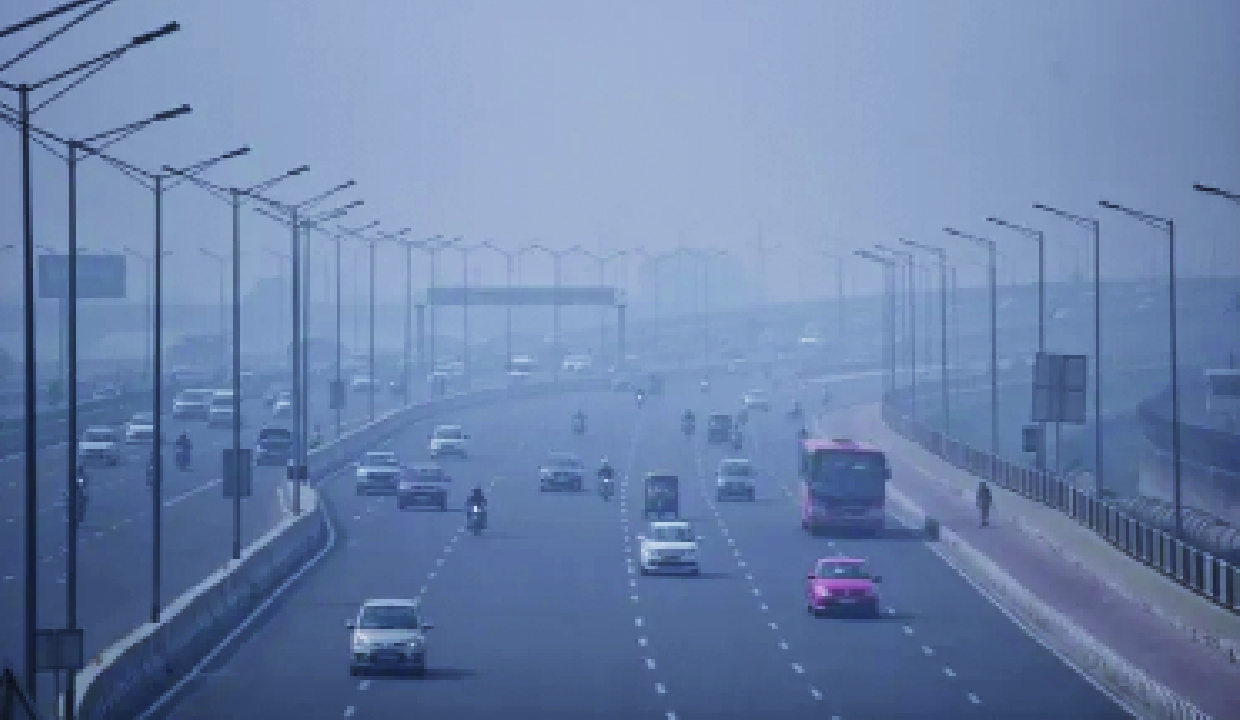
The Delhi Government has notified a permanent set of winter pollution control guidelines that will automatically come into force every year from November 1 to February 28 without requiring separate annual orders. The measures include a year-round ban on refuelling vehicles without a valid Pollution Under Control certificate, a prohibition on demolition and open civil construction from November 1 to January 31, mandatory 50 per cent work from home for Government and private offices during the same period, and a doubling of parking charges at authorised facilities from November 1 to February 28.
Chief Minister Rekha Gupta said the notification consolidates existing orders into a single enforceable framework. She said Delhi’s average Air Quality Index between November 1 and February 15 ranged from 312 to 342 over the past three years, with maximum AQI levels reaching between 461 and 494, providing the data basis for permanent rather than seasonal intervention. The notification also incorporates the revised Graded Response Action Plan issued by the Commission for Air Quality Management and the Supreme Court directions.
On vehicular pollution, all petrol, diesel, CNG, and LPG stations across Delhi will be required throughout the year, not just in winter, to supply fuel only to vehicles carrying a valid PUC certificate. Compliance will be verified through the NPR, vehicle database, and electronic systems rather than physical certificates alone. Oil companies, IGL, the Transport Department, MCD, and Delhi Traffic Police will enforce this. From November 1 to January 31 each year, non-Delhi-registered vehicles that do not meet BS-VI emission standards will be barred from entering the city, with exemptions for CNG, electric, emergency, and police vehicles.
Construction, demolition, and open civil construction that generate dust will be completely prohibited from November 1 to January 31. Finishing work, plumbing, and electrical installations may continue if dust norms are followed. From December 10 to January 20, only essential Government projects will be permitted, and vehicles carrying construction materials, including sand, gravel, stone, bricks, cement, and debris, will not be allowed to enter Delhi during this period.
For large commercial buildings with a built-up area exceeding 3,000 square metres, including malls, hotels, and office buildings of G plus 5 and above, installation of anti-smog guns or mist systems is now mandatory, to be completed by August 15. Construction sites with a plot area exceeding 1,000 square metres must also install mist systems.
These systems will operate throughout the year except between May 1 and September 15.
On open burning, action will now be taken not only against the individual responsible but against the institution or management found negligent. RWAs, housing societies, contractors, and all organisations employing staff for security, sanitation, or maintenance must ensure no open burning occurs on their premises. Drone-based surveillance will be used, particularly at night, to detect violations. Environmental compensation will be recovered from negligent institutions under the Environment Protection Act and the Air Prevention and Control of Pollution Act.
MCD offices will operate from 8:30 am to 5 pm, and Delhi Government offices from 10 am to 6:30 pm between November 1 and February 28 to stagger commuting hours. DMRC parking facilities are exempt from the doubled parking charge rule. Hospitals, fire services, water supply, sanitation, and other essential services are exempt from all restrictions.