Government plans to add 2,800 new electric buses
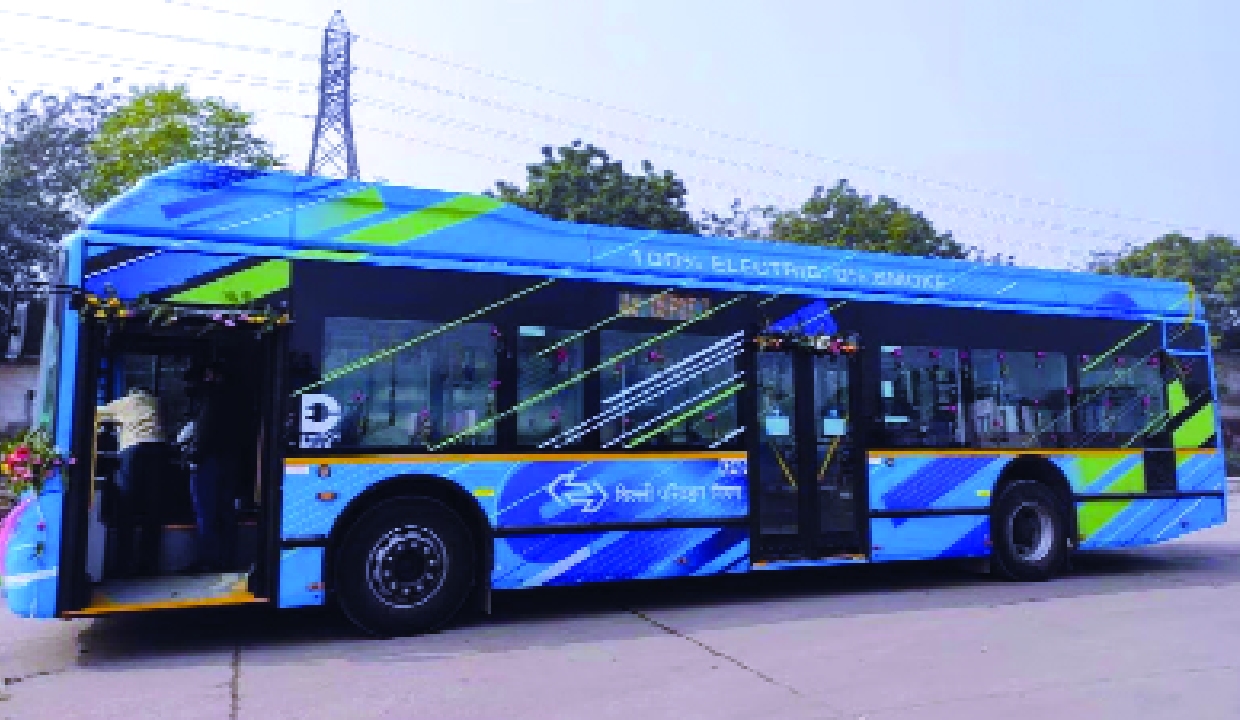
The Delhi Government has announced plans to add 2,800 new air-conditioned low-floor electric buses to the city’s public transport network under the Centre’s PM E-DRIVE scheme, in one of the biggest expansions of electric mobility in the Capital.
Transport Minister Dr Pankaj Kumar Singh said the proposed fleet will include 1,400 nine-metre buses and 1,400 twelve-metre buses aimed at improving connectivity, strengthening feeder services, and expanding access to public transport across Delhi.
The Government said the move is part of its larger strategy to modernise public transport infrastructure and reduce pollution caused by conventional fuel vehicles.
Officials said the induction of the new buses is expected to improve transport services in underserved and peripheral areas while also easing travel on high-density routes.
The Transport Department has already observed strong operational performance from the nine-metre electric buses currently running in the capital, particularly on feeder and local routes. Based on that experience, the Government now plans to build a more balanced fleet capable of handling both neighbourhood connectivity and heavy passenger traffic.
At present, Delhi operates nearly 4,300 electric buses, making it one of the largest electric bus networks in the country. According to the government, the number of electric buses in the capital is expected to rise to around 7,500 by the end of this year.
The Delhi Government has also set a long-term target of expanding the city’s total public transport bus fleet to nearly 14,000 buses by 2028-29. Officials said the expansion plan is intended to improve service coverage, increase accessibility, and provide better connectivity across all parts of the National Capital Territory.
Transport Minister Pankaj Kumar Singh said the government is also pursuing the addition of 3,330 more electric buses under PM E-DRIVE Phase II. This proposal includes 500 seven-metre electric buses that are expected to strengthen last-mile connectivity and feeder transport services in residential colonies, rural areas, and locations with limited public transport coverage.
The minister said the smaller buses would complement the larger bus network and help improve accessibility in areas where full-sized buses face operational difficulties.