Delhi Metro sets new benchmark with 99.95% punctuality in 2026
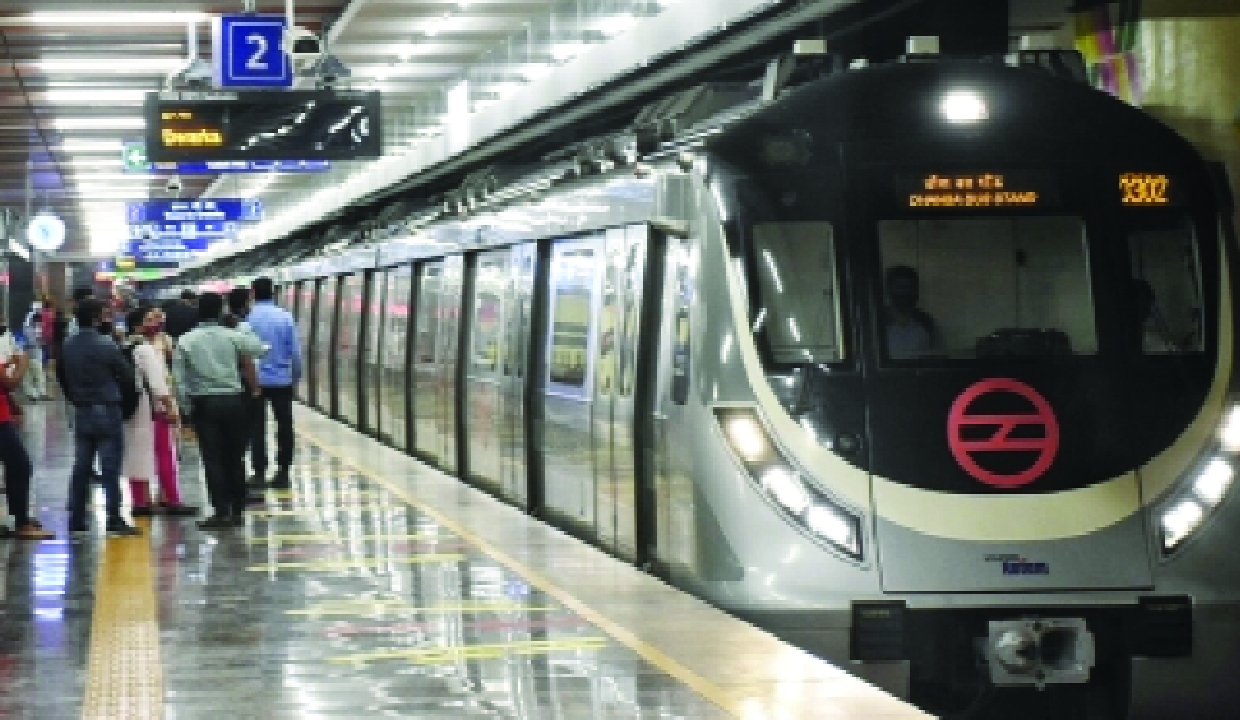
Delhi Metro has achieved a punctuality rate of 99.95 per cent in 2026, setting a new benchmark for the network, placing it ahead of the Hong Kong MTR, the Paris Metro and the New York subway in reliability and timeliness.
In Delhi Metro, a train is considered delayed if it reaches its destination more than 59 seconds after its scheduled arrival time, while many metro systems classify a delay only after several minutes. The Delhi Metro Rail Corporation (DMRC) operates the country’s longest metro network, covering 416.5 km with 303 stations across 12 lines. The network has 31 interchange stations connecting Delhi with the National Capital Region (NCR).
According to Anuj Dayal, Principal Executive Director, Corporate Communications, Delhi Metro, train punctuality, which was 98.27 per cent in 2003, climbed to 99.64 per cent in 2005, enabling DMRC to join the elite league of metro systems, achieving over 99 per cent punctuality within just two years of operation. Thereafter, DMRC has constantly achieved 99.9 per cent train punctuality, year after year. Train headway has reduced from seven minutes in the early years to just 2 minutes 18 seconds on the busiest corridors.
The Delhi Metro Rail Corporation said daily ridership has risen substantially from around 82,000 passenger journeys in its first year of operation to an average of 64.06 lakh journeys currently. The network recorded its highest single-day ridership of more than 81 lakh passenger journeys on August 8, 2025.
"Generally, as the network and fleet length increase along with maintenance issues with passage of time, the punctuality and reliability of the Metro system is impacted adversely.
However, in its 23 years of operations so far, Delhi Metro has defied this norm by maintaining a punctuality which stands at 99.95 per cent in 2026," he said.
Punctuality and reliability go hand in hand. DMRC has achieved a Mean Distance Between Failures (MDBF) of 2.72 million car-kilometres, a key indicator that measures the average distance travelled by Metro trains before a service-affecting failure occurs. Through international benchmarking by the Community of Metros (COMET)-a consortium of 45 leading metro systems worldwide-in terms of reliability, Delhi Metro has consistently ranked among the top five metro systems globally (based on the 2-minute delay criterion).
In addition, DMRC also operates India’s largest driverless metro network, with about 29 per cent of the network running under Unattended Train Operation (UTO). Line 7, spanning 71.55 km with 45 stations, is the world’s longest driverless metro line and one of the longest circular metro lines globally. It interchanges with every Delhi Metro corridor except a small portion of the Grey Line. The line has significantly reduced interchange congestion in the city’s core, created an integrated multi-route network, shortened passenger travel times, and provided alternate routing that strengthens operational resilience during service disruptions.
Delhi Metro began its journey on 25th December 2002 — an 8.4 km corridor between Shahdara and Tis Hazari with just 6 stations. Daily ridership has surged from nearly 82,000 passengers in its first year to a record single-day patronage of over 81 lakh passenger journeys on 8 August 2025, with average daily ridership reaching 64.06 lakh journeys.