Goa declares cancer a notifiable disease
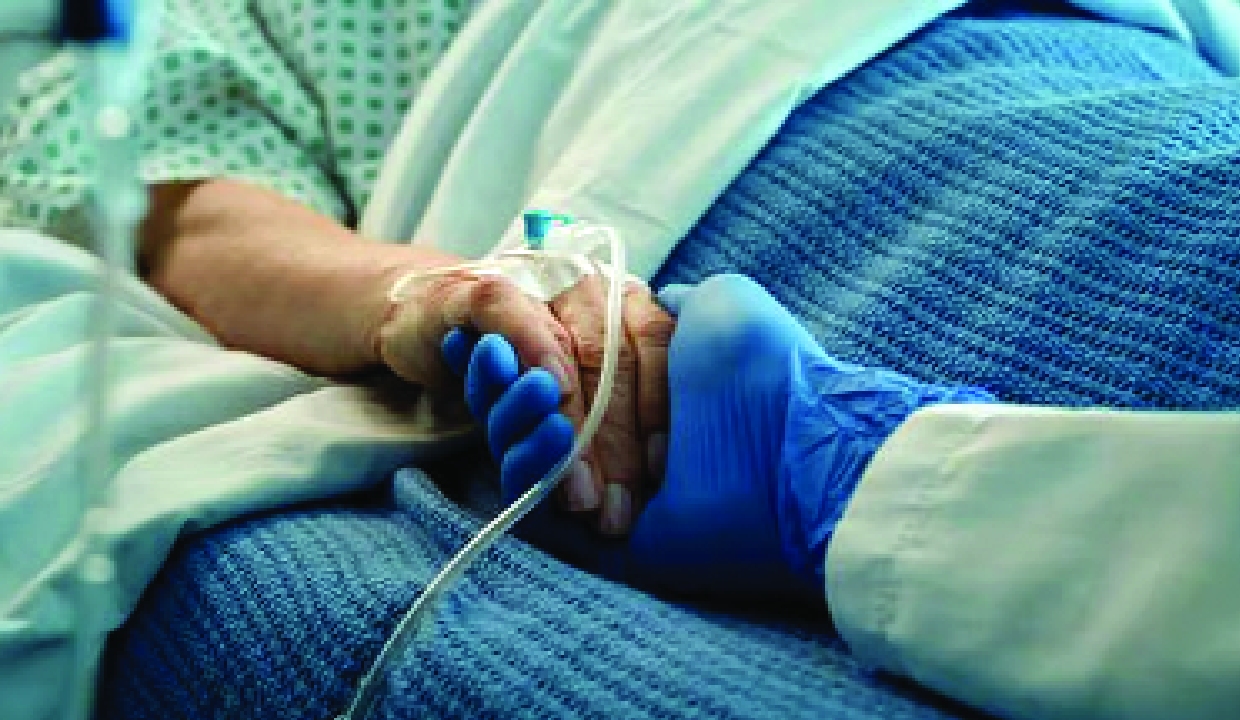
Goa has declared cancer a notifiable disease across the state, making it mandatory for healthcare providers or laboratories to report it to Government authorities when they diagnose it, officials said on Saturday. The notification, issued by the State Public Health Department on August 20, will pave the way for systematic surveillance of cancer cases and data-driven planning of prevention, screening and treatment programmes, they said.
Welcoming the decision, National Organisation for Tobacco Eradication (India) president Dr Shekhar Salkar called the move a “landmark and much-needed public health decision” that could strengthen cancer control in the State.
Under the notification, cancer cases are required to be reported preferably within seven days and, in any event, not later than one month from the date of diagnosis.
The reporting requirement covers Government and private hospitals, medical colleges, nursing homes, clinics, oncology and day-care centres, pathology and diagnostic laboratories, hospices, palliative care institutions, and health and cancer screening programmes.
The Non-Communicable Disease Cell of the Directorate of Health Services (DHS) has been designated as the nodal authority for the surveillance programme. The DHS has also been tasked with establishing or designating a State Cancer Registry or State Cancer Surveillance System for compilation, validation, analysis and monitoring of notified cases.
Salkar said a robust cancer surveillance mechanism would help the state understand the incidence and distribution of different cancers, identify populations that may be particularly affected and assess gaps in screening, diagnosis and treatment.
“Such information can support targeted screening programmes, strengthen early detection, improve referral pathways, guide allocation of healthcare resources and enable the Government to evaluate the impact of cancer-prevention initiatives,” he said.
The notification also contains provisions to protect patient confidentiality, with individual cancer-related information received through the reporting system to remain confidential and be used primarily for public health surveillance, programme planning, research and monitoring.
Salkar commended the state Government for the decision.
He said the notification should now be followed by strengthening the state cancer registry, ensuring seamless digital reporting from healthcare establishments and building the capacity of healthcare professionals to use the data for prevention, screening, early diagnosis, treatment and survivorship programmes.
“This notification has the potential to become a cornerstone of Goa’s comprehensive cancer-control strategy and can provide a model for other states to emulate,” Salkar said.