Gadkari dares E20 critics, claims no vehicle harmed, saves imports
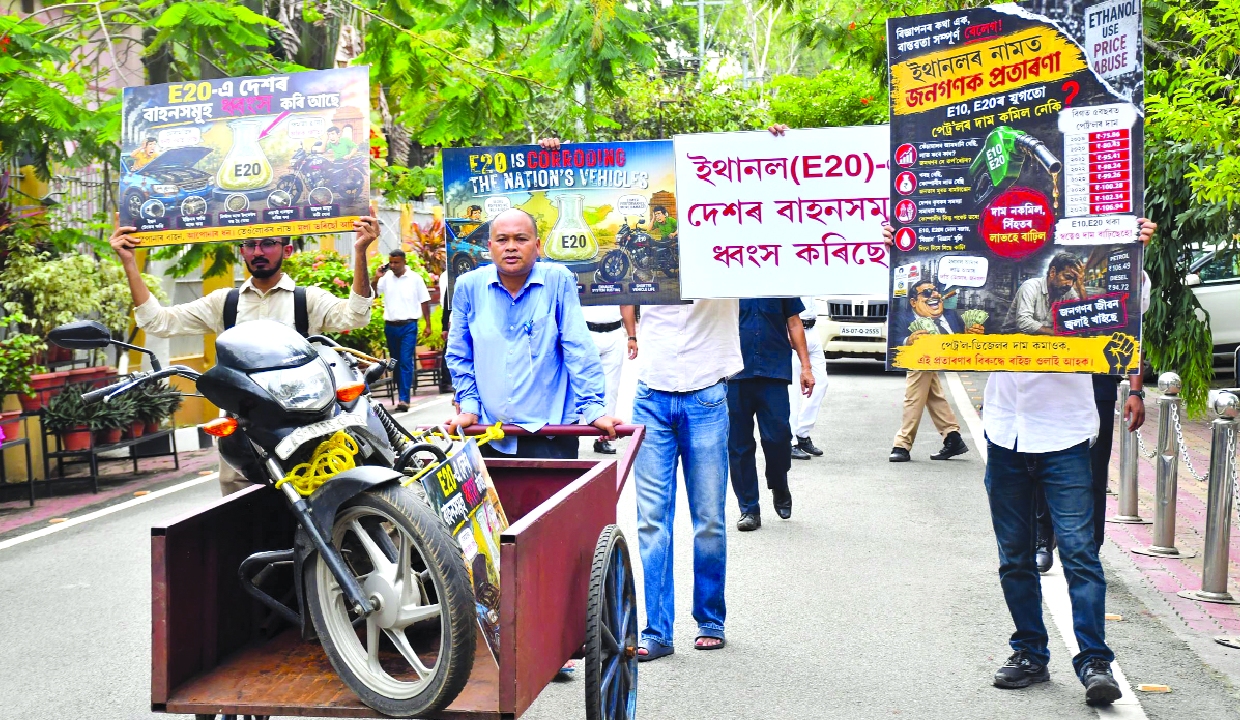
Union Minister Nitin Gadkari on Tuesday dared critics to identify a single car that has faced problems due to blended fuel following the public outrage against the Government’s mandate of E20 (20 per cent ethanol-blended) petrol sales and complaints about reduced fuel efficiency of vehicles.
“There is no case of any car facing issues due to E20 (20 per cent ethanol-blended) petrol. Has there been any car in the country that faced issues due to the use of E20 petrol? Just name one. False narratives are being spread about the roll-out of higher ethanol-blended petrol. These are paid campaigns,” the Union Minister said.
On allegations that companies owned by his family members are involved in ethanol production, and that is why Gadkari is pushing for the roll-out of higher ethanol blended petrol, the road transport and highways minister said his family members own sugar factories, and their companies are not dependent on ethanol production.
Addressing the Viksit Bharat Conclave in the Capital, Gadkari further said that India’s dependence on fossil fuels is both an economic burden — as Rs 22 lakh crore is spent annually on fuel imports — and an environmental hazard, making clean energy adoption crucial for the nation’s progress.
“When we decided to make ethanol from corn, the corn’s market price was Rs 1,200 per quintal, and the MSP was Rs 1,800 per quintal. After the decision, corn’s price went up to Rs 2,800 per quintal. Additional Rs 45,000 crore went into the pockets of farmers from Uttar Pradesh and Bihar,” he said.
The Ministry of Road Transport and Highways has proposed amendments to vehicle emission rules to widen the scope for higher ethanol blends and alternative fuels, paving the way for flex-fuel and pure bio-fuel vehicles across all vehicle categories.
The draft changes to the Central Motor Vehicles Rules, 1989 aim to provide for wider use of fuels, such as E85 (85 per cent ethanol with petrol) and E100 (which would allow vehicles to run on nearly pure ethanol), as well as B100 biodiesel and hydrogen-CNG combinations.