G7 meet: Rubio tries to sell US strategy to sceptical allies
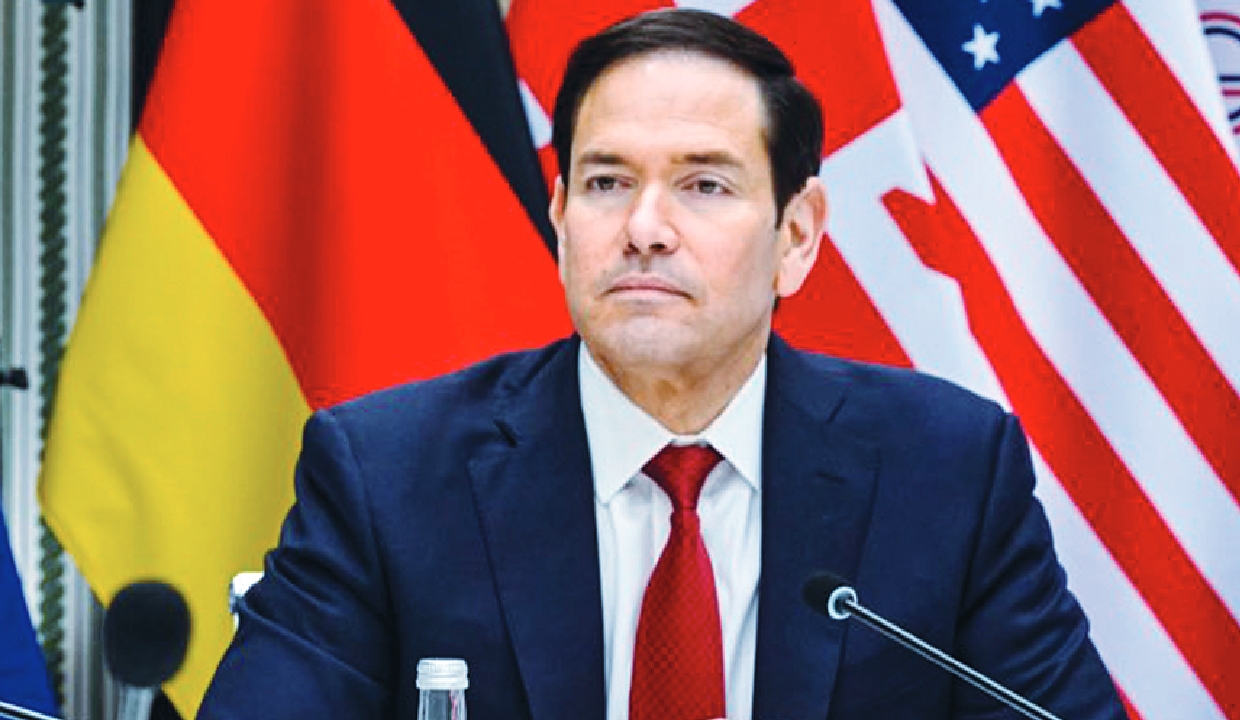
Group of Seven foreign ministers met in France on Friday to discuss the conflicts in West Asia, and between Russia and Ukraine, with deep divisions apparent over the US-Israel war with Iran following US President Donald Trump’s repeated complaints that US’ allies have ignored or rejected requests for help in confronting Iran’s retaliation, including the closure of the Strait of Hormuz to most of international shipping.
US Secretary of State Marco Rubio joined his counterparts from G7 nations only 24 hours after Trump’s latest volley of insults lobbed at NATO, as instability in oil markets persisted with the Iran war entering its fourth week, along with uncertainty over the status of potential negotiations to end the crisis.
Most of the US’s closest allies have greeted the Iran war with deep scepticism, sentiments that were on display as the G7 foreign ministers met at a historic 12th-century abbey in Vaux-de-Cernay, outside Paris, even as they urged a diplomatic solution to resolve the situation. As the diplomats gathered, France’s Minister of the Armed Forces, Catherine Vautrin, said the war in the Middle East “is not ours”, adding that France’s position is strictly defensive.
“The aim is truly this diplomatic approach, which is the only one that can guarantee a return to peace,” she said on Europe 1 and CNews. “Many countries are concerned, and it is absolutely essential that we find a solution.
British Foreign Secretary Yvette Cooper, meanwhile, said Britain also favoured a diplomatic path, acknowledging differences with the US. “We have taken the approach of supporting defensive action, but also we’ve taken a different approach on the offensive action that has taken place as part of this conflict,” she said.
Rubio has already faced difficulties in trying to sell the US strategy for the Iran conflict, but Trump’s vitriolic comments about NATO countries not stepping up to help the US and Israel during a Cabinet meeting on Thursday will likely make it an even tougher task.
Of the G7 nations — besides the US —Britain, Canada, France, Germany and Italy are members of the trans-Atlantic military alliance. Japan is the only one that is not. “We are very disappointed with NATO because NATO has done absolutely nothing,” Trump said, a sentiment echoed later by his top diplomat.
“Frankly, I think countries around the world, even those that are out there complaining about this a little bit, should actually be grateful that the United States has a president that’s willing to confront a threat like this,” Rubio said Thursday.
Rubio, who chatted briefly with Ukrainian Foreign Minister Andrii Sybiha, also still has work to do to smooth things over with allies like those in Europe that have faced criticism or outright threats from Trump and others in his Republican administration. Europe is still smarting over Trump’s earlier demands to take over Greenland from NATO ally Denmark and are concerned over US support to Ukraine in its war with Russia. The conflict in the Middle East has added another point of tension.
Asked by reporters about the reception he was expecting before boarding his flight to France, Rubio said he was looking forward to gathering with his G7 counterparts, asserting “we’re going to have great meetings”.
“I’m not there to make them happy,” he said. “I get along with all of them on a personal level, and we work with those governments very carefully, but the people I’m interested in making happy are the people of the United States. That’s who I work for. I don’t work for France or Germany or Japan.”
He later posted on X that he would be meeting “world leaders about the security concerns we share around the world and opportunities to address the situation in the Middle East and the Russia-Ukraine war”.
Trump’s complains over lack of support from allies
Trump has complained that he has not been able to rally support over the war on Iran, and that NATO and most other allies have rejected his calls to help secure the Strait Hormuz, where Iran’s chokehold has disrupted oil shipments and pushed up energy prices.