Boat with migrants capsizes off Djibouti; 9 dead, 45 missing
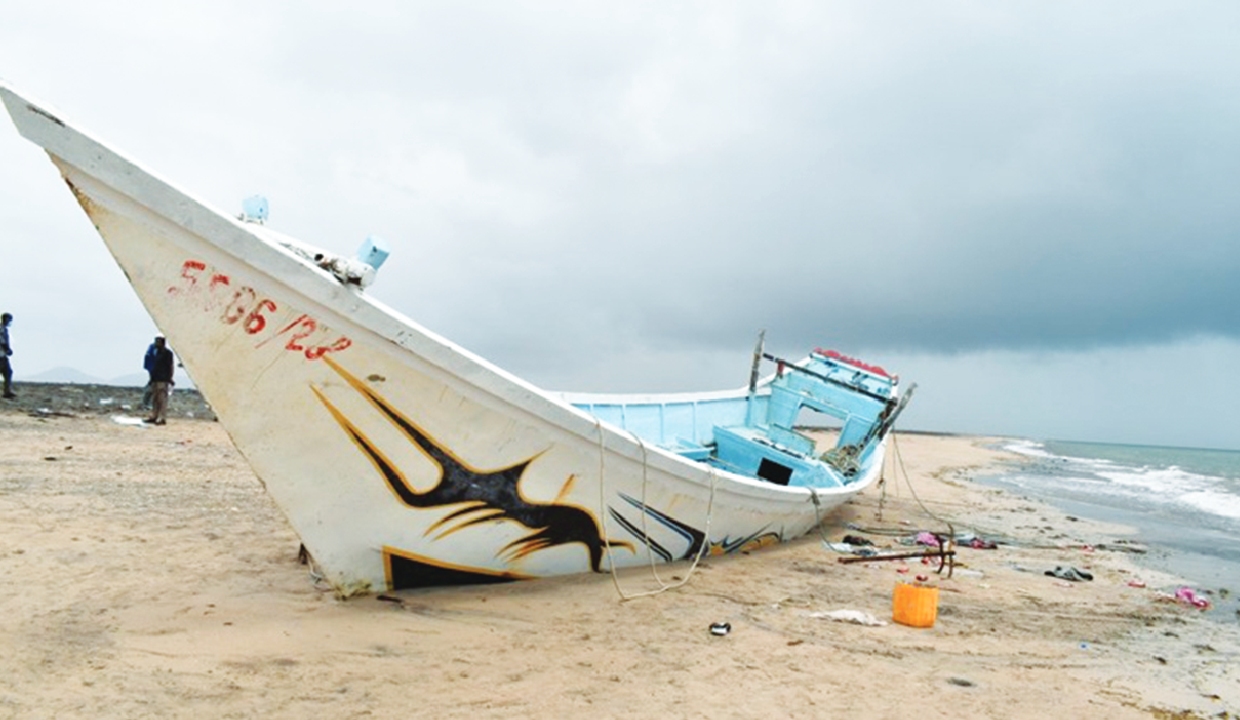
A boat packed with migrants capsized off the coast of Djibouti on the way to Yemen this week, with at least nine people killed and another 45 missing, the UN migration agency said on Friday.
The tragedy was the latest in a series of shipwrecks between the Horn of Africa and the Arabian Peninsula that have, over the past few years, killed several thousand African migrants fleeing conflict and poverty in hopes of reaching Gulf Arab countries.
The boat had left from the Djibouti port town of Obock with more than 300 people onboard and was trying to cross the Bab el-Mandeb Strait when it went down on Tuesday, the International Organisation for Migration (IOM) said.
The Bab el-Mandeb Strait and the Strait of Hormuz are on opposite sides of the Arabian Peninsula. Search continues for possible survivors, said Tanja Pacifico, IOM’s chief of mission in Djibouti.
“The sea is very rough, and there were also strong winds,” Pacifico told a regular UN press briefing in Geneva. “This route is known to be a very deadly one.”
She said testimonies from the survivors described “an extremely heavy load for the boat”.
The shipwreck was the first this year in the area, Pacifico said. Last year, more than 900 migrants died or went missing on the route, the highest toll on record on the strait, the IOM said. The passage typically lures tens of thousands of migrants from Africa “in search of safety and economic opportunities”, the agency said.
A search continues for possible survivors, said Tanja Pacifico, IOM’s chief of mission in Djibouti.
“The sea is very rough, and there were also strong winds,” Pacifico told a regular UN press briefing in Geneva by video. “This route is known to be a very deadly one.”
In response to growing needs and funding shortfalls, IOM calls for increased international support to strengthen search and rescue operations and expand safe migration pathways. IOM further urges donors and partners to scale up their financial support to Djibouti to sustain life-saving assistance and prevent further loss of life.