Full houses, global stories
The seventh edition of the Habitat International Film Festival 2026 is currently underway at the India Habitat Centre, drawing enthusiastic crowds of cinephiles, students, and critics from across the capital. The festival has once again turned Delhi into a vibrant hub of global cinema and cultural dialogue.
This year’s festival features an expansive line-up of 67 films from 18 countries, spanning award-winning contemporary cinema, restored classics, retrospectives, and emerging voices. The curatorial theme emphasises storytelling around identity, memory, and displacement, resonating strongly with audiences navigating a rapidly changing world.
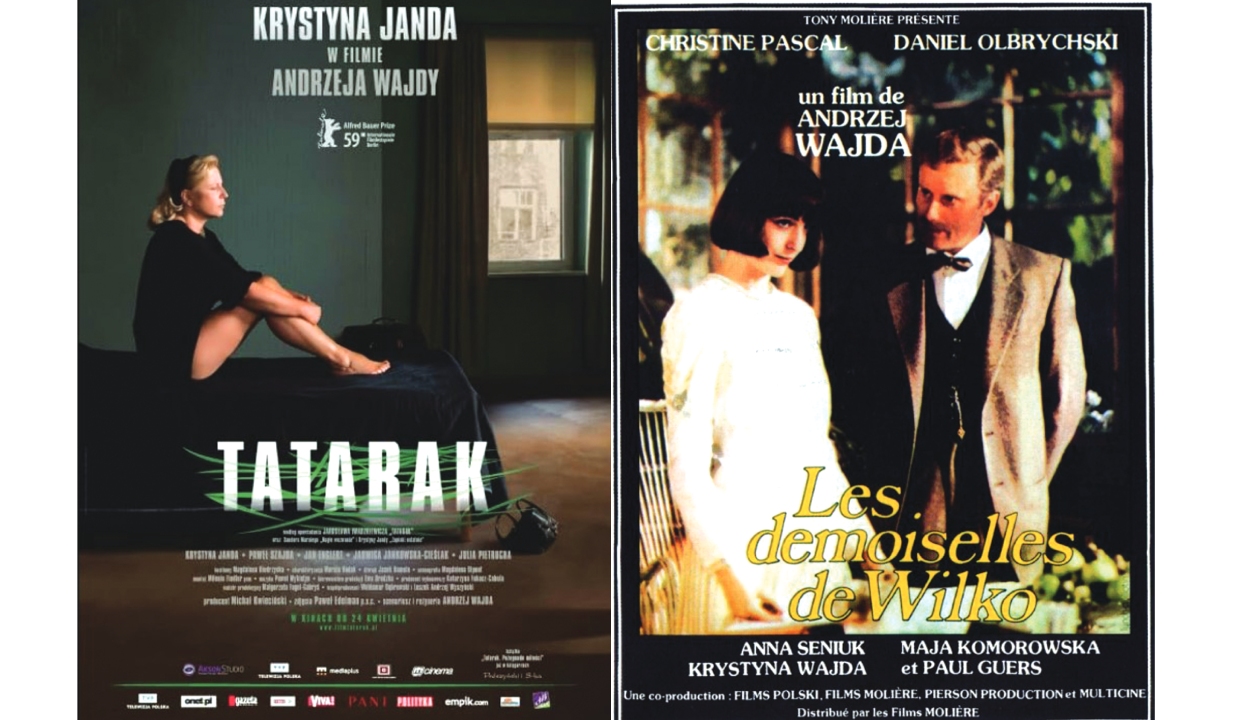
A major highlight of the festival is its focus on Hungarian cinema, with over 20 films showcasing the works of renowned filmmakers such as István Szabó and Zoltán Fábri. In addition, a special retrospective marks the birth centenary of legendary Polish director Andrzej Wajda, adding historical depth to the contemporary line-up.
Strong audience turnout and engagement
Festival venues, including the Stein Auditorium and other screening spaces within the Habitat Centre, have witnessed packed houses and long queues, particularly for evening screenings and critically acclaimed titles. With many screenings
offered on a first-come, first-served basis, attendees have been arriving well in advance to secure seats-reflecting the festival’s growing popularity among Delhi’s film-loving community.
Audience response has been notably diverse. Young viewers and film students have been drawn to experimental and international entries, while older audiences have shown keen interest in retrospectives and restored classics. Conversations spilling out of screening halls-ranging from cinematic techniques to socio-political themes-have become a defining feature of the festival atmosphere.
HIFF 2026 continues to position itself as more than just a film showcase. With nearly 24 films directed by women, the festival signals a conscious push towards inclusivity and representation in global cinema. It also provides a platform for lesser-known filmmakers, offering Delhi audiences access to stories that rarely reach mainstream theatres.
Panel discussions, informal interactions, and post-screening conversations have further enriched the experience, turning the festival into a space for dialogue between filmmakers and viewers.
Cinema as cultural bridge
Organisers describe the festival as a celebration of cinema’s ability to connect cultures. From European arthouse films to Asian narratives, the programming reflects a deliberate attempt to bring varied cinematic traditions under one roof. For many attendees, the festival offers a rare opportunity to experience world cinema beyond streaming platforms — on the big screen, in a collective setting.
The road ahead
As the festival approaches its closing days, anticipation remains high for the final screenings and the closing film presentation.
More importantly, the strong public response underscores Delhi’s enduring appetite for meaningful, global cinema.
In an era dominated by digital viewing, the success of the Habitat International Film Festival 2026 serves as a reminder that the communal experience of cinema is far from fading — it is evolving and thriving.
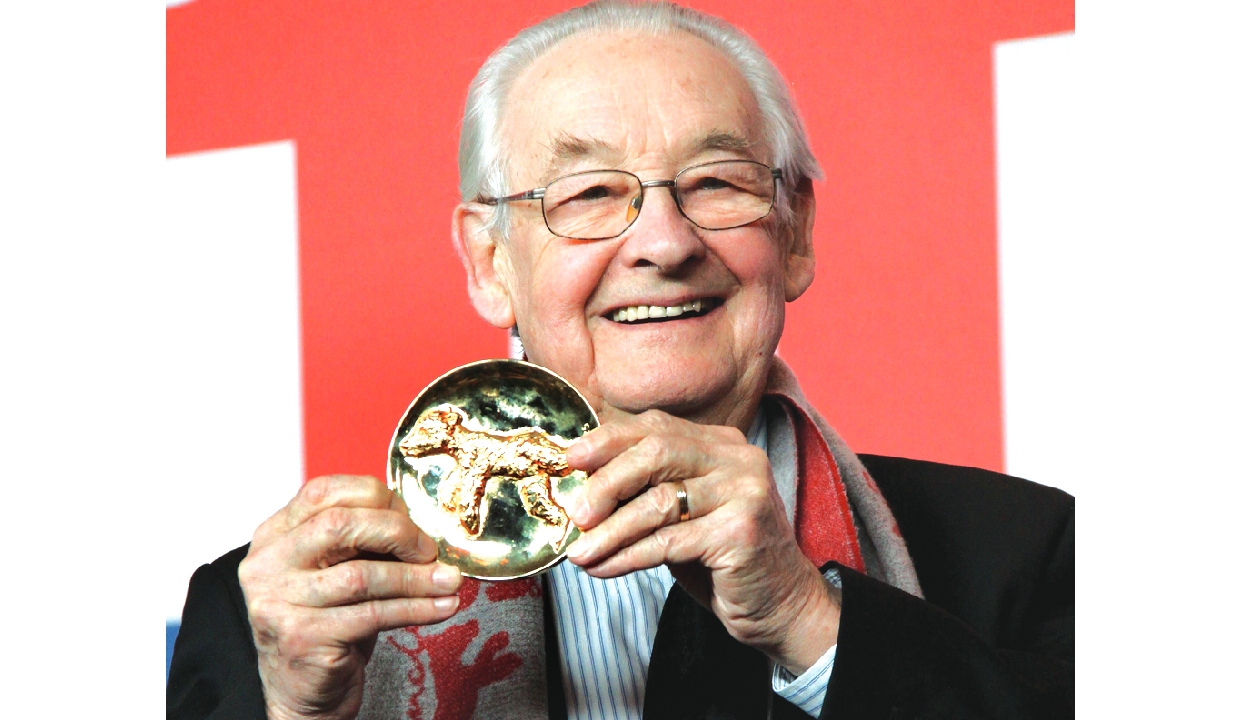
The ongoing Habitat International Film Festival in New Delhi has turned the spotlight on one of cinema’s most towering figures-Andrzej Wajda-as it celebrates his birth centenary with a special retrospective of his works. Widely regarded as the conscience of Polish cinema, Wajda’s films are not just artistic milestones but also powerful meditations on history, politics, and human resilience.