Four vying to be next UN chief try to set themselves apart as race heats up
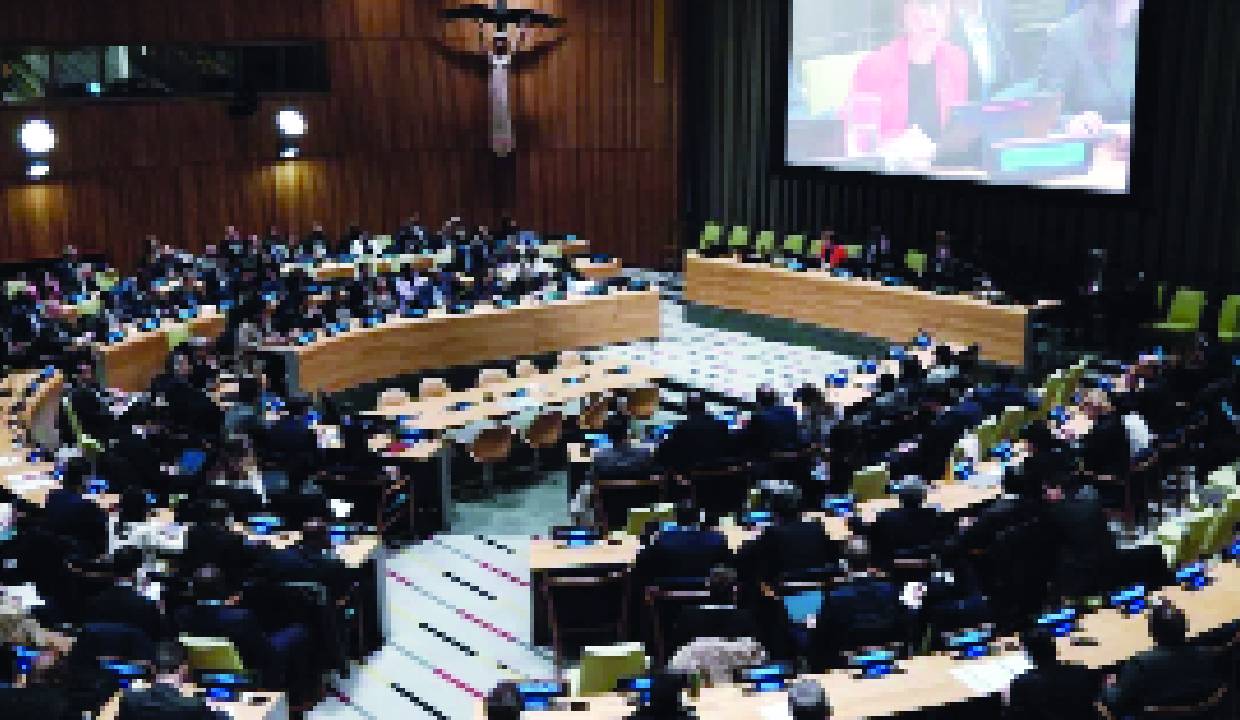
Four candidates vying to lead the United Nations have spent hours being grilled about their views on issues from restoring global peace to ending escalating poverty — in what the UN General Assembly president called one of the toughest job interviews in the world.
There was no clear victor after Chile’s Michelle Bachelet, Argentina’s Rafael Grossi, Costa Rica’s Rebeca Grynspan and Senegal’s Macky Sall fielded questions from UN ambassadors this past week.
Plus, other candidates could wait until after the initial auditions to jump into the race to succeed UN Secretary-General Antonio Guterres on January 1.
“This role matters,” said General Assembly President Annalena Baerbock, who presided over the question-and-answer sessions.
“The secretary-general is not only the head of the UN and the world’s top diplomat — she or he also represents all 8 billion of us, defending the UN Charter and leading on peace, development, human rights.”
How the candidates view the UN’s work All four said they would focus on those three pillars of the UN, especially its founding role following World War II of ensuring international peace and security and preventing conflicts — which it has not been able to do in Iran, Gaza, Ukraine, Sudan and other global hot spots because of wide divisions.
They also pledged to spur reforms to the more than 80-year-old institution.
Bachelet, 74, a two-time president of Chile and former UN human rights chief, told the ambassadors that the UN must try to avoid crises and that she has the right leadership skills.
“I stand before you to reclaim the urgent need for dialogue,” she said, stressing that the UN must anticipate, prevent and unite. The next secretary-general also needs to be “physically present in the field” to help tackle problems, she said.
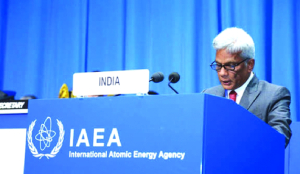
Grossi, 65, a former Argentine diplomat who has been director-general of the International Atomic Energy Agency since 2019, said that with the world so polarized, “there are enormous, huge doubts about our institution” in solving global problems.
Unless the UN has effective leadership and support from all countries, it won’t regain a key place at the table, he said, “so we have to concentrate on that.”
He also said the next UN chief must visit global hot spots.
Grynspan, 65, a former Costa Rican vice president who has been secretary-general of the UN trade and development agency since 2021, said she knows how to stand up for principles while under pressure.
As secretary-general, she said she would “continue to be the moral voice and the impartial voice that the secretary-general has to be.”
The UN has become “a risk-conservative organisation,” she warned. “We need to take more risks — and I am ready to fail and try again.”
Sall, 64, who was president of Senegal for 12 years, said the UN needs to “regain its place at the global table”.
If chosen, he said he would be “a bridge-builder” and that his first priority would be “to contribute to restoring trust, to calm tensions, reduce fragmentation and breathe renewed hope into our collective action.”
Some candidates are facing pushback
Bachelet, a medical doctor, responded to a letter from 28 Republican US lawmakers calling her a “pro-abortion zealot” and asking Secretary of State Marco Rubio to veto her, saying the issue is controversial and that she respects every country’s right to decide.