Events that shaped India and the World in 2025
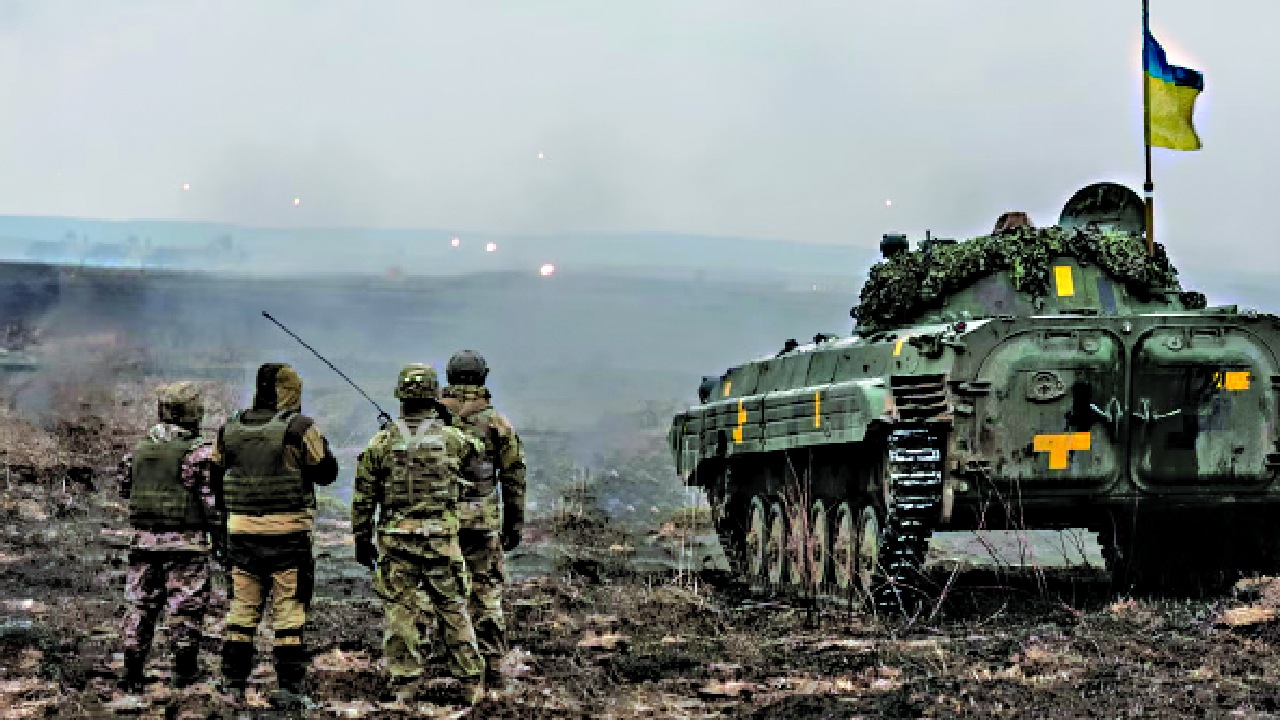
The year 2025 emerged as a defining moment for both India and the world community, marked by political shifts, technological leaps, climate urgency, and evolving geopolitical equations.
In India, 2025 was significant for its focus on governance, economic recalibration, and social transformation. Policy debates around employment, welfare delivery, and infrastructure dominated the national discourse. Legislative reforms aimed at streamlining public services and boosting manufacturing under the broader vision of a self-reliant India gained momentum.
At the same time, judicial interventions and public interest debates highlighted the importance of constitutional values, accountability, and institutional balance. Economically, India remained one of the fastest-growing major economies.
Globally, geopolitics in 2025 was shaped by ongoing conflicts, fragile ceasefires, and realignments of power. Wars and tensions in parts of Europe and the Middle East continued to affect global energy markets, trade routes, and diplomatic priorities. Multilateral institutions faced renewed pressure to adapt to a more multipolar world order. In essence, 2025 was a year of transition: a period when India consolidated its aspirations on the global stage, and the world grappled with profound change.
Geopolitics & International Relations
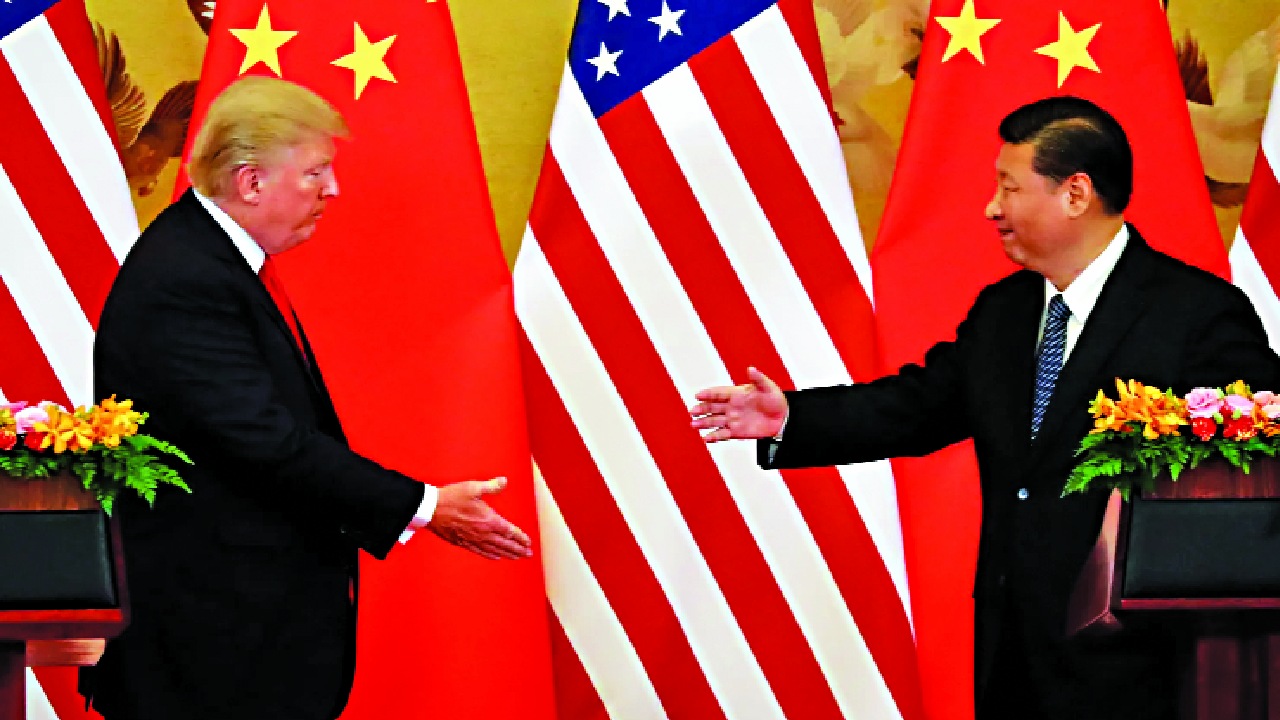
US-China economic tensions intensified, with steep tariffs and export controls reshaping global supply chains and trade competition.
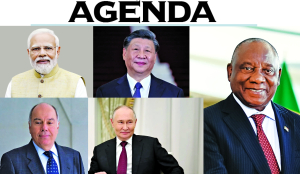
G20 Summit in Johannesburg hosted on African soil for the first time, highlighting equity, sustainability, and development amid diplomatic tensions.
The Hague NATO Summit emphasised increased defence spending commitments among member states.
Ongoing conflicts (eg, Ukraine, Middle East hotspots) continued to drive global insecurity and humanitarian strain.
Gen Z uprising in Bangladesh: Sheikh Hasina was ousted and Muhammad Yunus became Chief Adviser of Bangladesh overseeing the interim government as country spiraled into chaos and confusion.
Gen Z uprising in Nepal: In September a massive youth-led movement against deep-rooted corruption, unemployment, and government censorship, triggered by a ban on social media turned
violent, forcing Prime Minister KP Sharma Oli to resign, and leading to an interim government headed by Sushila Karki.
Economy & Markets
Global energy markets remained unusually stable despite geopolitical turmoil, reflecting strong production and supply resilience.
Precious metals like gold and silver surged, driven by geopolitical uncertainty and market expectations.
Trump returns to White House, in his second terms, wages war against immigrants and slaps reciprocal tariffs on the countries trading with the US including India and China.
Climate & Environment
2025 ranked among the hottest years on record, with heatwaves and extreme weather intensifying climate concern.
UN climate talks produced mixed outcomes, with adaptation gains but weak fossil fuel phase out commitments.
Health & Global Cooperation
The 78th World Health Assembly convened under ‘One World for Health,’ reinforcing global health cooperation frameworks.
Technology & Society
n Rapid advances in AI and digital technologies increasingly influenced geopolitics, economics, and labour markets worldwide.
Controversies
Nuclear Power Bill : In late 2025, India's Parliament passed a landmark bill allowing private companies into the civil nuclear energy sector, a major shift from decades of state monopoly. Supporters argue it will accelerate clean energy, but critics raised concerns about safety and liability protections for citizens.
Judicial Accountability and Scandal: The Indian judiciary saw rare internal controversy when the Chief Justice of India launched an inquiry into undisclosed cash found at a Delhi High Court judge's residence.
Labour Law Reforms Divide Opinion: India's major labour code overhaul, intended to standardise worker benefits and expand social security, drew praise from employers and concern from trade unions who feared rights dilution - sparking nationwide debate.
Elections
Two key assembly elections
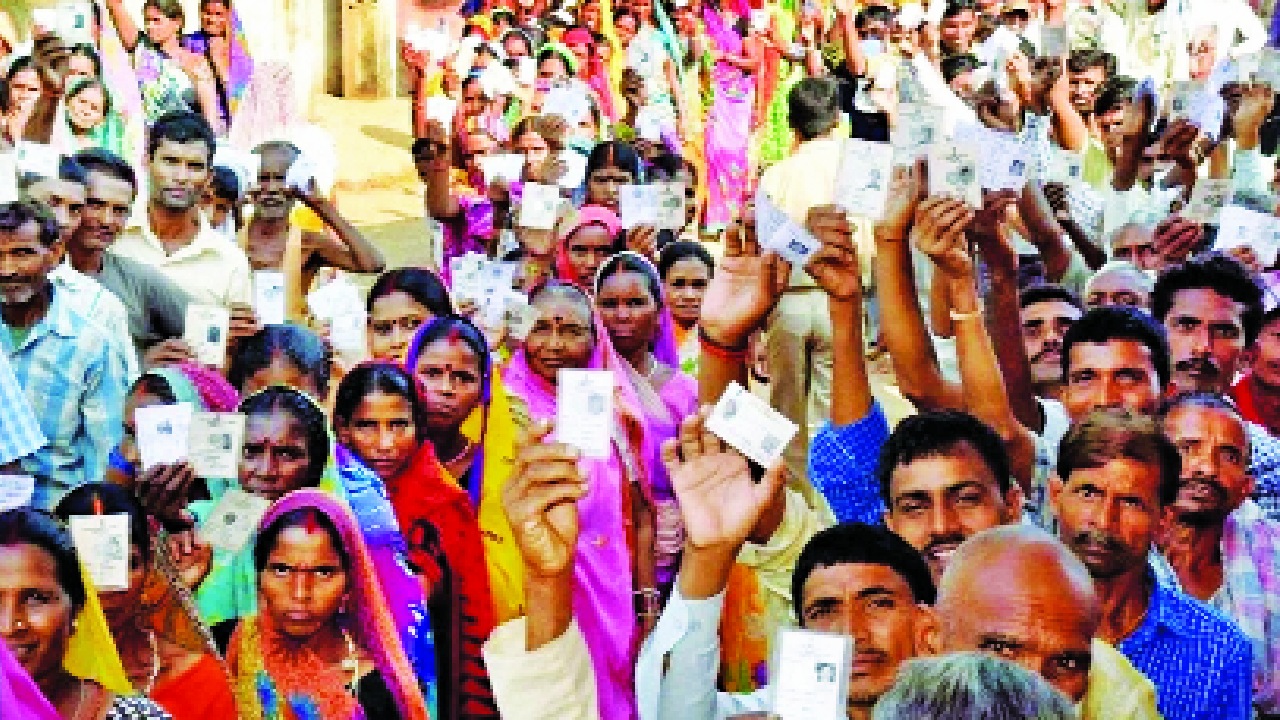
One of the most noteworthy events was the Bihar Legislative Assembly election held in November 2025. The National Democratic Alliance (NDA), led by the BJP and its key partner, Janata Dal (United), secured a landslide victory by winning 202 of the 243 seats. This overwhelming win allowed incumbent Chief Minister Nitish Kumar to take oath for his tenth term.
Earlier in the year, the Delhi Assembly elections produced a remarkable political shift. The BJP returned to power in the national capital after 27 years, securing 48 out of 70 seats, while the incumbent Aam Aadmi Party (AAP) was reduced to 22 seats. Prominent AAP leaders-including national convenor Arvind Kejriwal-lost key constituencies.
A year of conflicts and wars
Two major conflicts: The contemporary geopolitics is marked by a series of protracted and often interconnected conflicts that continue to shape international relations, humanitarian conditions, and diplomacy. One of the most consequential conflicts remains the war between Russia and Ukraine. What began as a regional crisis has evolved into a defining geopolitical confrontation, pitting Russia against Ukraine with strong military, financial, and diplomatic backing for Kyiv from Western nations.
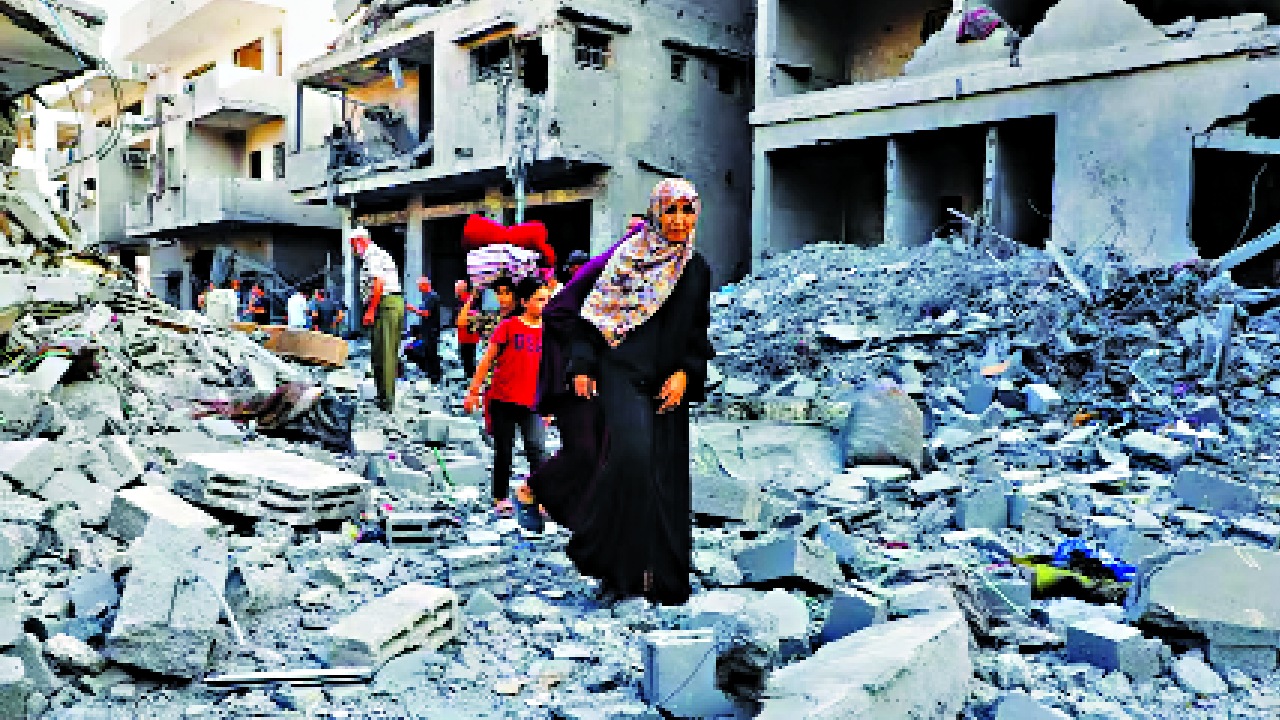
In the Middle East, the Israel-Palestine conflict continues to erupt in cycles of intense violence. The war in Gaza has drawn global attention due to the scale of
civilian casualties, humanitarian distress, and regional spillover risks involving Lebanon, Iran, and other regional actors. Africa is witnessing some of the world's most devastating yet underreported conflicts.