Eternal love finds voice
Love, loss, and longing collide as mythology transforms into deeply relatable human drama, says SAKSHI PRIYA
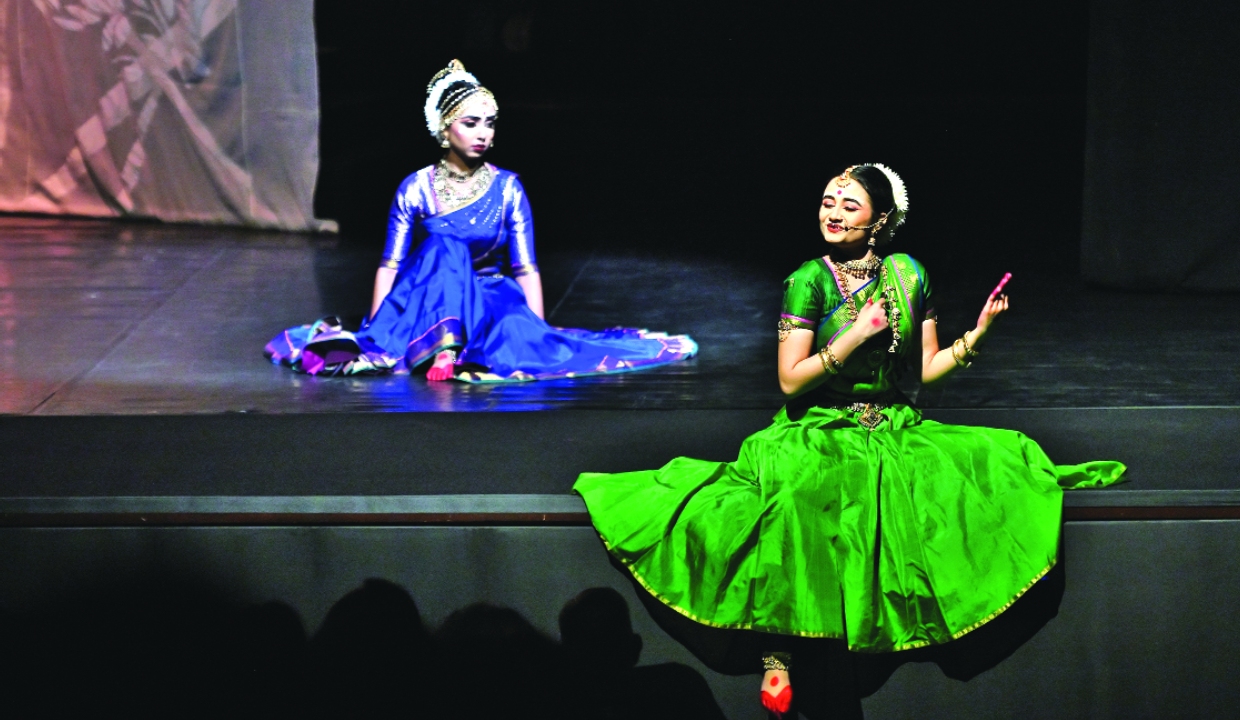
Navigating the ancient complexities of divine devotion requires a theatrical touch that borders on the miraculous, especially when tasked with resurrecting a twelfth-century Sanskrit epic for a contemporary crowd without losing its essential spiritual weight. Shivam Sahni’s dance-theatre piece, Gita Govinda – Where There is Radha, There is Hari, manages to capture this elusive magic by entirely enveloping the viewer in a near-complete chronological narrative that modern stages seldom dare to attempt.
The lead actors took on these mythic roles with a raw, psychological edge that grounded the whole romance. Shimran Zaman brought Radha’s desperate yearning to life with a completely honest physicality, making a centuries-old heartbreak feel incredibly real and immediate. Balancing out her chaotic grief, Shivam Sahni played Krishna with a quiet, effortless pull that anchored the entire show, whilst Kenisha Tandwalia was the perfect steadying presence as Sakhi, guiding the audience through the messy emotional wreckage of love and separation.
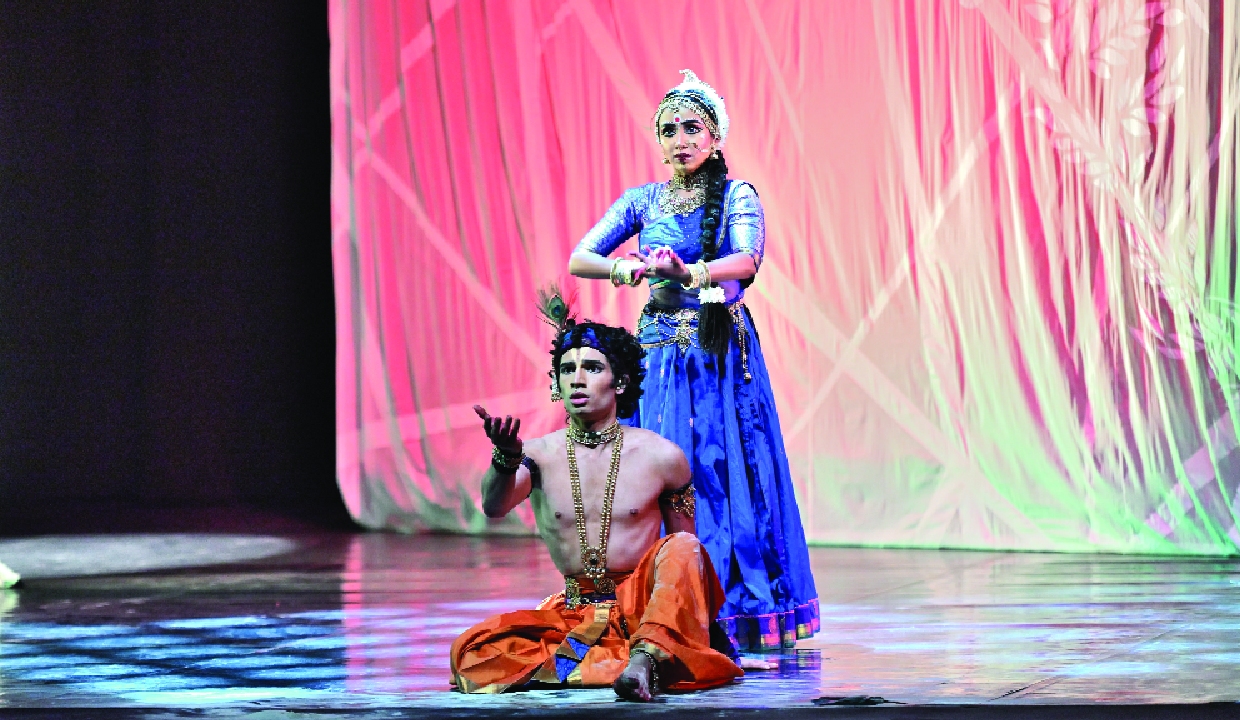
Classical texts often create a massive language barrier for everyday theatre-goers, but the direction completely fixed that by mixing seventeen traditional ashtapadis with sharp English dialogue. This structural gamble pulled everyone straight into the heart of the story. It gave the spiritual weight of Jayadeva’s original text room to breathe, whilst making sure the emotional stakes were obvious to the whole room.
The raw vulnerability from the cast found strong support behind the scenes. Shubha Mudgal’s dense music and Sai Shravanam’s sharp sound design gave the performance a steady, driving rhythm. Instead of relying on empty spectacle, the visuals stayed earthy and real. Sandhya Raman’s costumes and the detailed jewellery from Art Karat added a heavy, grounded elegance. It all worked naturally with Nilava Sen’s choreography, turning unspoken grief into fierce, deliberate footwork. When the stage finally went black, the crowd was on its feet immediately. It showed that if you ditch the usual theatre gimmicks and focus purely on human connection, this old romance still hits incredibly hard today.
Sahni’s raw, grounded staging proves Jayadeva’s ancient romance still hits a very real modern nerve