‘Era of randomly scheduling bilaterals over, reinvention needed in Tests, ODIs’

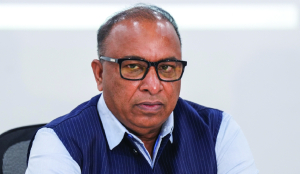
The era of “randomly” scheduling bilateral series is over but the much-debated ODI format can continue to survive and thrive with its place “inextricably” linked to the World Cup, International Cricket Council (ICC) CEO Sanjog Gupta has asserted in an interview to PTI.
Gupta, a leading figure in the business of sport, had joined the ICC in July last year. He shared his thoughts on the Test and one-day formats at a time when their future has been constantly debated in the age of mushrooming T20 leagues.
“The era of randomly scheduled bilateral series has to come to an end, because countries will not be able to sustain cricket without context, culture, competition and competitiveness, which require significant investment of resources, both financial and non-financial,” Gupta said.
“It’s important to stay focused on the four levers which drive attention and affiliation -- context, culture, competition and competitiveness -- and ODIs can continue not just to survive, but thrive.
“There is a place for the format in the product portfolio, which is inextricably linked to men’s and women’s ICC Cricket World Cups. We need to look at what we want the format to stand for and how we want it to evolve, including the expanse of participation,” he noted.
Bilateral cricket is decided exclusively by the member boards without ICC’s intervention. The world body only handles the scheduling of multi-national competitions like the World Cups and the World Test Championship. The Boards retain the sponsorship and media rights of bilateral engagements. As things stand, only the big three — India, England and Australia — can afford to play Tests while the other full members are struggling to monetise the longest format.