Engineering for a Safer India: Associate Professor Dr. Attila László Joó on Earthquake Risk, Structural Resilience and BME
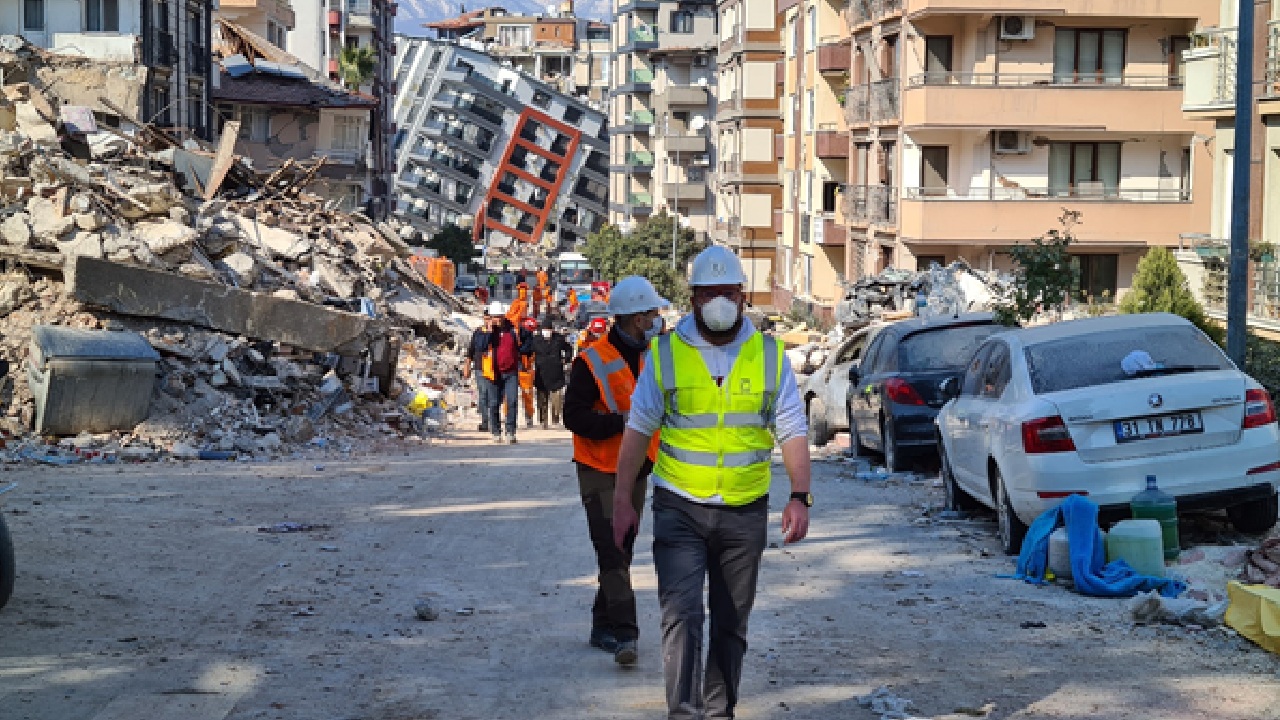
With more than half of India exposed to moderate or high seismic hazard, the quality of engineering education has direct implications for public safety, infrastructure resilience, and long-term urban development. In this interview, Dr. Attila László Joó, Associate Professor of the Budapest University of Technology and Economics, explains how earthquake engineering links research, field experience, and teaching, and why this knowledge can be highly relevant for Indian students preparing to work on safer buildings and infrastructure at home.
Earthquake risk is a major concern in India today. From your perspective as a structural engineer, how do you interpret this challenge?
India’s situation is well understood in engineering terms. When more than half of a country’s territory is exposed to moderate or high seismic hazard, the key issue is not whether earthquakes will occur, but how prepared the built environment is to withstand them. The consequences of past events, such as Latur or Bhuj, show that structural vulnerability, rather than the earthquake itself, determines the scale of human and economic loss. For engineers, this means focusing on realistic, implementable solutions: improving design standards, strengthening existing buildings, and ensuring that infrastructure remains operational during and after seismic events. These are challenges we also address in Europe and in other seismic regions as well.
Your work connects academic research with disaster response through your role in the HUNOR, Hungarian Heavy National Urban Search and Rescue Team. How does this dual perspective shape your approach?
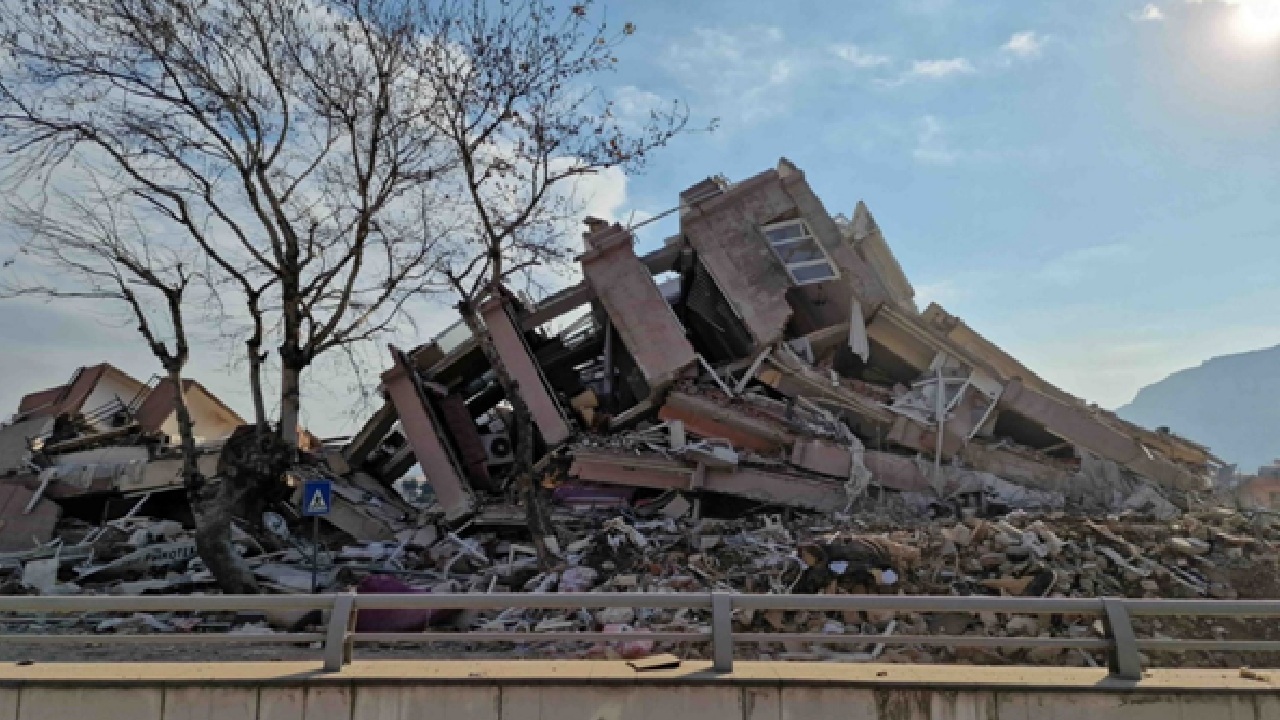
It provides a direct link between theory and reality. In academic research, we study structural behaviour through numerical simulations and laboratory experiments. We analyse how materials and structural systems respond to dynamic loads, including earthquakes. However, field experience with the HUNOR heavy urban search and rescue team adds another dimension. During deployments, we see how buildings actually fail, how collapse mechanisms develop, and what are the conditions that rescuers have to face. This knowledge feeds back into both research and teaching. At BME, we emphasize this connection. Students are introduced to analytical methods, real case studies, damage patterns, and post-earthquake assessments as well. This helps them understand the practical implications of their design decisions.
What kind of knowledge and skills do civil engineering students gain at BME in the field of earthquake engineering?
Students receive a strong foundation in structural mechanics, structural dynamics, and seismic analysis. They learn how to model buildings, how to design according to international standards, and how to assess existing structures. At the same time, education is closely linked to ongoing research and professional practice. We integrate case studies from real earthquakes, experimental results, and examples from engineering projects. This approach ensures that students understand both the theoretical principles and their practical application. For those who continue at master’s or doctoral level, there are opportunities to specialise further in areas such as seismic design, bridge engineering, or construction information technology engineering.
How relevant is this knowledge for students coming from India?
Highly relevant. The fundamental behaviour of structures under seismic loads is universal. Whether we analyse a reinforced concrete frame in Central Europe or in India, the governing physical principles are the same. What differs are local construction practices, materials, and regulatory frameworks. Students who study at BME gain a deep understanding of the underlying engineering principles. This allows them to adapt their knowledge to Indian standards and conditions when they return home. In that sense, education here does not replace local expertise, but strengthens it. Graduates are able to contribute to safer building design, retrofitting strategies, and infrastructure development in their home environments.
BME has a long tradition in engineering education. How does this translate into its current international position?
With more than two centuries of continuous operation, BME has developed a stable academic foundation combined with an openness to innovation. The university is integrated into European research and education networks, and it maintains active collaborations with international partners. One important framework is the EELISA European Engineering University alliance, which connects leading engineering institutions across Europe. Through such networks, students can participate in joint projects, mobility programmes, and collaborative research initiatives. For international students, including those from India, this means access not only to BME’s expertise, but also to a broader European academic ecosystem.
How does research at BME connect to real-world engineering challenges?
Research at BME is closely aligned with practical needs. In earthquake engineering, this includes improving design methods, developing new modelling approaches, and contributing to standardisation processes in Europe. We also work on assessing and strengthening existing structures, which is particularly important in regions with older building stock. In addition, collaboration with disaster response teams and engineering organisations ensures that research findings are observed in real conditions. This integration of research and practice is a defining characteristic of the university.
What would you say to Indian students and their families who are considering studying civil engineering abroad?
Choosing a university is a long-term decision. It is important to look for an institution that provides solid theoretical knowledge and practical relevance, as well as an international perspective. At BME, students receive an education that prepares them for complex engineering tasks in a global context. They study in English, work in an international environment, and gain experience that is applicable both in Europe and in their home countries. For students from India, this means the opportunity to acquire knowledge that can later be used to address real challenges at home, including earthquake resilience and infrastructure development, as I mentioned earlier.
Looking ahead, what role can the next generation of engineers play in reducing earthquake risk?
A decisive one. Engineering knowledge has already significantly reduced risks in many parts of the world, but there is still much to be done, especially in rapidly urbanising regions. Future engineers will need to combine technical expertise with responsibility. They will design safer buildings, improve infrastructure systems, and contribute to better planning and regulation. Education plays a key role in this process. By equipping students with the right knowledge and mindset, universities can contribute directly to safer and more resilient societies.