DJB to fix faulty bills with city-wide e-KYC drive
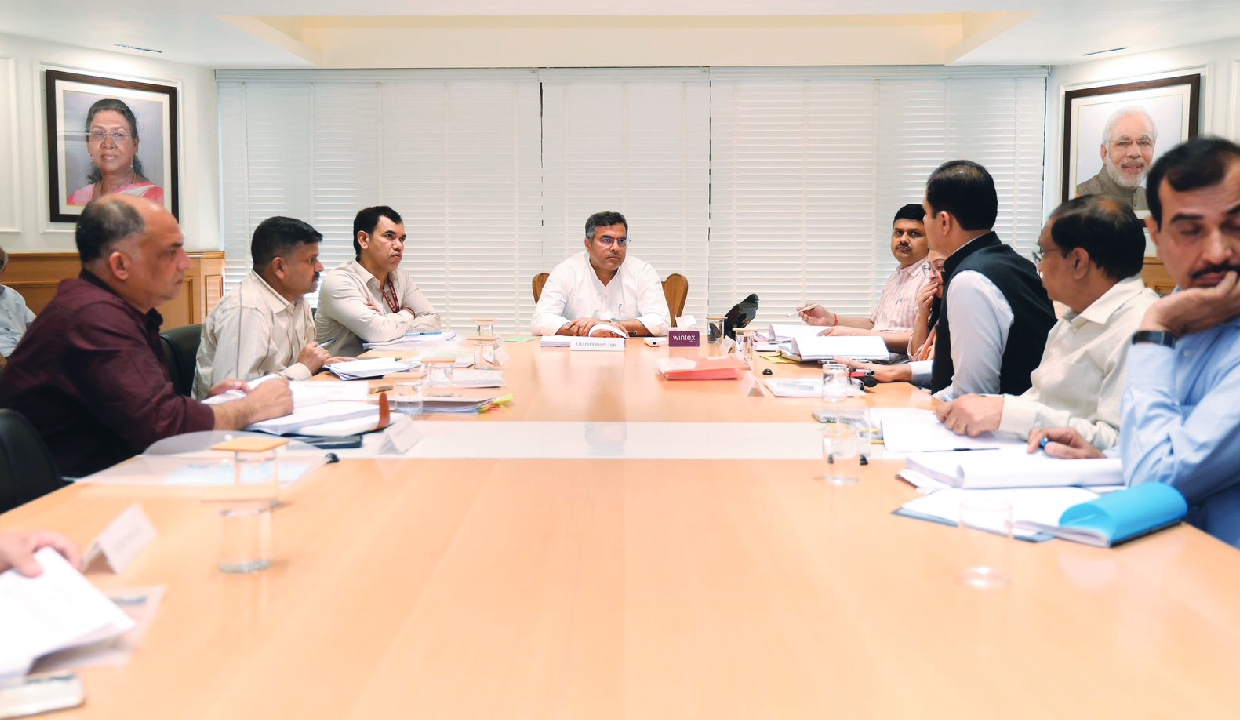
The Delhi Jal Board (DJB) on Thursday approved a series of ground-level measures to fix faulty water billing, expand sewer connections in underserved areas, and reduce pollution flowing into the Yamuna, directly targeting long-standing issues faced by residents. Chaired by Water Minister Parvesh Sahib Singh, the Board cleared a city-wide e-KYC and digital database update drive for nearly 35 lakh consumers, alongside major sewer projects in Kirari and new wastewater treatment measures.
Officials said the decisions respond to repeated complaints about inflated bills, non-functional meters, missing bills, and a lack of sewer infrastructure in several colonies. To address billing problems, the DJB will carry out a door-to-door e-KYC verification exercise at a cost of Rs 60 crore. The Board will use technology-enabled meter readings with photo capture, GPS tagging, and proof of delivery for bills to improve accuracy and accountability.
Singh said billing errors had become a daily concern for residents. "People want to pay their water bills. The problem starts when they receive inflated bills, when meters don’t work, or when bills don’t reach them on time," he said. "We are fixing these gaps at the ground level."
He added that the exercise aims to rebuild trust in the system. The DJB expects to create verified digital records for all registered consumers within six months, which officials say will reduce disputes and improve service delivery. In a parallel move, the Board approved large-scale House Service Sewer Connections (HSSC) in Kirari and nearby areas, where residents have struggled for years without proper sanitation infrastructure.
The project will cover three major catchments. In Pratap Vihar, it will benefit around 4.30 lakh residents across 72 colonies. In Prem Nagar, it will cover 1.45 lakh residents in 30 colonies. In Bhagya Vihar and its surrounding areas, including three villages, the service will extend to approximately 1.5 lakh residents. Officials stated that the project will replace unsafe and unhygienic arrangements, thereby improving living conditions in these areas. Many households will receive their first sewer connections.
The DJB also cleared projects aimed at reducing pollution in the Yamuna by treating waste before it enters the river. The Board approved a Rs 71.12 crore project for in-situ treatment of wastewater in the Delhi Gate drain. It will treat sewage at the source and prevent untreated discharge into the river. The DJB will also revive the pondage area upstream of the Wazirabad barrage to improve water quality and increase storage capacity.
Officials said these steps form part of a broader plan to clean the Yamuna by focusing on drains and untreated waste flows. The Board’s decisions mark a shift towards addressing everyday civic problems that directly affect residents. From billing disputes to lack of sewer access, the measures aim to close long-pending gaps in basic services.