Did you know?
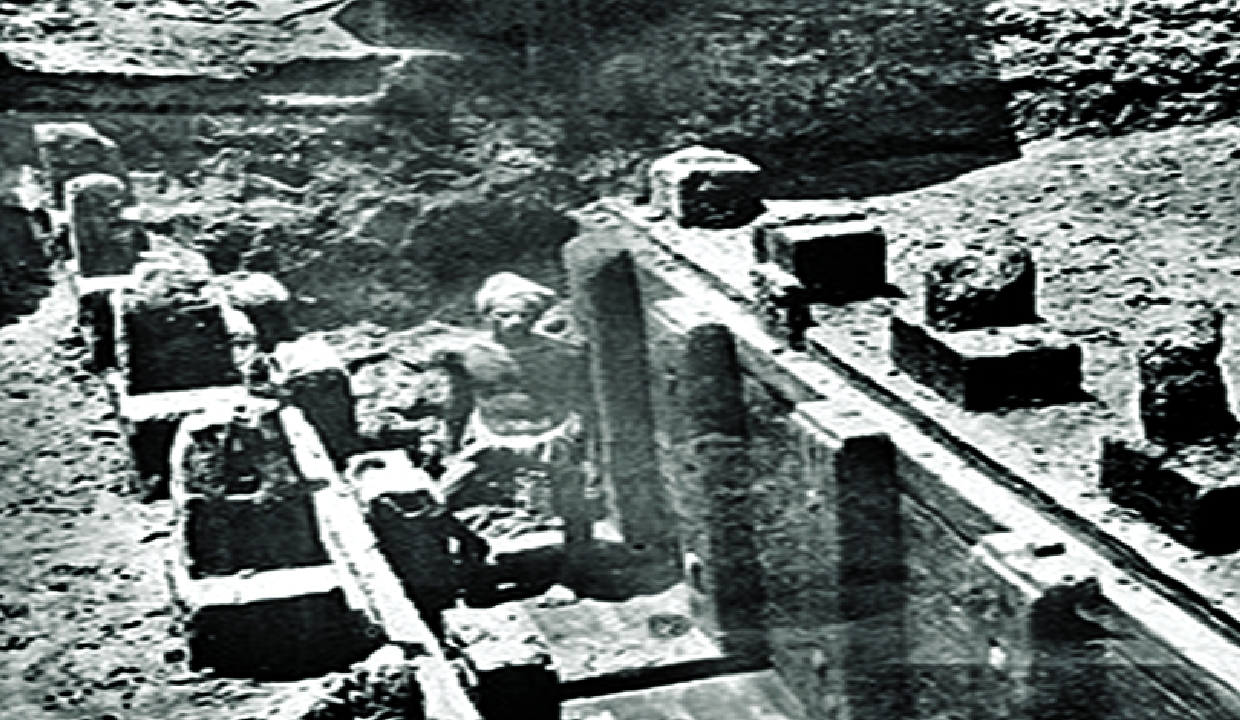
Ancient Pataliputra was one of the best-defended cities of the ancient world.
Pataliputra, the capital of the Mauryan Empire (320-180 BCE) under Chandragupta Maurya and Ashoka, possessed one of the most sophisticated urban defence systems of the ancient world. The Greek ambassador Megasthenes described the city as being protected by a massive wooden palisade reinforced with 64 gates and 570 towers, along with a broad and deep moat surrounding the city. Strabo in his ‘Geographia’ adds that the city walls were made of wood. Archaeological excavations at Bulandi Bagh in modern Patna have uncovered remains of these wooden fortifications, including reinforcing wooden trusses, lending support to historical accounts.
The city's location itself formed part of its defence strategy. Situated near the confluence of major rivers, including the Ganga and Son, Pataliputra used waterways as natural protective barriers while also supporting trade, communication, and administration. The moat served both defensive and drainage functions, reflecting remarkable urban planning.
Pataliputra demonstrates that security is strongest when military defences, geography, infrastructure, and urban planning work together. More than 2,000 years ago, India's imperial capital had already integrated surveillance, fortification, mobility, and water management into a single defensive system.