DFS deputy chief sheds light on Delhi’s growing fire hazard
Fatal fire incidents in a Malviya Nagar hotel and a Govindpuri residential building have again drawn attention to fire safety lapses, unregulated construction and chronic resource shortages in the national capital.
The two incidents, which claimed multiple lives within days of each other, occurred during what the Delhi Fire Service (DFS) describes as the busiest and most dangerous period of the year for fire-related emergencies.
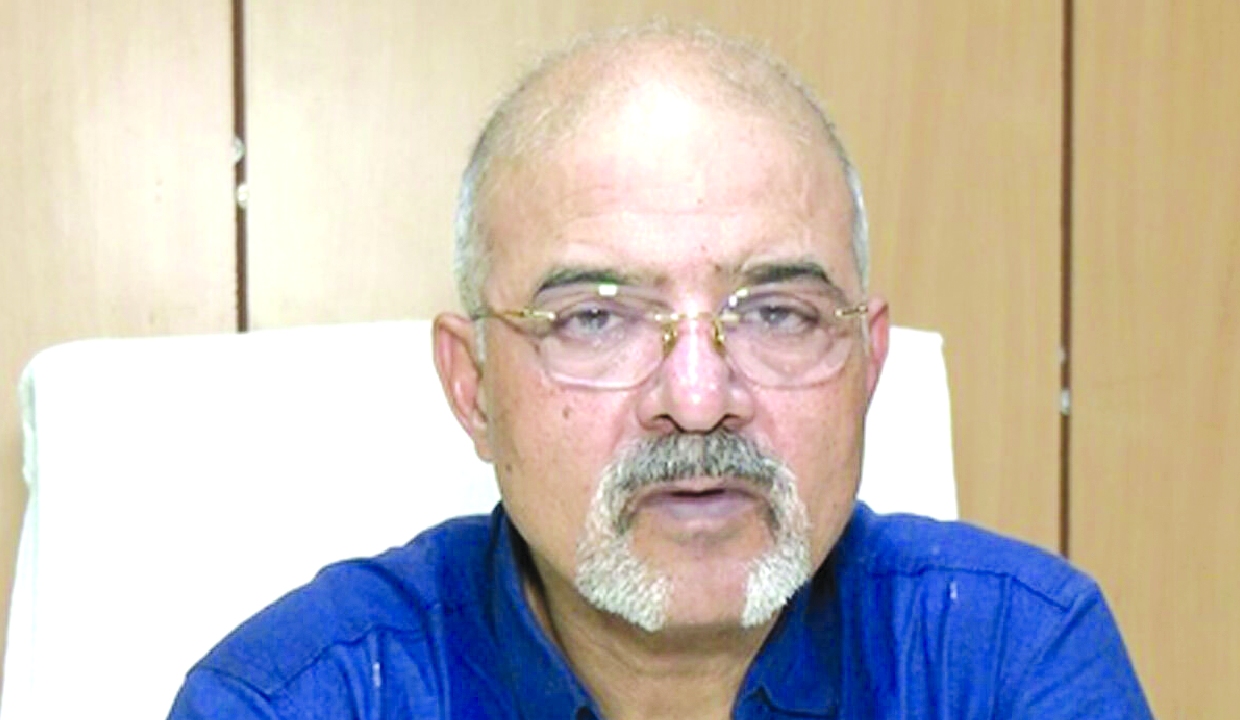
According to DFS Deputy Chief Fire Officer AK Malik, the overwhelming majority of fatal fires occur in buildings that never undergo fire safety scrutiny.
“Buildings with fire safety certificates account for only 1 per cent of total fire accidents. Accidents mostly occur in establishments that are neither referred to DFS nor issued a fire NOC,” Malik said.
Referring to the Malviya Nagar hotel blaze, in which 22 people died, and dozens were rescued, Malik said the establishment had never been referred to the fire department by the concerned building authority. Cities forward their maps to the DFS, which issues fire safety directives. Once construction is complete, we inspect the premises and issue a fire safety certificate if all applicable norms are met. Incidentally, Flourish Inn had never been referred to the DFS by the building authority,” he said.
Malik said investigators found serious design flaws in the hotel building. He said there was no ventilation, and even the bathroom windows were permanently sealed. The building behaved like a shaft, allowing smoke and heat to travel rapidly, he added, noting that DFS personnel rescued 38 people while conducting firefighting and search operations.
The comments gain significance in light of the Govindpuri house fire, where three family members died after being trapped inside a residential building. Malik noted that mixed-use structures, where commercial activity operates on lower floors and families reside above, are particularly vulnerable to fires.
He also pointed to changing urban architecture as a growing risk factor. Malik said Delhi homes have changed: earlier houses had better ventilation and higher ceilings, while today interiors contain highly flammable materials, causing fires to spread much faster.
To address the issue, DFS has proposed making sprinklers and smoke detectors mandatory in new buildings and is seeking government support to encourage their installation in existing structures. Malik claimed such measures could reduce fire fatalities by as much as 97 per cent.
Rising call volumes compound the challenge during the summer. Malik said DFS easily receives around 200 calls a day during this period. He added that electricity usage is at an all-time high due to Delhi’s extreme heat and that fire incidents increase sharply from summer through the festive season.
Despite the growing burden, DFS is grappling with a severe workforce crunch. Malik said the department is short 9,223 operational personnel and that it is difficult to manage the volume of fire accidents this quarter because of the shortage.
The officer said the department has submitted proposals to the government seeking additional workforce, modern equipment and new technologies. Plans are also underway to establish eight new fire stations annually and digitise response systems to improve emergency mobilisation.
As Delhi witnesses a succession of deadly fires, the recent tragedies in Malviya Nagar and Govindpuri highlight the same pattern: unsafe buildings, inadequate preventive measures and a fire service struggling to keep pace with the city’s rapid and often unregulated growth.