Delhi’s iconic Lodhi Garden turns 90
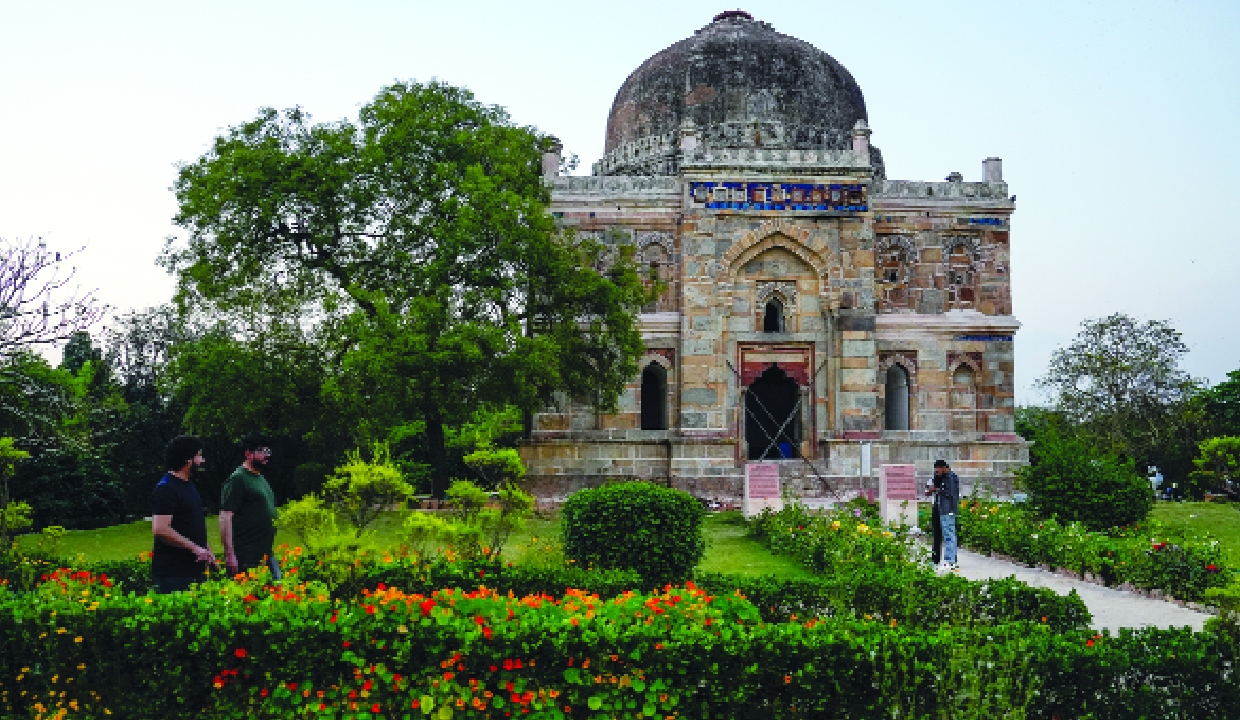
Home to centuries-old tombs and some of the most exotic plants and bird species, Delhi’s iconic Lodhi Garden — often described as the ‘best urban oasis in Asia’ — turned 90 on Thursday.
The horticultural delight, nestled in the heart of the national capital, bordering the posh Lodhi Estate and upscale Khan Market, was opened on April 9, 1936, as ‘The Lady Willingdon Park’, named after the then Vicereine of India.
Virtually acting as the lungs of Delhi, the wide green space, spread over 90 acres, is a top favourite of many for morning and evening walks, as also for joggers, or those looking just for some quieter moments away from the hustle and bustle of the city.
This garden was laid out after shifting what was then the village of Khairpur, on the outskirts of New Delhi.
At the 1911 Delhi Durbar, the British had announced the shifting of their imperial capital in India from Calcutta (now Kolkata) to Delhi, and a new capital city — later named New Delhi — was built, which was formally inaugurated on February 13, 1931, by the then Viceroy Lord Irwin.
With its beautiful flora and fauna, the Lodhi Garden is also a top choice of many picnickers and tourists, both domestic and foreign. Besides scattered monuments, a variety of plants and trees can be found here, such as neem, jamun, royal bottle palm, bamboo, eucalyptus and numerous birds, including parakeets, mynahs, kingfishers, babblers and hornbills.
“The garden happens to contain an unusually rich variety of architectural styles, ranging from Sayyid and Lodi to Mughal. The present landscaping was done by American architect Joseph Allen Stein (in 1968) and modified by a group of Japanese landscape designers,” according to INTACH.
Incidentally, the Indian National Trust for Art and Cultural Heritage (INTACH), a Delhi-based non-profit body that works for the preservation of unprotected heritage in the country, is located in the vicinity of the garden.
Purnima Datt, head of the HECS (Heritage Education and Communication Service) department at INTACH headquarters, says the garden is “our close neighbour” and also virtually a “living classroom for students” as it is an abode of so many species of plants, trees and birds, butterflies and other fauna.
“INTACH and Lodhi Garden have a very symbiotic relationship. For us, we see it every time we go to work, and we have so many fond memories associated with it. Either visiting it purely for a stroll or for doing heritage walks, every time the experience is amazing, just to be there in such an open space right in the heart of the city,” she said.