Delhi sees 28 fold jump in railway budget allocation
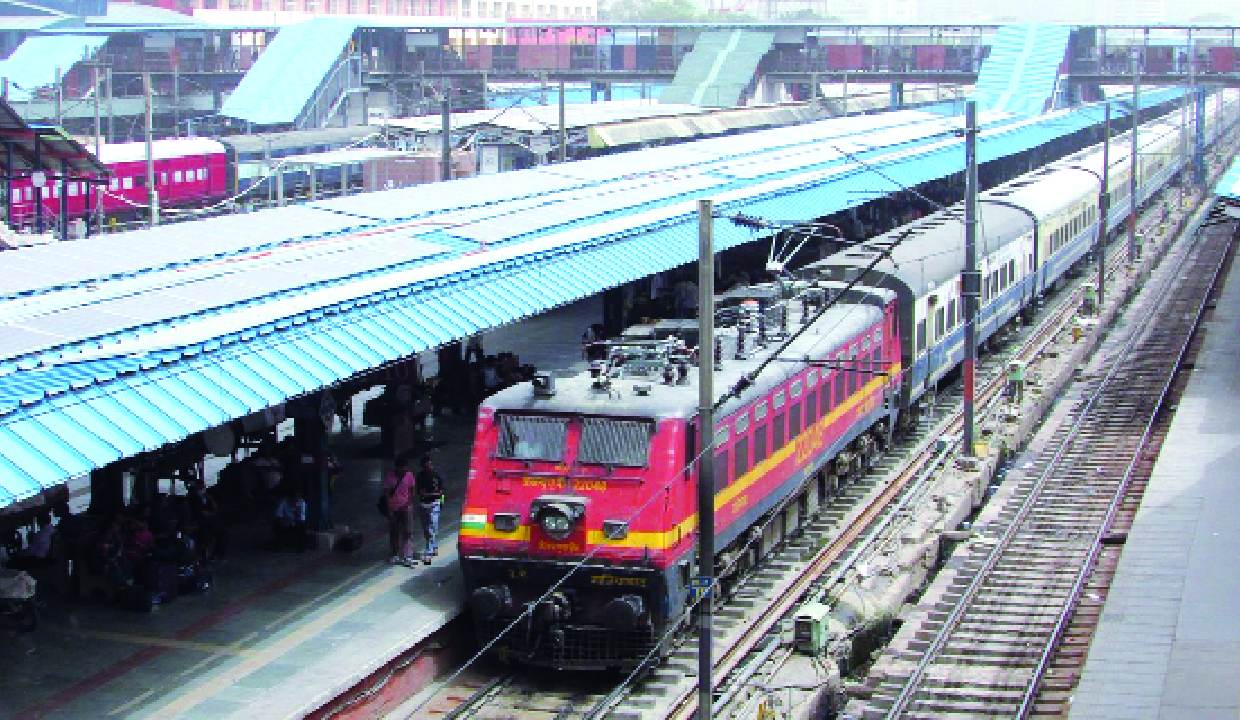
Delhi has witnessed a sharp rise in railway-related budgetary allocation and infrastructure development in recent years, with the annual average allocation increasing nearly 28 times compared to the 2009-14 period, according to official data. The annual average Budget allocation has risen from Rs 96 crore during 2009-14 to Rs 2,711 crore in 2026-27, marking a historic jump in funding for rail infrastructure and services in the national Capital.
Officials said the enhanced allocation has translated into large-scale infrastructure transformation across Delhi’s railway network. At present, railway works worth Rs 8,976 crore are under progress in the Capital. These projects cover track creation, station redevelopment, and safety-related enhancements across the State, reflecting a sustained focus on modernisation and capacity expansion.
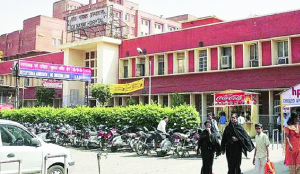
A major component of the ongoing investment is the redevelopment of stations under the Amrit Station Scheme. As many as 13 stations in Delhi have been identified for complete redevelopment under the scheme. These are: Adarsh Nagar, Delhi, Anand Vihar, Bijwasan, Delhi, Delhi Cantt, Delhi Sarai Rohilla, Delhi Shahdara, Hazrat Nizamuddin, Narela, New Delhi, Sabzi Mandi, Safdarjung and Tilak Bridge.
The total investment earmarked for station modernisation stands at Rs 5,887 crore. The redevelopment aims to redefine the passenger experience by improving station infrastructure, amenities, and accessibility, officials said.
Improved connectivity has also been a key outcome of the expanded railway investment. Delhi now has a significant presence of premium train services.
At present, 14 pairs of Vande Bharat Express trains are operational, providing faster and more comfortable intercity travel. In addition, eight pairs of Amrit Bharat Express services are also running, further enhancing travel options for passengers.
The railway network in Delhi has also seen expansion and technological upgradation over the past decade. Since 2014, around 24 kilometres of new railway tracks have been constructed in the state. Officials said this expansion has helped decongest existing routes and improve operational efficiency. Electrification has been another major milestone. Delhi has achieved 100 per cent electrification of its railway network. Since 2014, about 37 kilometres of rail lines have been electrified, enabling cleaner and more energy-efficient train operations.
In terms of grade separation and safety, 14 flyovers and underpasses have been constructed to reduce level crossings and improve both rail and road movement. These structures have contributed to smoother traffic flow and enhanced safety at critical junctions.
The data also shows progress in the implementation of Kavach, the indigenous train collision avoidance system. Work or tender processes are currently in progress for 29 route kilometres, while a total of 104 route kilometres have been sanctioned for Kavach implementation. Officials said the system is a key safety upgrade aimed at preventing collisions and improving overall rail safety.