Delhi plans major logistics policy push
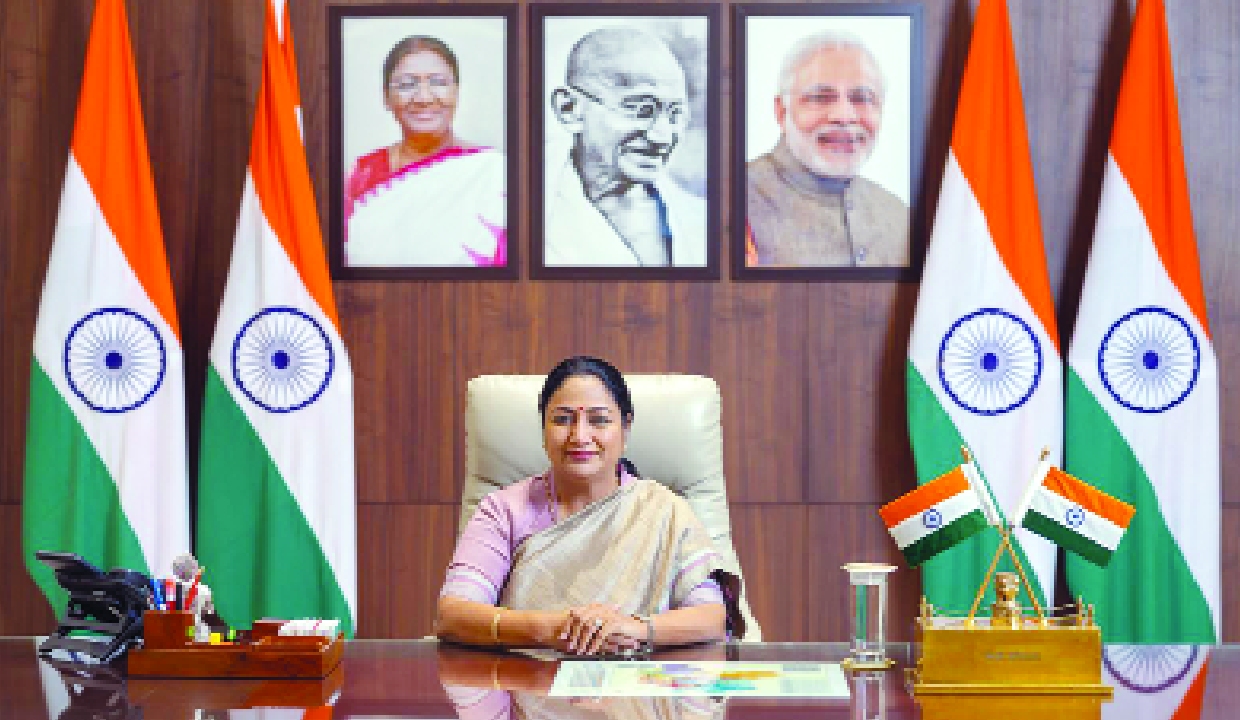
The Delhi Government is preparing to launch a new Logistics and Warehousing Policy aimed at improving freight movement, reducing congestion, and attracting investment in the Capital, Chief Minister Rekha Gupta said on Wednesday.
The policy, currently in its final stages, proposes large-scale reforms in logistics infrastructure, warehousing, transport systems, and digital freight management. The Government said the initiative is designed to make Delhi a modern and environmentally sustainable logistics hub while strengthening ease of doing business.
According to the Chief Minister, one of the key features of the policy will be the development of Urban Consolidation and Logistics Distribution Centres in peripheral areas outside the main city.
These centres will handle bulk cargo and regulate the movement of goods into Delhi in a more organised manner.
The Government believes shifting logistics hubs to the outskirts will help reduce traffic congestion caused by heavy vehicles and lower pollution levels within the city. The policy also proposes the creation of local storage hubs and micro-fulfilment centres to improve last-mile delivery systems. Officials said this would support faster and more efficient delivery operations, particularly for e-commerce and retail sectors.
The Chief Minister said the Government plans to modernise Inland Container Depots and develop dedicated logistics corridors, truck terminals, and parking facilities across the city. Cold storage units will also be established near wholesale markets to strengthen supply chains for perishable goods and reduce transport pressure inside Delhi.
Environmental sustainability has been given special importance in the proposed policy. The Chief Minister said electric vehicles will be promoted for last-mile deliveries while solar-powered warehouses and low-emission logistics systems will also be encouraged.
Officials said the policy aims to reduce the environmental impact of freight transport while improving operational efficiency. The Government also plans to introduce an integrated logistics interface platform for real-time tracking and digital management of freight movement. Advanced technologies, including artificial intelligence-based planning systems, will be used to improve route optimisation, scheduling, and supply chain management.
The Chief Minister said the use of digital systems would increase transparency and reduce delays in transportation and delivery operations. According to the Government, sectors such as e-commerce, textiles, electronics, construction materials, and agricultural produce are expected to benefit from the policy. Improved warehousing and distribution systems are likely to increase productivity and reduce operational costs for businesses.
The Government said the e-commerce industry currently accounts for nearly 61 per cent of warehousing demand in Delhi, and the new policy is expected to attract major investment in modern fulfilment infrastructure. Large-scale employment generation is also expected under the policy. Officials said new opportunities would be created in warehousing, cold chain networks, transport services, logistics parks, packaging, and technology-enabled services.
To support workforce development, the Government plans to introduce skill training programmes with incentives of up to Rs 5,000 per employee. The policy also includes financial incentives for investors. The Government has proposed Capital subsidies of up to 50 per cent, capped at Rs 50 crore, for logistics infrastructure projects. Interest subsidies and concessions on electricity charges are also planned to reduce operational expenses.
Officials said logistics and warehousing projects will be promoted through the public-private partnership model. The Government also plans to simplify approval procedures through a strengthened single-window clearance system. Warehousing and logistics operations may be allowed to function around the clock under the new framework.
Under the Master Plan Delhi 2041, wholesale markets are proposed to be shifted outside the city in phases. Land for logistics infrastructure will be identified and allocated on priority. The Chief Minister said the policy would strengthen Delhi’s supply chains, improve investment opportunities, and boost the city’s position in national logistics rankings.