Delhi HC directs DUSIB to prepare contingency plans to protect patients, kin from harsh weather
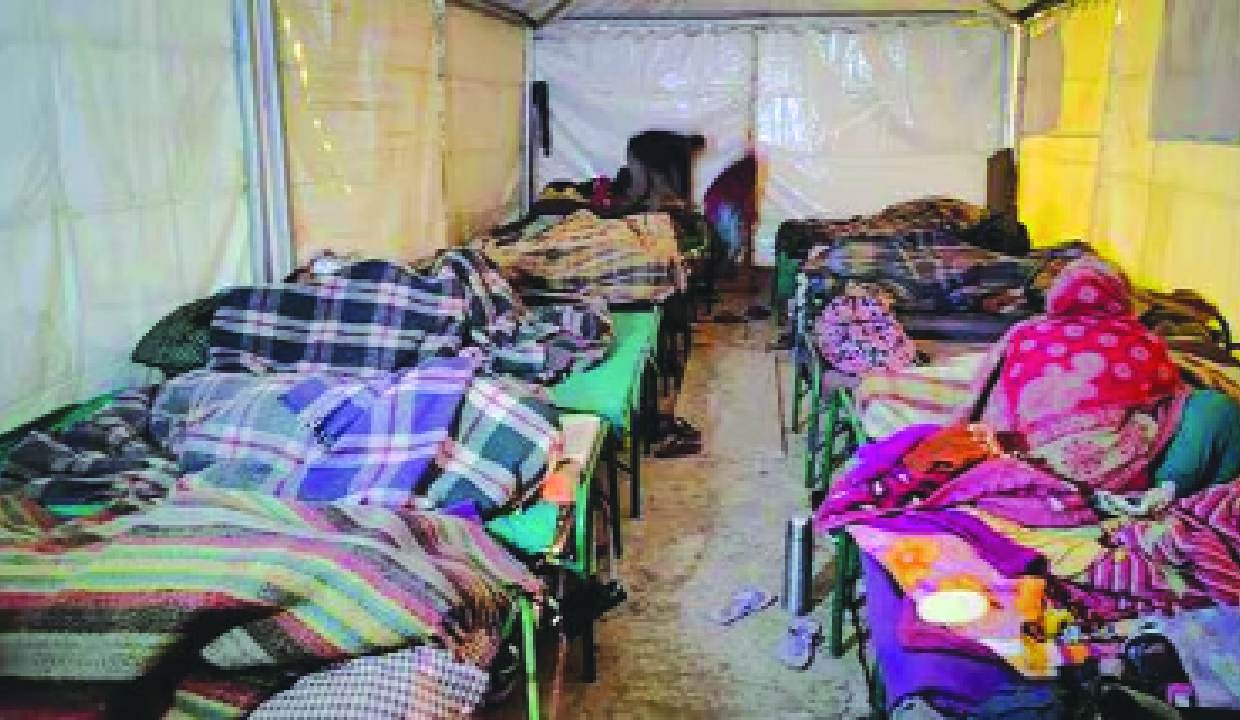
The Delhi High Court on Tuesday directed the Delhi Urban Shelter Improvement Board to prepare emergency action plans to protect patients and their attendants camping outside major Government hospitals from extreme weather conditions.
The High Court said two annual short-term contingency action plans would be prepared by the board to address heatwave and cold wave conditions, which need to be implemented after the approval of the monitoring committee overseeing the issue.
A bench of Chief Justice D K Upadhyaya and Justice Tejas Karia was hearing a suo motu petition initiated by the High Court after taking cognisance of a news report on the “pitiable condition” of patients and their kin camping on the streets while awaiting treatment outside the All-India Institute of Medical Sciences (AIIMS).
The bench said the summer plan needs to be prepared during January-February and implemented at the onset of heatwave conditions in May-June, with a scope to extend it during July-August. The plan to address cold wave conditions needs to be framed during July-August and implemented in December, January and February, it said.
The action plans, the bench said, need to be approved by the principal district judge, south, during the coordination meeting, following which they could be implemented.
The court noted that AIIMS submitted a status report regarding the various coordinated welfare and support measures for patients and their attendants across identified campus locations, and that the focus areas included shelter, transportation, safety, hygiene, food support and on-ground monitoring.
The report said that coordinated efforts had been intensified in collaboration with the Delhi Urban Shelter Improvement Board (DUSIB), New Delhi Municipal Council (NDMC), Municipal Corporation of Delhi (MCD), Central Public Works Department (CPWD), Public Works Department (PWD), Delhi Police, and other agencies.
It said that AIIMS had operationalised and enhanced shelter facilities at multiple designated locations within and around its campus, and 750 beds across these sites were fully occupied, reflecting high demand and effective utilisation.
The report also said that the hospital's security staff, in coordination with Delhi Police, had undertaken proactive measures to shift patients and attendants waiting on footpaths to the designated pagoda shelters.
“This has ensured orderly relocation, enhanced safety, and prevention of exposure to harsh weather. Free-of-cost e-shuttle services have also been provided for the safe internal movement of patients and attendants,” it said. According to the report, food support had been facilitated through the Society for Promotion of Youth and Masses (SPYM), a non-profit, providing two meals per day along with morning tea at all shelter sites in an orderly and organised manner.
Security arrangements had been strengthened with round-the-clock roster deployment of AIIMS security staff at key pagoda sites, and the measures included joint supervision and crowd regulation with Delhi Police, particularly during the late evening and night hours, the report said. “As of January 22, all pagoda shelters are fully occupied by patients and their attendants during night hours, underscoring the continued need for sustained vigil and capacity management.