Delhi EV policy drops incentives for strong hybrids despite rising sales
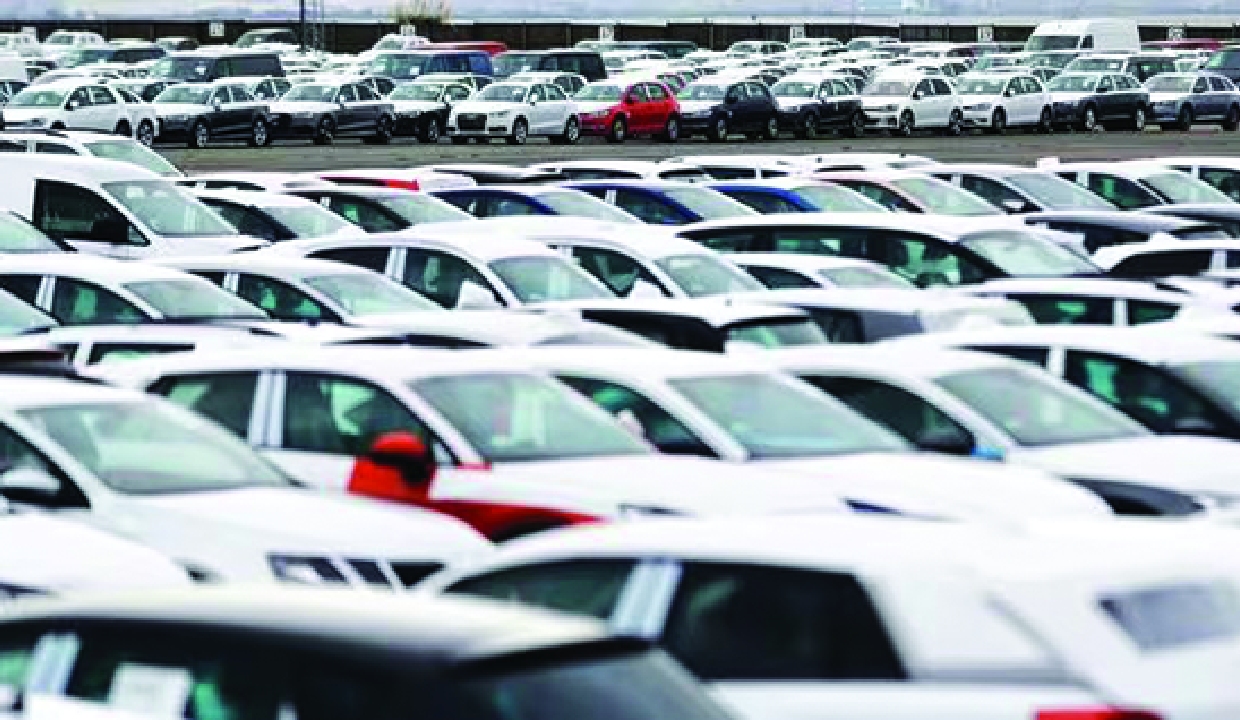
The Delhi Electric Vehicle (EV) Policy, approved at the Cabinet meeting chaired by Chief Minister Rekha Gupta on Monday, dropped strong hybrids from the incentive scheme despite steady sales growth in the segment.
There was a proposal of a 50 per cent exemption to buyers of strong hybrid vehicles in road tax and registration under the draft of the EV policy, but it was dropped during final consultations, said Transport Commissioner Niharika Rai.
According to official data, the sale of hybrid vehicles, although below two per cent, is growing steadily. Among total vehicle registrations in Delhi this year, the share of fossil fuel-based hybrids stood at 1.7 per cent, and electric hybrids accounted for 1.2 per cent.
A total of 4,410 hybrid four-wheelers were sold this year between January and May as compared to 3,456 in the same period in 2025, a jump of around 27 per cent, as per data available on the Vahan portal.
The hybrid vehicle sales stood at 961 during January-May 2024. In 2025, a total of 7,767 EV hybrids were sold as compared to just 4,982 in 2024, registering a year-on-year rise of around 56 per cent.
During consultations involving the stakeholders and the Group of Ministers (GoM) formed to frame the EV Policy, the opinion was divided. Incentivising strong hybrids was strongly advocated by supporters of the proposal, citing its contribution to faster adoption of EVs in neighbouring Uttar Pradesh.
According to hybrid vehicle manufacturers’ data, the sale of strong hybrids registered a 175 per cent rise in monthly sales, after July 2024, when an exemption was granted in road tax and registration fees. The average sale of strong hybrids in UP was 538 before the exemption.
Non-inclusion of strong hybrids in the subsidy scheme under the Delhi EV Policy 2026 means that buyers of these vehicles will continue to look to other states, including UP, for incentives, leading to a loss of hundreds of crores of rupees to the city Government, officials said.
Hybrid vehicles use twin energy sources, mainly from conventional fuels like petrol and diesel, as well as energy produced by regenerative mechanisms. This means less use of fossil fuel and improved emission standards. These vehicles capture energy normally lost during braking by using the electric motor as a generator and storing the captured energy in the battery.
The hybrid EVs are powered by conventional internal combustion engines in combination with one or more electric motors that use energy stored in batteries. A wide variety of hybrid electric vehicle (HEV) models are currently available. Although HEVs are often more expensive than similar conventional vehicles, some of the cost may be recovered through fuel savings or through Government subsidies, officials added.