DDCA scraps complimentary passes for members to curb black-marketing, boost revenue
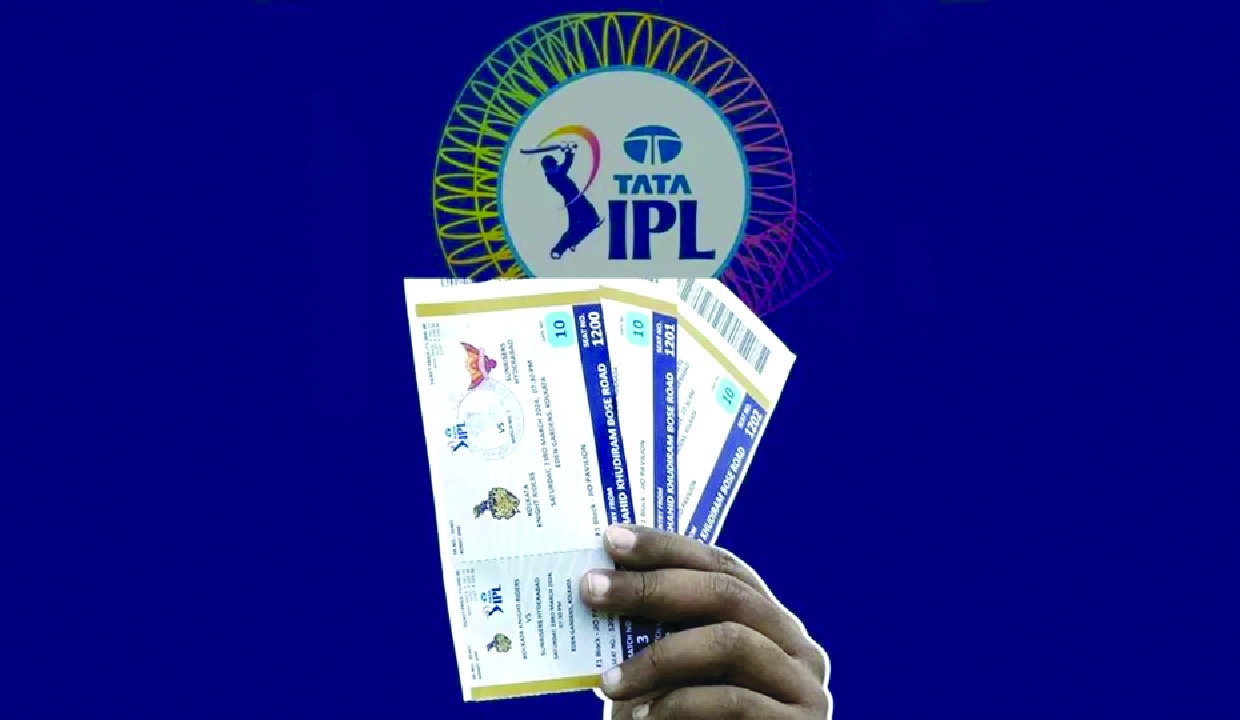
The Delhi & District Cricket Association (DDCA) will stop issuing complimentary passes to members to enhance transparency and prevent revenue losses.
The Apex Council made this decision during a meeting on Sunday, following recent events regarding the ticket black market. DDCA President Rohan Jaitley chaired the session. With immediate effect, the association will no longer accept complimentary passes from IPL franchises, such as the Delhi Capitals, for bilateral and international matches at Arun Jaitley Stadium.
Under the new policy, each DDCA member will receive only two complimentary tickets for Gates 17-18, which may include a buffet lunch.
Officials believe this move will help generate more revenue for the cash-strapped body. For example, a senior DDCA official estimates that the association can earn up to Rs 1 crore in ticket sales during high-profile bilateral matches.
The decision follows recent allegations of black-marketing of complimentary passes during IPL 2026 at Arun Jaitley Stadium, which led to a police investigation.
The series of events began when Delhi Police uncovered an organised ticket racket. Investigators found that a senior DDCA official allegedly diverted up to 1,200 passes per match, marked “Not for Sale,” for resale at prices ranging from Rs 8,000 to Rs 80,000.
A breakthrough in the investigation occurred on May 8, 2026, when police arrested three men, Mukeem, Gufran alias Sajid, and Md Faisal, outside the stadium. They were allegedly attempting to sell complimentary passes for that day’s IPL match, and police recovered 54 tickets (33 of which were complimentary) and Rs 25,000 in cash.
Further interrogation led police to Pankaj Yadav, a nearby petrol pump supervisor, who was identified as the alleged “distribution in-charge” of the racket and subsequently arrested.
Each IPL match, DDCA receives about 6,000 complimentary passes from the franchise. Many of these, including undelivered passes, were allegedly given to Yadav, who then used a network stationed at stadium gates to sell them to fans. Ticket prices varied by match importance, ranging from Rs 8,000 for regular games up to Rs 80,000 for high-profile matches featuring star players like Virat Kohli.
Investigators suspect the illegal ticket network extended further, alleging that those involved supplied high-priced passes to individuals engaged in live betting operations at stadiums.
Police also found links to pickpockets and criminal elements, uncovering, during the May 2026 probe, links to similar black-market activities at other IPL venues across India.
As the investigation widened, Delhi Police summoned four DDCA officials, including two senior officers, for extended questioning. Formal notices were subsequently sent to two CEO-level officials and a personal assistant from the DDCA accounts section.
These individuals, responsible for pass distribution, were asked by police to explain the process that led to the reselling of passes on the black market.
The controversy over black-market ticket sales exposed deep-seated issues with DDCA’s distribution system. In response, the Apex Council fully scrapped the complimentary pass system for members, replacing it with a strict two-ticket entitlement to control reselling and increase revenue.