Dawood, betting, IPL: Lalit Modi makes fresh claims
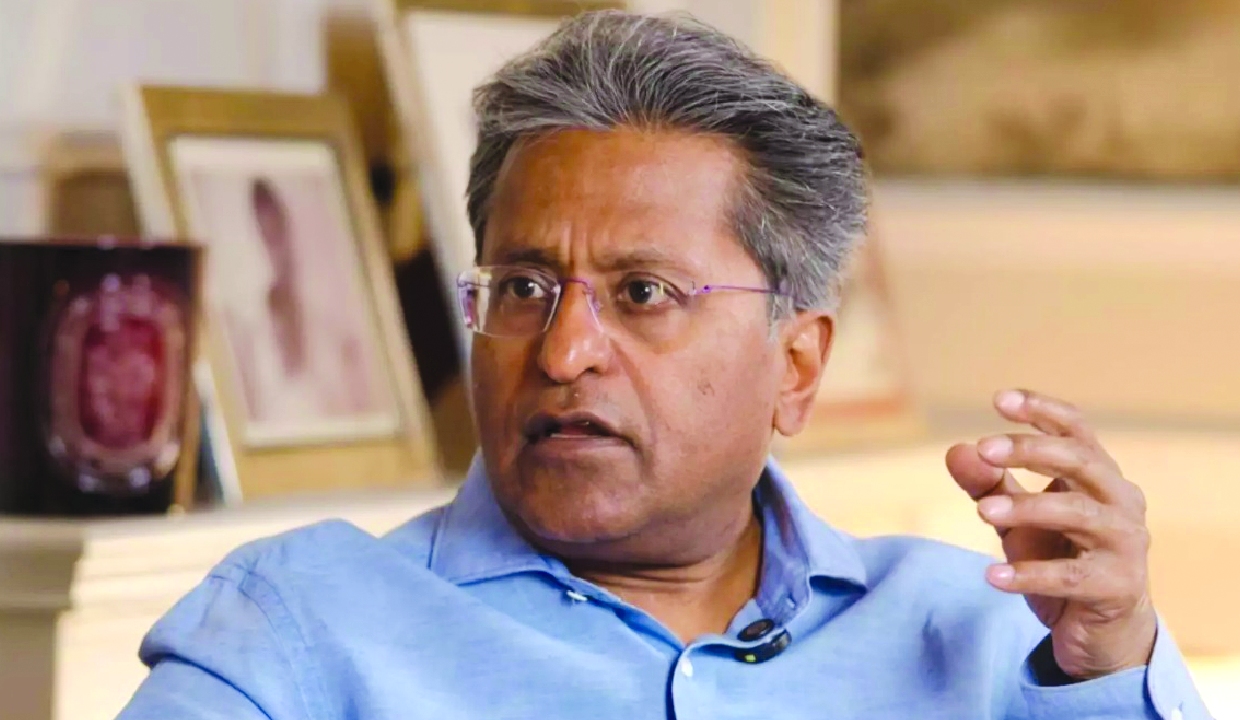
In a sensational twist, former IPL commissioner Lalit Modi alleged that Dawood Ibrahim planned to take control of an IPL franchise and issued threats when efforts were made to shut down illegal betting syndicates linked to him.
Modi, who played a major role in developing the T20 tournament, told ANI in a podcast that pressure from Ibrahim’s syndicate went beyond financial extortion. After leading the IPL from 2008 to 2010, Modi was banned for life by the BCCI over unrelated issues.
Against this backdrop, he described interference from the underworld and reiterated his strict policy against match-fixing.
“You didn’t hear of a single incident during my three years as IPL commissioner and chairman. Nor was there a single investigation involving match-fixing during my time,” he said.
Building on his earlier efforts, Modi says he removed suspicious people from stadiums and turned down bribes worth hundreds of millions of dollars. The tipping point came when IPL Season 2 was moved to South Africa in 2009 due to security concerns. As a result, betting syndicates suffered massive losses, having expected the tournament to be cancelled.
“Dawood Ibrahim is a known bookmaker. He controlled the cricket book. In those days, it was $2 billion in underground betting. Today, it’s $4 billion of underground betting a game,” Modi claimed. Over time, spot-fixing became common, with people fixing single overs or balls using signals like waving a handkerchief.
The betting groups pursued both money and power, escalating matters. The situation came to a head in London in 2012, after Modi left India, when a fixer called at 3:30 am and told him to go to a penthouse owned by ‘Baba’.
The man demanded that Modi help the syndicate get an IPL team. When Modi raised the Dawood problem; in India, Baba said, “I’ll fix it”. He went to the terrace, took out a satellite phone, and called Dawood. Baba said, “Dawood bhai, Lalit bhai aaya hai. Baat karo”.
Modi declined to speak. According to his account, Dawood said, “You are his friend, forget everything, it is all over. Without doubt.”
Modi alleges that the pressure increased and that the Mumbai Police provided him with Z-category security after reported threats. Modi asserted there were three attempts on his life, allegedly ordered by Dawood, in Bombay, Johannesburg, and near the Croatian border in Montenegro.
He also claimed his son was kidnapped in London on Sloane Street by individuals connected to “Baba.” “They went after me,” Modi said. According to Modi, the standoff against the syndicates ended only after he promised to retire from cricket shortly after the 2012 London meeting.
Chhota Shakeel, Dawood’s aide, later publicly claimed their differences were resolved. Modi said this was central to his decision to leave cricket completely by 2012. He added that safety fears, constant media scrutiny, and government pressure left him no choice.
Modi has lived in London since 2010. He rejects the “fugitive” label and insists he faces no active cases that forced his exit. These are not entirely new allegations, but Modi links his final severance to threats.
In 2015, Mumbai Police backed claims that Dawood and Chhota Shakeel targeted Modi and his family over unpaid extortion during a trip to Thailand after 2010. In his 2026 interview, Modi gave his most detailed account yet of the 2012 London meeting and the earlier attempt to take over an IPL team. So far, no one has independently confirmed the 2012 incident.
The BCCI and Indian authorities have not commented on these claims. These stories come as the IPL, now worth over $10 billion, faces new questions about its management. In this context, Lalit Modi’s story raises old questions about corruption in cricket. The illegal betting market, worth $40 billion a year, has grown with ball-by-ball betting since the IPL started in 2008. Moreover, smaller leagues remain at risk, and D-Company is reportedly still active in Karachi.