Current account deficit to widen to 2.3% of GDP in FY27: Report
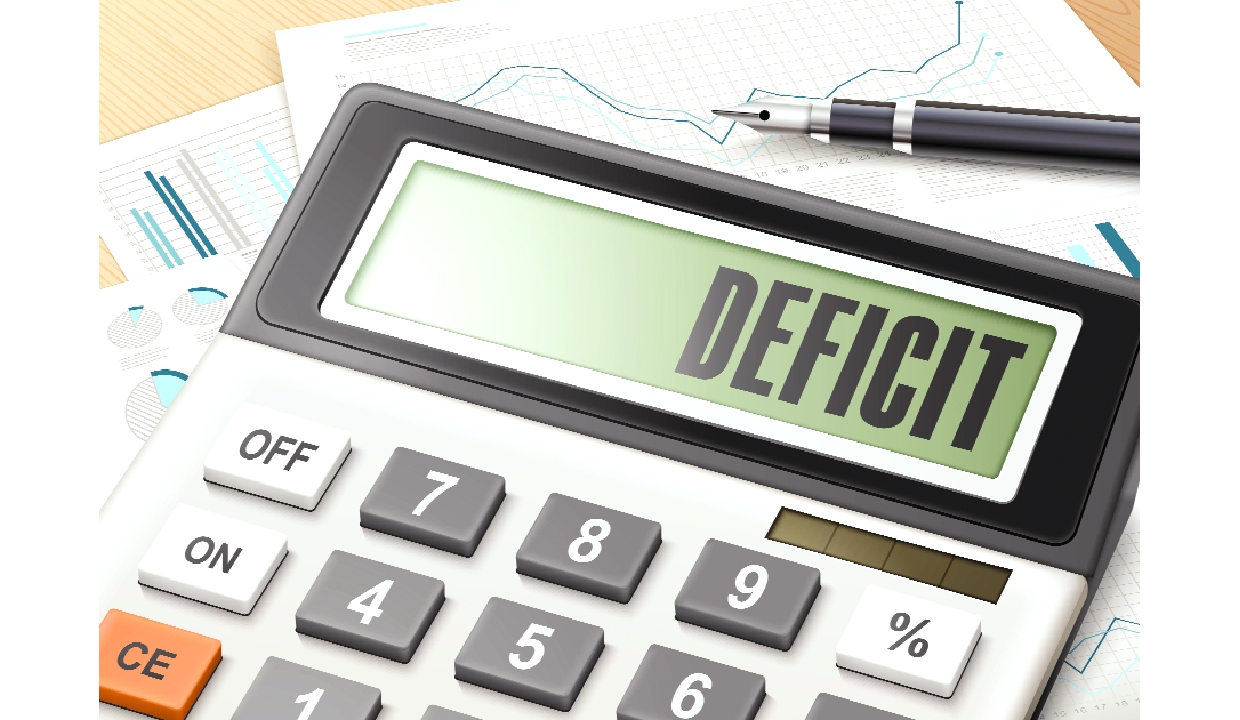
India’s current account deficit is set to widen to 2.3 per cent of GDP in FY27 from 0.9 per cent in FY26, a foreign brokerage said on Monday.
The balance of payments (BoP) deficit is estimated to widen to $65 billion in the current fiscal from the last fiscal year’s $35 billion, it said. HSBC said it has assumed crude prices to average $95 a barrel, and combined it with sensitivities in oil, gold, core goods, services trade and remittances to arrive at a current account deficit of 2.3 per cent of GDP in FY27 as against 0.9 per cent in FY26.
The BoP forecast has been made after growing through trends in portfolio inflows, FDI flows, and external commercial borrowing (ECBs), it said.
The report also looked at forex reserves and opined that the nearly $700 billion kitty seems sufficient from the traditional perspective, but suggested the need to look at it from a dynamic perspective, better for the current times of heightened risks amid recurring global shocks.
“Using a dynamic approach, we benchmark adequacy ratios against the lowest 10th percentile thresholds from India’s own history to make sure minimum support levels are available,” it said.
While India is above all the thresholds currently, it would fall below the 10th percentile threshold if the estimates on the BoP play out. Around $30 billion of extra forex reserves via extra inflows or current account savings would keep all buffers above the 10 per cent threshold, it said.
“There is a two-fold challenge: lower the CAD and attract capital inflows that are sustainable,” it said, recommending policy actions including hiking pump prices for fuels.
“There is evidence from 2022 that adequate pump diesel and petrol price increases can take care of two-thirds of the extra funds needed,” it said.
Operationalising recently signed trade deals can raise India’s growth prospects and bring back FDI flows, which have slowed, it said.
Additionally, unifying tax treatment across asset classes and right-sizing India’s taxes on foreign investment relative to other economies can lead to market deepening and sustainable inflows, the report said.