Court voids transparency International India probe, awards former board member Rs 10 lakh
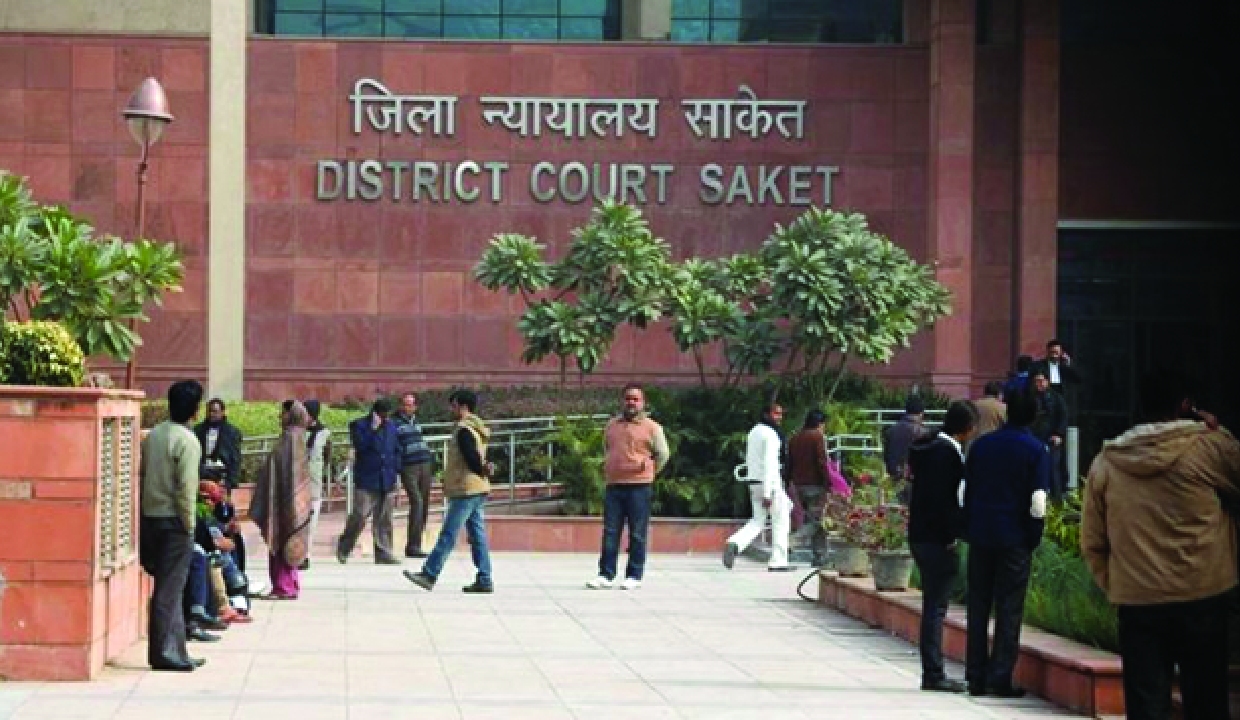
A Delhi district court has declared an internal inquiry against a former board member of Transparency International India (TII) illegal and void, and ordered two defendants to pay him `10 lakh for damage to his professional reputation. The judgment, delivered on July 25, 2026, in Jitendra Kohli vs Transparency International India & Ors, has revived an old question: whether organisations that campaign for transparency and accountability apply the same standards to themselves.
District Judge-07, Richa Gusain Solanki, of the South-East District Court at Saket partly decreed Kohli’s suit. She held that a one-member inquiry committee set up by TII, and its report dated December 15, 2014, were contrary to the organisation’s rules, illegal, and of no legal effect. The court permanently restrained TII, its office-bearers and persons acting on their behalf from circulating, publishing or sharing the report, or any part or summary of it, with third parties or on public platforms. Disclosure required by law, a court, or a competent authority is excluded from that restraint.
According to the court record, Kohli had worked on transparency in public procurement since around 2000, particularly e-procurement and e-tendering, and had identified vulnerabilities in security, confidentiality, transparency and integrity that could enable technology-driven corruption. In 2008, Admiral (Retd.) RH Tahiliani, then chairman of TII, invited him onto the organisation so those issues could be taken to vigilance authorities.
Among the documents Kohli was asked to prepare, at the behest of the Central Vigilance Commission, was the e-Procurement Integrity Matrix, a record of generic weaknesses in e-procurement systems. It was vetted by internet-security experts under NR Narayana Murthy, then a member of CVC’s Vigilance Advisory Council, and later forwarded by CVC to the ministry concerned.
The court noted that TII made extensive use of Kohli’s expertise, that his work continued through the tenure of Justice (Retd) Kamleshwar Nath, and that his contributions were acknowledged in TII documents and annual reports.
Differences later arose after Kohli raised concerns about TII’s internal governance. His case was that efforts to expose deficiencies and malpractices in e-procurement affected vested interests.
After which, false and motivated allegations of conflict of interest were made against him. A one-member inquiry was constituted despite an existing Ethics Committee. Kohli challenged both the committee and its proceedings.
The court found that no provision in TII’s rules had been shown that would allow the inquiry to be narrowed to a single member by excluding other members of an existing committee. It also held that the defendants had not produced sufficient documentary or oral evidence of the Board of Management’s required approval for the one-member body. An inquiry by a body lacking authority, the court said, could not be recognised in law, and findings of misconduct from such a process could seriously prejudice reputation and professional standing.
Kohli had sought Rs 20 lakh. The court did not find independent confirmation of actual financial loss, but awarded `10 lakh for injury to reputation, payable jointly and severally by defendants 2 and 4, along with costs.
The judgment also records evidence that Transparency International in Berlin withdrew accreditation from “Transparency International India” around the end of 2015, after which TII was no longer a recognised national chapter of the movement.
The dispute is more than a decade old, and the decree is a civil finding on process, not a criminal conviction. Even so, it leaves a pointed public-interest question: whether bodies that demand due process, governance and fairness from others are bound to observe those standards inside their own walls.