CM flags 100 e-buses, backs no PUC, no fuel rule despite inconvenience
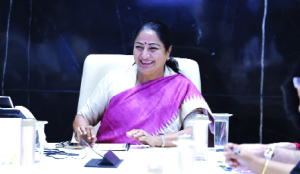
Delhi Chief Minister Rekha Gupta on Thursday said while the ‘no PUC, no fuel’ rule may cause inconvenience to people, it is a collective moral responsibility to ensure that all vehicles are tested and certified for pollution.
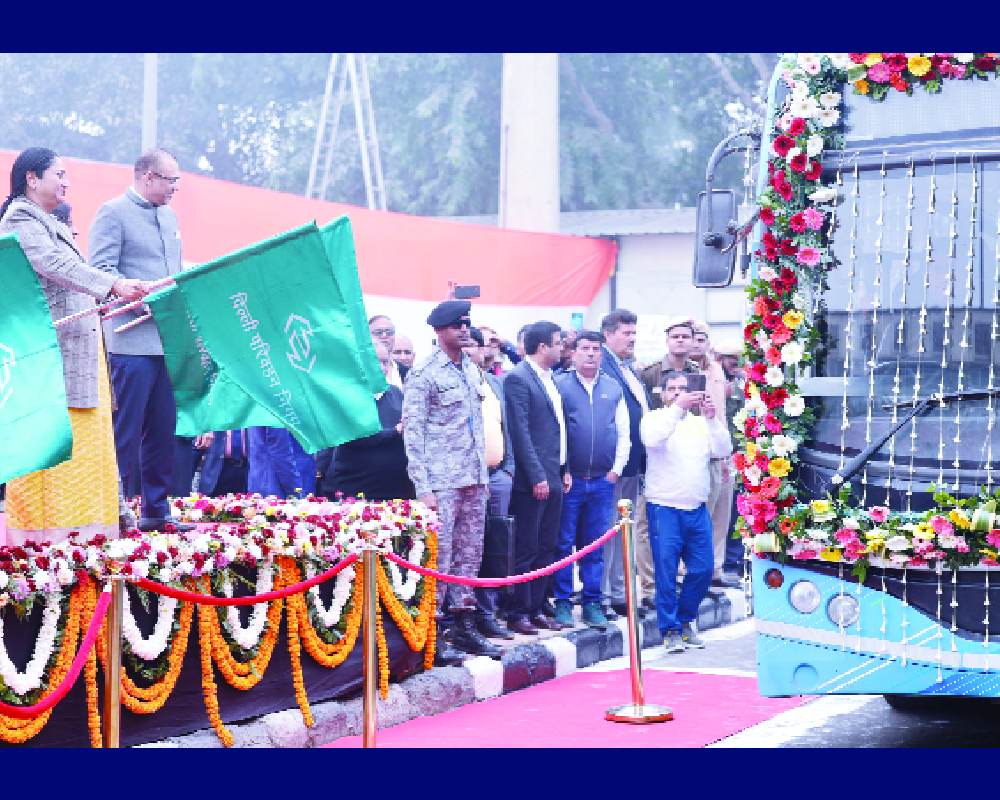
Speaking at the flagging of 100 new electric buses added to the DTC fleet at ISBT, Kashmere Gate, taking the total number of electric buses in operation across the city to over 3,500, the chief minister said no vehicle would be allowed to refuel without a valid Pollution Under Control (PUC) certificate, stressing that strict enforcement is necessary to curb worsening air quality. She stressed that strict enforcement was essential to curb the Capital’s worsening air quality.
“People are facing inconvenience, but every vehicle running in Delhi must ensure it doesn’t cause pollution. It is our collective moral responsibility to ensure all vehicles are PUC-certified,” she said. She added that strengthening the public transport system is the most effective solution to tackle pollution, and appealed to people to avoid using private vehicles for solo travel. “Carpooling and public transport should be preferred. Improving the transport system is the key to improving air quality,” she said.
The chief minister said the Government is expanding pollution testing infrastructure in the national Capital. While Delhi had very few centres issuing PUC certificates, automated testing centres are now being set up at Nand Nagri, Burari and Tehkhand, she said.
The chief minister also praised public transport staff, saying drivers play a major role in reducing pollution, and added that officials are working hard to improve the city’s deteriorating environmental situation.
At the event, she also flagged off an Interstate bus service between Dhaula Kuan and Dharuhera in Haryana in the presence of Transport Minister Dr Pankaj Kumar Singh and senior officials.
She said, “Inter-State bus services had been discontinued during the previous Government’s tenure and their revival would strengthening regional connectivity. Services to Sonipat, Baraut and now Dharuhera are part of this effort,” she said.
She said the Dhaula Kuan-Dharuhera electric bus service would improve regional connectivity while curbing dependence on private vehicles, especially along high-traffic corridors.
With the addition of new buses, the total number of e-buses has risen to 3,400. She said, “3,400 buses are electric, and the fleet would be steadily expanded next year with an aim of converting the entire public transport system to electric.”
She also announced a Pink Card system would be introduced for women to avoid repeated ticket purchases. “The card itself will serve as an identity card. This facility will be extended to our sisters very soon,” she said.
The ban on the entry of non-Delhi private vehicles below BS-VI standards and the enforcement of the ‘no PUC, no fuel’ rule came into effect in the national Capital on Thursday as part of stepped-up measures to control air pollution.
The newly inducted low-floor, air-conditioned electric buses are equipped with CCTV cameras, panic buttons, real-time vehicle tracking systems and facilities for persons with disabilities.
The Interstate route between Dhaula Kuan-Dharuhera will benefit commuters travelling to the Gurugram-Manesar industrial area. Major stops include Dhaula Kuan, HR Rajokri Border, Gurugram, Kherki Daula, Rampura, Manesar, Panchgaon, Vyaspur YNR, Sidhrawali and Dharuhera. DTC will operate three electric buses per shift on this route.