CIC attempts to nip an immoral custom
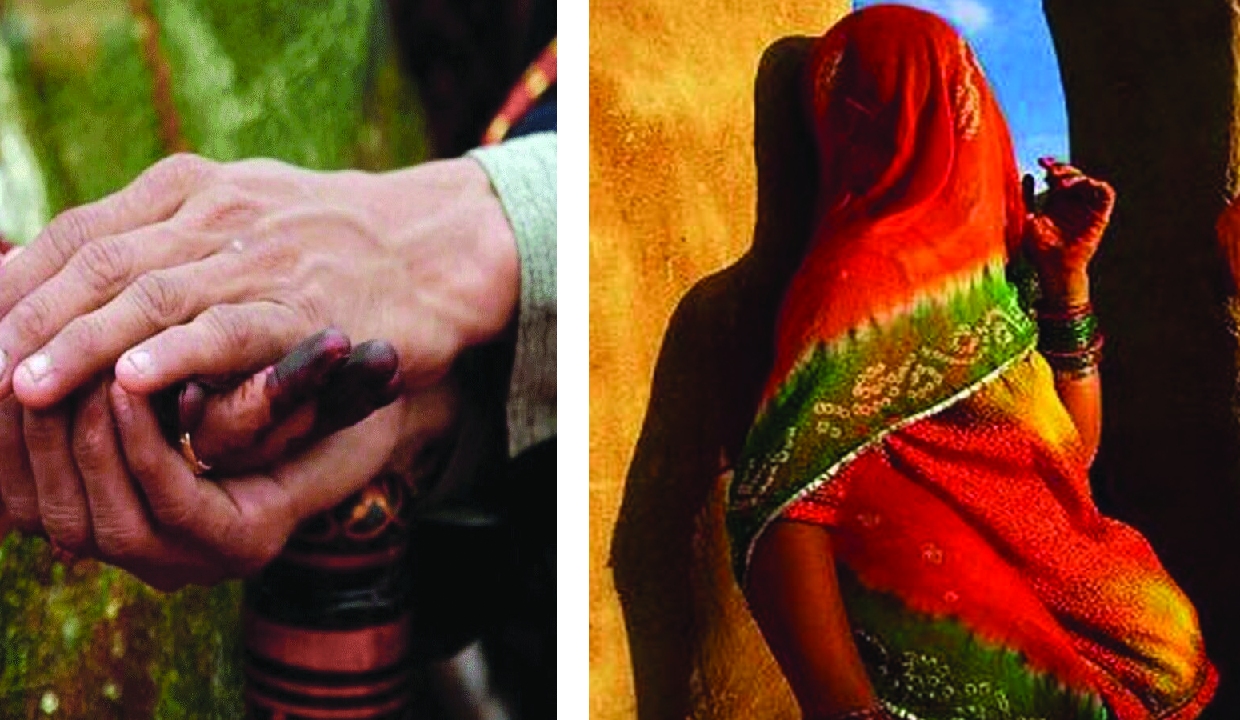
Imagine being a young girl in a remote village in Rajasthan. One day, your own father signs a piece of stamped paper, shakes hands with a stranger in front of the entire village, and hands you over for money. No wedding rituals, no legal papers that actually protect you, just a so-called ‘Nata’ (relationship) that treats you as property. This is ‘Nata Pratha’, a centuries-old custom still alive in pockets of Rajasthan, Madhya Pradesh, Uttar Pradesh and Gujarat, especially among certain tribal communities like the Bhils.
A custom rooted in poverty, patriarchy, and silence, Nata Pratha is often defended as tradition or local custom. In reality, it reduces girls and women to commodities. Families in extreme poverty see daughters as a source of quick cash. Men “buy” relationships without the legal responsibilities of marriage. There is no protection against abandonment, violence, or repeated sales. Girls, as young as teenagers, find themselves trapped in informal live-in arrangements that society turns a blind eye to.
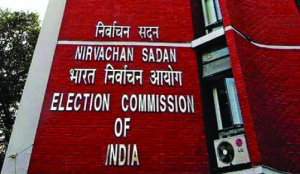
On April 2, 2026, this regressive practice came under fresh scrutiny when the Central Information Commission (CIC) ordered the Union Ministry of Women and Child Development to disclose an important Action Taken Report (ATR) it had submitted to the National Human Rights Commission (NHRC). Information Commissioner PR Ramesh, in a clear and firm order dated February 25, 2026, in the case of RTI applicant Tilkesh Bhadala, directed the ministry to revisit the RTI request and share the report, after redacting any personal or exempt details under Section 8(1)(j) of the RTI Act.
A father in Rajasthan sold his minor daughter under Nata Pratha for Rs 2.5 lakh. The deal was signed on stamp paper in front of villagers on July 11, 2019. The buyer paid Rs 60,000 upfront; the rest was due later. When he didn’t pay in time, the father took the girl back and fixed her Nata with another man for just Rs 32,000. The terrified girl resisted. She complained to the police that her alcoholic father had been trying to sell her repeatedly to earn money and had even threatened to kill her. Tragically, she later died by suicide in June 2020.
The NHRC’s own investigation found this was not an isolated case. On June 6, 2024, the Commission took suo motu cognisance, calling Nata Pratha a social evil and unethical and immoral practice with devastating consequences for women and minor girls. It compared it to modern-day human trafficking and urged prosecution under anti-trafficking laws and the POCSO Act for cases involving minors.
The NHRC issued notices to the Ministry of Women and Child Development and the four states, demanding action-taken reports within eight weeks. It even recommended a specific new law to eradicate the custom in its entirety. The ministry itself told the NHRC that the practice was too demeaning to women and needed to be abolished. Yet, the ministry initially denied everything, claiming it involved personal information of complainants and families, exempt under the RTI Act.
The CIC agreed that personal details of victims must stay protected, but drew a clear line: the overall action taken report is a matter of public interest. It is not about exposing individuals; it is about holding the system accountable. Information Commissioner Ramesh ordered the ministry to provide a redacted version of that report within 30 days, free of cost. The NHRC has rightly pointed out that it has no legal sanctity. Yet it continues because of deep-rooted social acceptance in certain rural pockets, weak enforcement of existing laws like the Prohibition of Child Marriage Act, POCSO and trafficking laws and fear of speaking out.
The CIC’s order is a small but powerful victory for accountability. By forcing the disclosure of what the government has or hasn’t done, it opens the door for public scrutiny, media attention, and pressure on authorities.
But today, thanks to one RTI applicant and a vigilant Information Commissioner, a little more light has been thrown on the darkness.