CEOs think local but act global
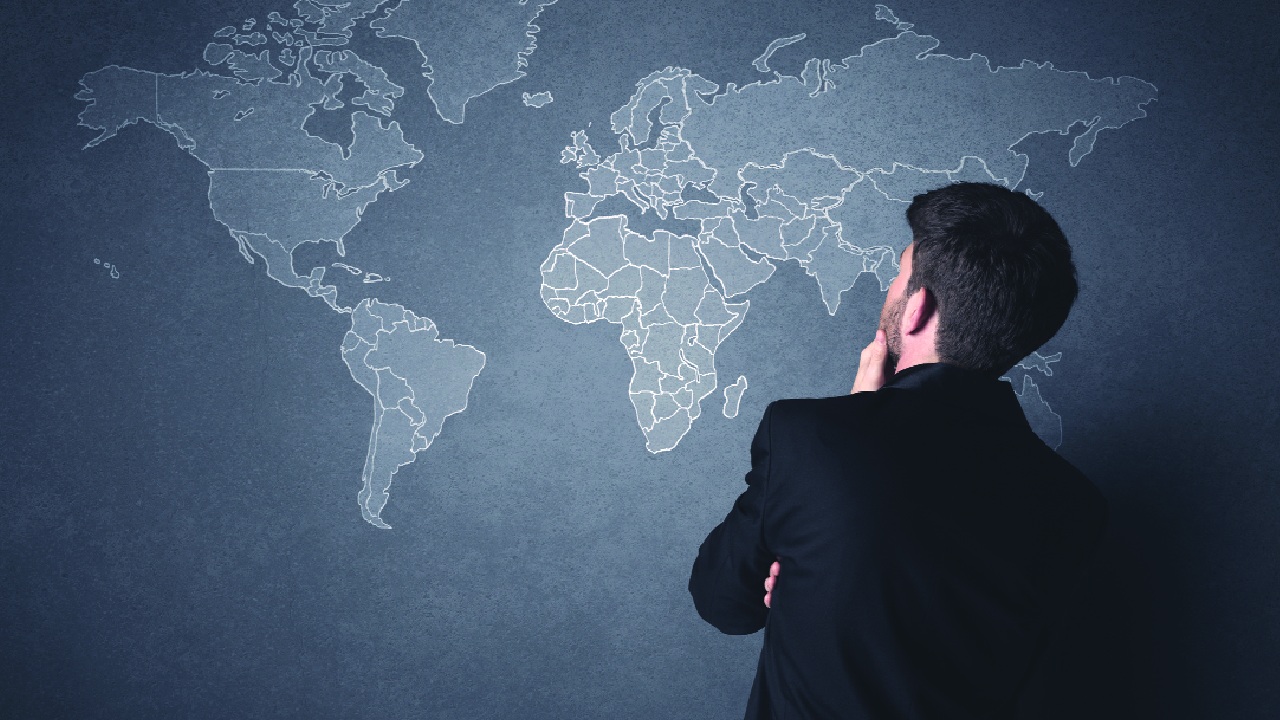
A few days ago, I asked a senior executive of one of the largest importers of raw materials a pertinent question. How does his firm manage to show higher profits, quarter after quarter, whether the input prices go up or down, many times dramatically in this disruptive world? His answer was intuitive, and counterintuitive. “We have an entire team, like a mini-firm, whose only job is to procure inputs at the cheapest possible prices from anywhere in the world,” he replied nonchalantly. In effect, the firm houses a mini-national external affairs ministry, or manages a diplomatic think tank that is possibly larger than most nations.
Over the past few years, as trade, tariffs, wars, assets, commodities, bullion, and bonds confound businesses, even CEOs from small firms feel the need to understand the science and art of diplomacy. In a McKinsey discussion last year, a panelist remarked, ‘The first question I get when I speak to CEOs is, ‘How do I get my own intellectual handle on what is going on?’ Whereas once they engaged on these topics at a steady but low level, they now realise they need a strong grasp on all these developments, and a ‘house view’ on which eventualities they need to plan around, at least on a contingency basis.”
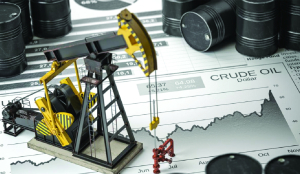
For decades, large MNCs, especially the global oil giants, have played politics, gamed geopolitics, and participated in diplomacy to protect their strategic assets, and further their operations. In his book, Private Empire, on ExxonMobil, author Steve Coll revealed the true extent of its global power. The book “pulls back the curtain, tracking the corporation’s recent history, and its central role on the world stage.” It shows how Exxon negotiates with presidents, prime ministers, kings, dictators, policy-makers, experts, civil activists, media, and judiciaries across the globe with a single-minded intention to earn more profits.
In this sense, some of the Indian business leaders, like Aditya Birla, Dhirubhai Ambani, and Ratan Tata were prescient. Since the 1980s, they have perfected the art of collating information from across the globe to understand world affairs, and profit from their insights. The answer that this article started with is another step in the same direction in a journey that started five decades ago. Understanding geopolitics was always crucial for ambitious businesses. Now, the urge and desire have engulfed the small firms, thanks to disruptions in the Gulf. Even a self-sufficient firm needs to understand the global effects.
Of course, one of the problems with this mindset is to get stuck in the short term, and forget about the long horizon. One of the McKinsey participants said that in the fast-paced and fast-changing geopolitics, the focus is on “near-term volatility, and not thinking strategically about the long-term.” He added, “Tariffs (or oil prices and supplies) may be the current focus, but leaders should think about how multiple drivers… are evolving, and the interplay between them. They need to develop multiple scenarios… and understand the effect of each… and then assess choices in terms of strategy, capabilities, and talent.”
Indeed, business leaders need to use both a microscope to look deeper, and a telescope to seek wider. The former enables them to deal with the issues about the here and now. The latter helps them to spot opportunities of the future that may be blurry at that stage. “While you are dealing with the short-term issues in the microscope, are you looking enough into the telescope?” questioned a McKinsey participant. The view in the microscope may look bleak, dismal, even dangerous, or force businesses to act promptly. But the view in the telescope may be bright, profitable, and full of markets to occupy.
For example, in several initial discussions in the boardrooms over the past 12-24 months, most businesses concluded that costs will go up, prices of finished products may not rise as fast, and margins will be squeezed. If the finished products’ prices are raised, there will be a cut in the market share, which will be gobbled up by the competitors. As the boards probed deeper, and for longer periods, they figured out that the impact of the current situation may be more severe on the competitors. Hence, if they can ride this out, surf it out, they may be in a better position to hike margins, and garner more market share.
This explains why the thinking processes lead different businesses to evolve varied ways to deal with the situations that seem forever in a flux. The Ambani clan thinks of the short-term, on how to maximise profits daily. In the long term, it is not bothered about missing a bus, train, or flight. It knows that even if it is the last entrant, it has the financial muscle, political influence, and ability to shore up skills and understanding to race ahead. This is what it successfully did in telecom, retail, and tech. The long term sorts out itself in its case.
Others such as Tata think in terms of the future, even as they grapple with the short term. Their eyes are forever on what they can do, rather than what they are doing. Hence, they will swim in murky waters with the sharks, and take risks, as the Tata group did with its audacious and ambitious global takeovers, getting out of businesses, and getting rid of the feudal business satraps. Obviously, some of the ventures did not yield the desired results, and had to be shed. They take calculated risks, unlike the Ambani family, which revels in post-risk calculations.
Kumar Mangalam Birla moves with steady pace, and assesses risks on a continuous basis. He takes decisions based on multiple inputs, searching here, scouting there, for opportunities and chances. His businesses are rooted in boardroom decisions rather than those that are taken in the corridors of power across the globe. Geopolitics, for Birla, is possibly one of the various available business tools, and not a crucial and overriding political and diplomatic weapon.
Ultimately, based on personality traits, and emerging ecosystem, “CEOs need to understand which geopolitical factors to prioritise…. Second, they need analytics to help them decide whether a particular scenario related to those important factors could affect them significantly. If not, do not clutter your thinking; focus on what can meaningfully move your business…. Third, they are putting in place event boards that help them track… (things) that matter. When one of those events transpires, they have plans in place.”