CBI deploys digital forensics in NEET-UG 2026 paper leak
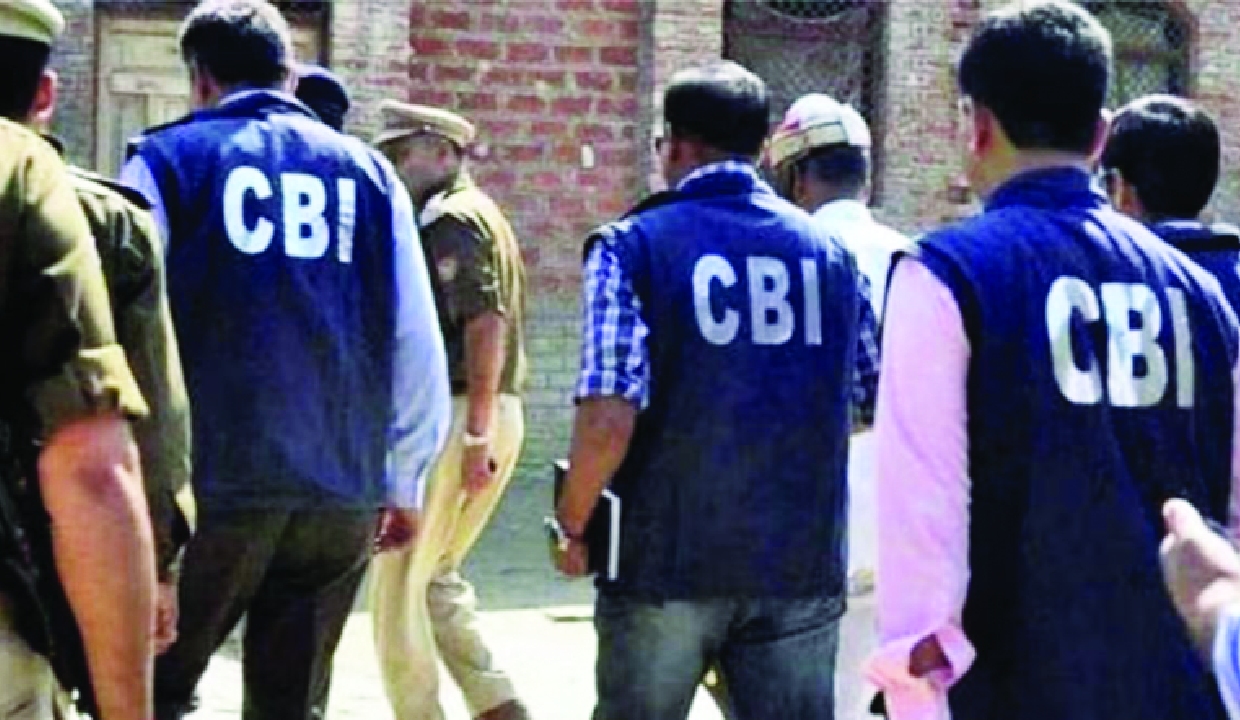
The Central Bureau of Investigation (CBI) has unleashed a textbook multi-pronged assault on the NEET-UG 2026 paper leak racket, blending old-school raids with cutting-edge digital forensics.
Just days after the exam’s cancellation on May 7, following the whistleblower’s explosive tip-off and the NTA’s intervention, the agency registered an FIR, took over from the Rajasthan Police’s Special Operations Group (SOG), and hit the ground running.
By May 13, five key arrests had been made: three from the Biwal family in Jaipur, one each from Gurugram and Nashik, with raids across 14 locations in multiple States.
The methods deployed reveal a sophisticated playbook tailored for modern exam mafias that thrive on Telegram, WhatsApp, and instant cash transfers.
CBI did not start from scratch. It leveraged SOG’s preliminary probe, which had already flagged a handwritten “guess paper” in Sikar matching 135+ questions from the real set.
The agency coordinated seamlessly with state police, absorbing local leads while asserting federal oversight. This hybrid model, State boots on the ground, central firepower, is standard CBI protocol in inter-state crimes, but was executed with unusual speed here. Special teams were dispatched within 48 hours of the FIR, targeting Nashik (printing hub), Sikar (coaching epicentre), and Gurugram (money trail node).
Raids were clinical as CBI teams swept multiple addresses, seizing mobile phones, laptops, and “incriminating materials” including PDFs of the leaked Physics, Chemistry, and Biology papers. Handwritten originals, scanned by the accused, Dinesh Biwal (father of an aspirant), were traced as the digital genesis point. Deleted chats, a favourite tactic of paper peddlers, are now under forensic recovery.
The agency is explicitly using “extensive technical and forensic analysis.” This phrase, repeated in CBI statements, signals the involvement of the Central Forensic Science Laboratory (CFSL) and possibly cyber cells. These groups focus on metadata extraction, IP tracing, and device imaging.
This is where CBI shines. Investigators are reconstructing payments ranging from Rs 20,000 to Rs 1 lakh per student to bulk deals of Rs 10-12 lakh. Bank accounts linked to intermediaries like Shubham Khairnar (who allegedly bought for Rs 10 lakh and resold for Rs 15 lakh) are being mapped.
Transaction timestamps are being cross-referenced with Telegram group activity and exam eve 4 AM leaks. In previous paper leak cases, CBI has used AI-driven pattern recognition on financial data; the same playbook is evident here to separate “small fry” students from the syndicate’s core.
The accused were remanded for seven days specifically to “identify other culprits, recover digital devices, trace financial trails, and probe possible involvement of NTA officials.” This is deliberate: CBI is now demanding from NTA the full chain-of-custody list, question setters, panel experts, professors, printers, and transporters. The agency is zeroing in on a potential “insider” compromise at the source, a vulnerability repeatedly exposed in past leaks. Statements from students, coaching staff, and arrested persons are being video-recorded and cross-verified to build an airtight case of conspiracy under IPC sections for criminal conspiracy and destruction of evidence.
CBI’s approach is aggressive and tech-forward: real-time social media monitoring of “Private Mafia” groups (one with 400 members under no-forwarding rules), tower location analysis, and forensic linkage of handwritten scans to digital PDFs. By publicising arrests and the recovery of evidence, the agency is also signalling its commitment to deterrence. Yet gaps remain visible.
The probe’s success hinges on cracking the “first leak”, how the paper exited secure facilities. If insider complicity at the NTA level is proven, it could trigger a larger institutional shake-up. So far, seven arrests and ongoing raids suggest momentum, but the real test is whether the net catches only distributors or the architects.
In essence, CBI is treating this as a commercial organised crime syndicate rather than a one-off academic breach. The methods, digital forensics, financial mapping, custodial deep dives, and inter-agency fusion- mirror global best practices for combating tech-enabled fraud. For 23 lakh aspirants whose futures were commodified on Telegram at 4 am, this is more than an investigation, a CBI official added.