CAQM tightens anti-pollution measures in Delhi-NCR
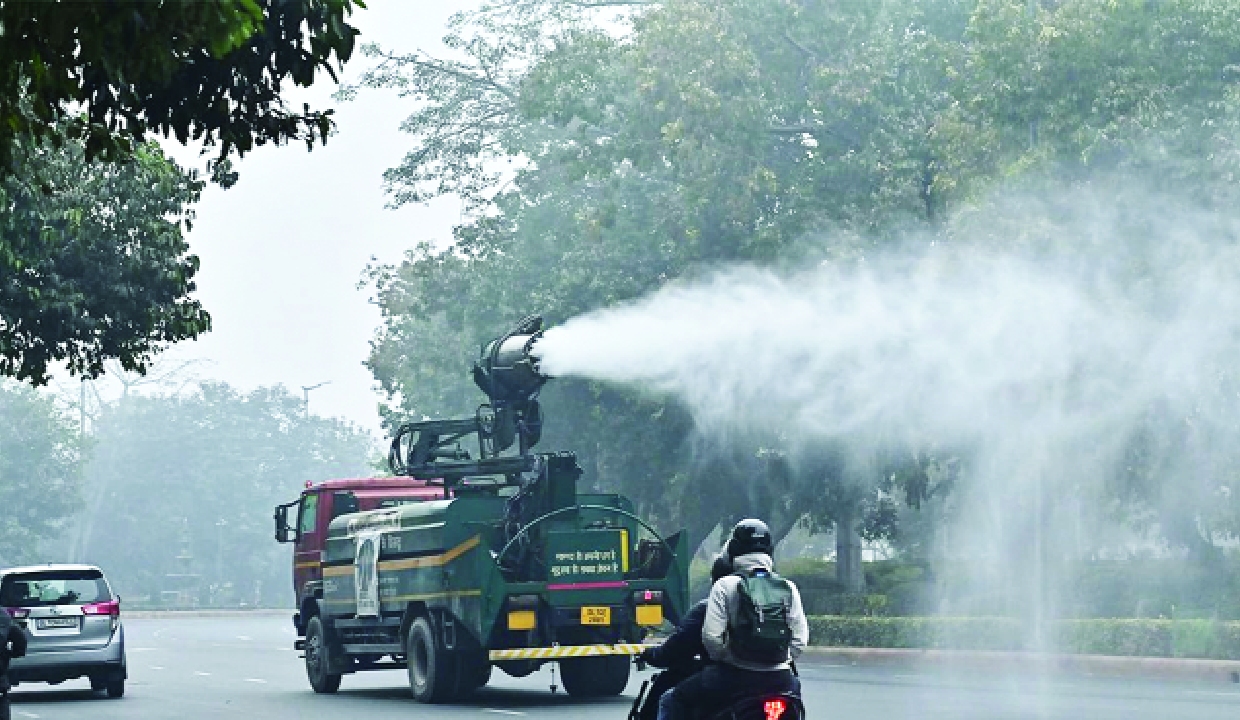
The Commission for Air Quality Management (CAQM) has approved a series of major anti-pollution measures for Delhi-NCR, including a phased shift to electric three-wheelers, restrictions on fuel supply to vehicles without valid pollution certificates and stricter action against stubble burning in neighbouring States.
The Commission also approved Draft Direction No 101, which proposes that fuel stations across NCR will supply fuel only to vehicles carrying valid Pollution Under Control Certificates (PUC) from October 1, 2026.
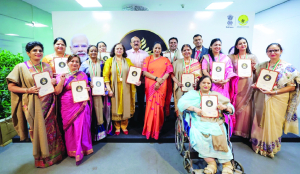
The decisions were taken during the 28th full commission meeting held virtually on May 15 under the chairmanship of CAQM Chairperson Rajesh Verma. Senior officials reviewed multiple issues linked to air pollution control across the NCR.
One of the key decisions taken during the meeting was the approval of Draft Direction No 100, which mandates registration of only electric three-wheelers of the L5 category in Delhi-NCR in a phased manner.
Under the plan, only electric passenger and goods three-wheelers of the L5 category will be allowed to be registered in Delhi from January 1, 2027. The rule will come into force from January 1, 2028, in high vehicle density districts adjoining Delhi, including Gurugram, Faridabad, Sonipat, Ghaziabad and Gautam Buddha Nagar. The remaining NCR districts will implement the rule from January 1, 2029.
The Commission said the decision was taken after experts identified vehicular emissions as one of the major contributors to PM2.5 pollution levels in Delhi-NCR. Officials said an expert committee constituted by the CAQM in December 2025 had also recommended a faster transition towards electric three-wheelers.
On the issue of mandatory PUC for fuel, the Commission said the step is aimed at reducing harmful vehicular emissions, including PM2.5, nitrogen oxides and carbon monoxide, which continue to affect air quality in the region.
During the meeting, officials expressed concern over a sharp rise in wheat stubble burning incidents this year. According to CAQM data, Punjab reported 8,986 incidents between April 1 and May 14 this year compared to 6,474 cases during the same period in 2025.
Haryana recorded 3,290 incidents during the period against 1,503 incidents last year. The Commission directed State Governments and enforcement agencies to strengthen monitoring and take strict action against violations.
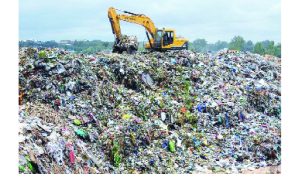
The Commission also reviewed annual anti-pollution action plans prepared by NCR states and the Delhi Government covering transport, industrial emissions, dust control, waste management and crop residue burning. CAQM said a digital monitoring portal is also being developed to track implementation of these measures.