BRICS Summit 2026: New Delhi Declaration, Global South focus dominate final day
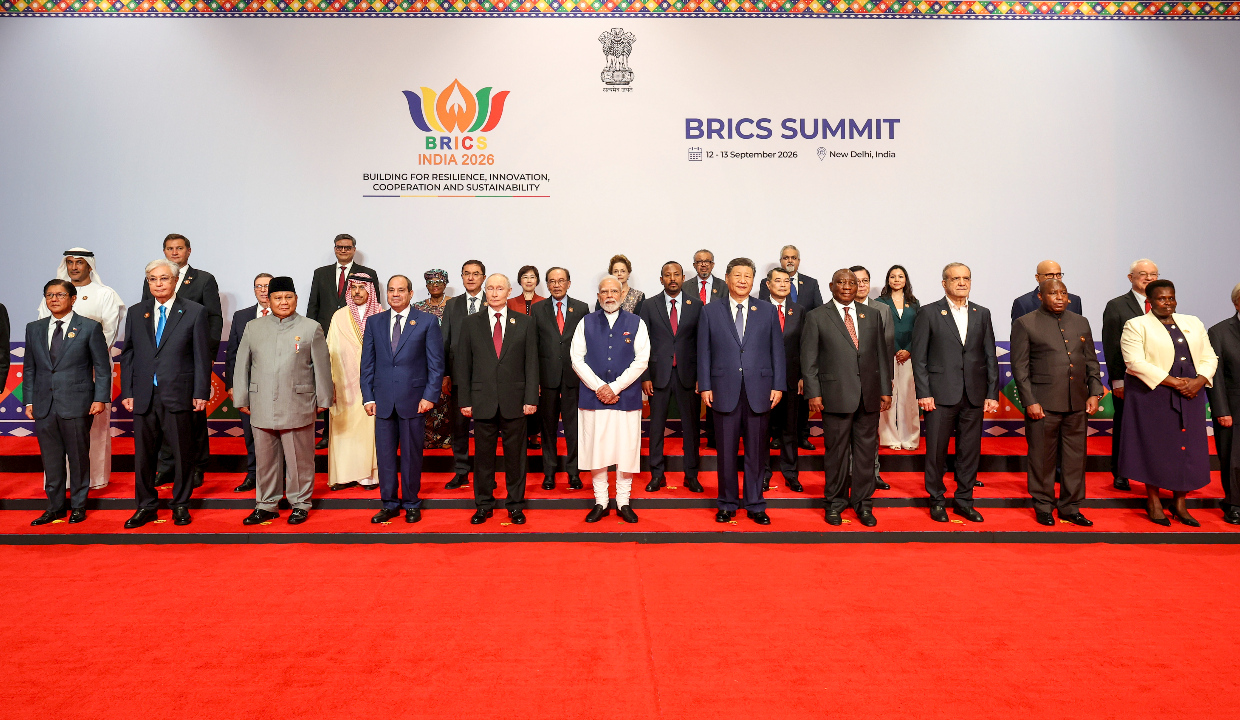
The second and final day of the 18th BRICS Summit unfolded in New Delhi on Sunday, September 13, with India hosting the gathering at Bharat Mandapam under its chairship theme, "Building for Resilience, Innovation, Cooperation and Sustainability." This marks India's fourth time at the helm of BRICS, having previously chaired the grouping in 2012, 2016 and 2021. Through its current presidency, which began January 1, 2026, India has organised more than 350 meetings and high-level events across 25 cities, structured around three pillars: political and security cooperation, economic and financial cooperation, and cultural and people-to-people contact.
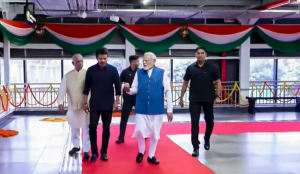
Proceedings on Sunday began around 10 am with the arrival of heads of state and government, followed by the customary group family photograph, before leaders moved into the open session titled "Resilience, Innovation, Cooperation and Sustainability: Shaping the Future for Inclusive Global Growth."
Addressing the session, Prime Minister Narendra Modi said escalating geopolitical tensions were adversely affecting ordinary lives across the globe and called on BRICS nations to unite in driving inclusive growth, with particular focus on the Global South. He also flagged concerns over the "weaponisation of technology and critical minerals," warning this could hinder shared progress and prosperity. Modi spoke in the presence of Chinese President Xi Jinping, Russian President Vladimir Putin, Iranian President Masoud Pezeshkian, Malaysian Prime Minister Anwar Ibrahim and Indonesian President Prabowo Subianto, among other leaders.
Following the open session, Modi held a series of bilateral meetings, welcoming South African President Cyril Ramaphosa, Kazakhstan President Kassym-Jomart Tokayev, Philippines President Ferdinand Marcos Jr, Egypt's leadership, Burundi President Evariste Ndayishimiye, Uganda's Vice President Jessica Alupo, and Nigeria's Vice President Kashim Shettima — part of India's broader outreach to African and Asian partners. These followed Saturday's meetings with the UAE's Sheikh Khaled bin Mohamed bin Zayed Al Nahyan, Malaysia's Anwar Ibrahim and Ethiopia's Abiy Ahmed Ali at Hyderabad House. Separately, Egyptian President Abdel Fattah El-Sisi met Putin on the sidelines of the summit.
Sunday's discussions built on Saturday's unanimous adoption of the New Delhi Declaration 2026, which Modi described in a series of posts on X as reflecting a BRICS "wider in reach and stronger in purpose," with the declaration emphasising innovation, sustainability and people-to-people ties, and aiming to make cooperation more practical and development-oriented. Ramaphosa, addressing the BRICS Business Forum a day earlier, had called the grouping's current moment an "inflection point" amid shifting global trade patterns and technological change.
The summit formally concluded in the evening as Xi Jinping departed New Delhi after wrapping up his participation in the two-day gathering chaired by India.