Blasé Capital UNDER THE RADAR
First, he fought with the trustees, who opposed him, or his loyalists. He won that war in a handsome manner, acting shrewdly and smartly, despite making legal blunders on the way. After he got control of the Tata Trusts, which are majority owners in Tata Sons, he unleashed his whip against the latter’s chairman, N Chandrasekaran, who ironically had supported him. Like the late Ratan Tata, his successor, Noel Tata, has decided to take on entrenched and powerful insiders. Ratan won those battles, and became the absolute emperor. Noel, who was invariably treated as an underdog, wants to repeat history. Hence, it is not surprising that the boardroom battles within Tata Sons, which is the parent for the group, have become a matter of public speculation. Like in the case of the trusts, this is not about individuals, or a company, or even the sprawling salt-to-software, steel-to-seeds empire. It is about the impact on India Inc, and the Indian economy.
The issue under the microscope is about Chandrasekaran’s new stint, as his current one expires in 2027, and his reappointment in Tata Sons requires a special board resolution to exempt him from the company’s retirement policies after the age of 65. He turns 63 this June. But he will cross 65, if appointed for five years beginning 2027. During the battle for the trusts, as Chandrasekaran tacitly supported Noel, it was thought that the former’s reappointment will be a breeze, and a given. No one was likely to oppose it, especially as he was handpicked by Ratan in 2017, after yet another corporate battle between the Tata and Mistry family. Possibly, this is a bone of contention now. Noel needs to decide if he wants to continue with Ratan’s appointee, who has gained respect in the corporate circles, or get his own man (or woman). It is a tricky decision, and needs trickier and twisted maneuvers.
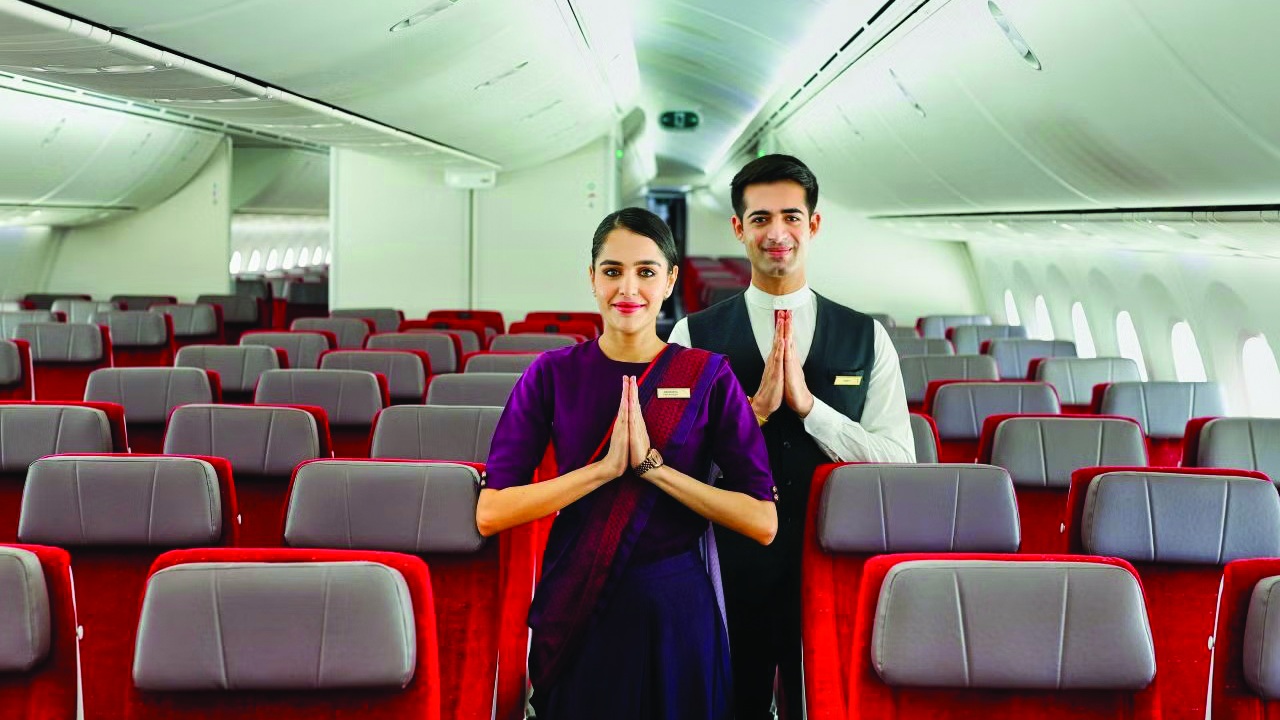
According to some media reports, Noel has kept four conditions for the reappointment. One, a promise that Tata Sons will not be publicly listed. Two, Tata Sons needs to remain debt free in the future. Three, the cash reserves and coffers need to be full, and not emptied via excessive capex, especially in risky ventures and investments. Finally, the huge losses from past acquisitions, like Air India and Big Basket, need to be curtailed, reduced, or eliminated. Each of these have a legacy, and goes back to Ratan’s tenure in some way or the other. The issue of listing was foremost in Ratan’s mind, and hung over him like a sword. Somehow, he escaped the bullet. In fact, he made Tata Sons debt free to escape the clutches of the central bank’s rule that dictated a listing. For years, Tata Group firms gave high dividends to fill up Tata Sons’ coffers. Tata Sons gave higher dividends to help the trusts fulfil their philanthropic work. Ratan’s tussle with Cyrus Mistry was mainly about the losses incurred by acquisitions during the former’s tenure.
Noel’s reasons are a bit different, but linked to Ratan’s legacy. The former wants to avoid listing because there will be additional pressures on the operations and decision-making due to the entry of large, institutional, high net-worth, and even public shareholding. They may wish to delink the connections with Tata Trusts for corporate governance reasons. This will dilute Noel’s powers. Debt-free mindset is the same as Ratan to avoid any confrontation with the central bank. Cash reserves are critical to fund Tata Trusts’ works. There are mismatches and issues related to what the trusts earn from Tata Sons due to their large shareholding, and what they spend. Losses from new acquisitions, especially those which were due to emotional, sentimental, or egoistic reasons are a bane of contention. In the past, a professional-insider, Mistry accused a family member, Ratan, of loss-making European takeovers in steel and auto sectors. Now, a family member, Noel, accuses Chandrasekaran, a professional-insider (Ratan treated him as a family member), of making the same mistakes with deep holes like Air India, largely because it was started by Tata patriarch, JRD.
At present, the issue about reappointment of Tata Sons’ chairman hangs in a balance. Most board members, except Noel, and his trusted loyalist, Venu Srinivasan, a Tata Trust appointee, support the chairman. They contend that the listing will be decided by the laws, the decision to fill up cash reserves depends on the group firms, and losses are normal in greenfield projects. One of the board members, who is head of the reappointment committee, says that the losses have been provided for. Although one is not sure since Tata Sons has enacted new rules, and changed old ones after Noel came into the picture, the Tata Trusts’ board appointees have a veto power, which may or may not come into play for a special reappointment resolution. In addition, Chandrasekaran does not wish to do anything that may anger Noel. This is why he did not listen to the board members who wanted to put the issue to vote, and instead deferred the discussion. Publicly, he maintains that Tata Sons and Tata Trusts need to work together, in unison, in the spirit of the Tata legacy. Privately, he does not want a public war, as was the case between the various trustees.