Bihar, Jharkhand sign Sone river water pact
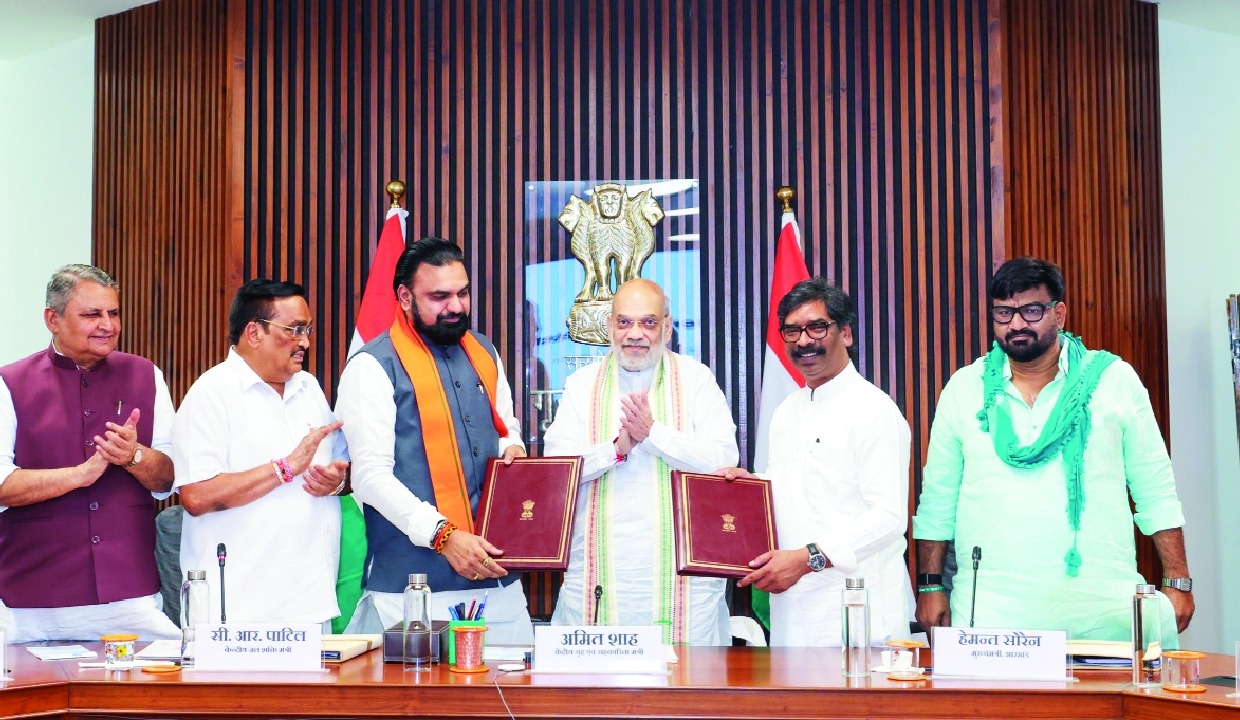
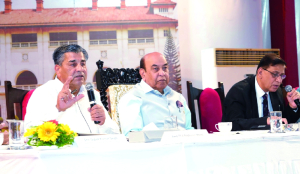
Bihar and Jharkhand on Monday signed a long-awaited water-sharing agreement for the Sone River with Union Home Minister Amit Shah present. Bihar Chief Minister Samrat Chaudhary and Jharkhand Chief Minister Hemant Soren signed the historic agreement. This ends a 25-year dispute and opens the way for irrigation, storage, and power projects that officials say will directly help farmers in both states. The Sone River, a major southern branch of the Ganga, supports farming across the eastern plains.
Shah announced that the agreement between Bihar and Jharkhand has settled a long-standing water dispute in eastern India. He explained that the agreement will bring irrigation water to hundreds of thousands of farmers in rural Bihar and Jharkhand, and also supply drinking water to local communities.
The Home Minister said that today’s agreement on sharing the Sone River’s waters shows the success of the ‘Team Bharat’ vision and cooperative federalism promoted by Prime Minister Narendra Modi. He noted that although each state has its own identity, working together as ‘Team Bharat’ helps solve any problem. Shah also mentioned that this is the fourth water agreement between states this year, which will improve water access for irrigation, rural development, and drinking needs.
The agreement splits the 7.75 million acre-feet (MAF) of water originally given to undivided Bihar under the 1973 Bansagar Agreement among Madhya Pradesh, Uttar Pradesh, and Bihar. Now, Bihar will get 5.75 MAF, and Jharkhand will get 2.0 MAF, following a formula suggested by a Central Water Commission technical committee with members from both states.
The dispute started after Jharkhand was created from Bihar in November 2000. Jharkhand claimed that much of the Sone catchment was in its area and wanted a clear share from the Bansagar system. Bihar continued to use the 1973 agreement and kept drawing water from the Sone canal network. This deadlock delayed central approvals and put the planned Indrapuri reservoir on hold.
The breakthrough occurred at the Eastern Zonal Council meeting in Ranchi on July 10, 2025, which Shah chaired. Later, both state cabinets approved the draft agreement. Officials said that the formal signing removes the last legal barrier to joint planning for the river. For Bihar, the main benefits are a reliable water supply through the Sone canal system and approval to turn the Indrapuri barrage in Rohtas into a full reservoir. The reservoir will be built between Kadwan in Jharkhand’s Garhwa district and Matiwan in Bihar’s Rohtas district, with a planned storage of about 4,170 million cubic metres.
Officials say this will help stabilise irrigation in eight districts: Bhojpur, Buxar, Rohtas, Kaimur, Aurangabad, Patna, Gaya, and Arwal, which have long depended on monsoon rains and delayed water releases from upstream dams. The project also includes a 300 MW hydropower unit, which will provide extra electricity for the region.
Bihar officials said the state was already using much of its previous water share and that having a clear formula would enable a new, detailed project report and faster construction. Farmers in southern and central Bihar will get more reliable water for rabi and kharif crops, which should reduce crop losses during dry years.
For Jharkhand, this agreement is the first time its share of Sone water has been formally set. The 2 MAF allocation ends years of uncertainty. It lets the state plan its own irrigation, drinking water, and industrial projects from the river, which covers Garhwa and nearby Palamu-belt districts. Since the Indrapuri reservoir will cross the state border, Jharkhand will also have a stake in a major storage project, instead of just being an upstream catchment state. Officials in Ranchi said this settlement closes a claim that started soon after the state was formed.