Bangladesh rallies against India’s deportations
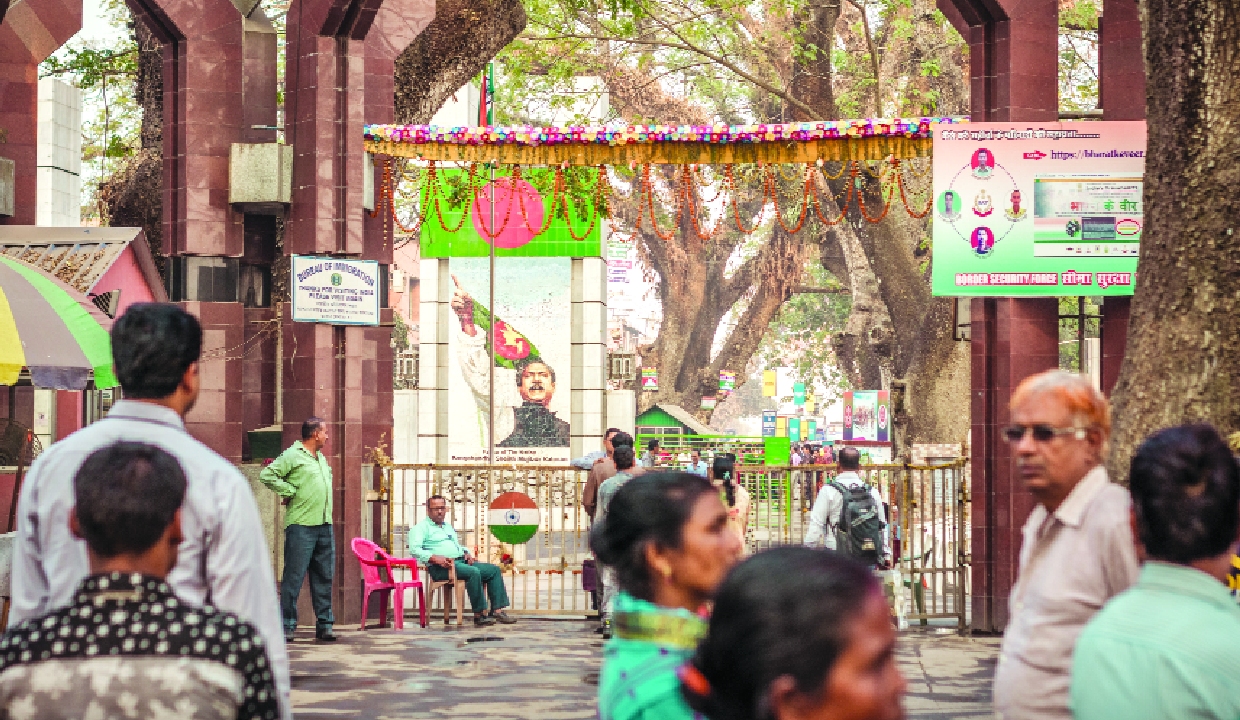
Eleven parties, led by Bangladesh’s Jamaat-e-Islami, plan to hold protest rallies at several India-Bangladesh border points on Friday, June 12, and a larger demonstration in Dhaka on June 15. They say they are protesting push-ins by India and claim that Bangladeshi citizens have been killed along the border.
Addressing the media on Wednesday, Jamaat-e-Islami’s central office in Dhaka, alliance coordinator Hamidur Rahman Azad accused India of violating Bangladesh’s sovereignty through alleged push-ins. He cited reports that over 2,479 people were pushed across more than 50 border locations between March and May 2026. He also said that 19 Bangladeshis were killed and 24 were injured by BSF firing in the first 100 days of the current Bangladeshi Government.
Recent drives, particularly after State elections in border-States, have seen thousands of undocumented Bangladeshi nationals processed for repatriation. West Bengal alone has reported deporting over 4,800 such individuals in recent months under its current administration.
New Delhi has urged Dhaka to expedite pending verifications; over 2,860 suspected Bangladeshi nationals were flagged in one recent communication. Where Bangladesh cooperates, orderly repatriation occurs. Delays or reluctance on the other side complicate matters, leading to practical challenges on the ground.
Nasiruddin Patwary, Chief Coordinator of Bangladesh based National Citizen Party for a stronger BGB and asked border communities to form a human shield, “So that terrorists, smugglers or criminals cannot enter Bangladesh.” These comments come as political activity increases in Bangladesh after the 2024 political transition and elections. Jamaat-e-Islami, which India has long viewed with concern because of its history and ideology, has become more popular in several border districts.
The timing is significant because the 57th Director General-level Border Coordination Conference between India’s Border Security Force (BSF) and Border Guard Bangladesh (BGB) is ending in New Delhi this week, from June 8 to 11.
The current BSF-BGB conference in the capital is the highest regular forum for resolving these issues, push-backs, alleged killings, fencing gaps and trans-border crime. Both sides have mechanisms to manage differences, and India has invested heavily in smart fencing, surveillance, and rapid-response capabilities along the frontier.
“India respects Bangladesh’s sovereignty and seeks a friendly, stable neighbour. It will, however, exercise its sovereign right to control its borders and deport illegal entrants”, a senior official involved in the process said.
From New Delhi’s standpoint, the narrative of ‘push-ins’ differs from India’s view of a legitimate exercise of sovereign authority.
India has long grappled with large-scale illegal immigration from Bangladesh, and this porous 4,096-km border has fuelled economic migration and security concerns, including infiltration linked to crime syndicates, radical elements and demographic pressures in states like Assam, West Bengal and Tripura.
Successive Indian Governments have pursued a ‘detect, delete, deport’ approach.
India maintains that these are not arbitrary expulsions but actions against foreign nationals who are present illegally, often following due verification. In that framework, Indian officials have repeatedly stated that a bilateral mechanism exists for nationality verification. Cases are referred to Bangladesh for confirmation before formal deportation.
India has consistently advocated zero tolerance for violence while emphasising that BSF personnel operate under strict rules of engagement in a challenging environment of smuggling, cattle theft and human trafficking.
India has faced similar provocations in the past and views them as escalatory rather than constructive. Border management is a state responsibility, not a matter for political mobilisation that blurs lines between civilians and security forces. India expects Bangladesh to strengthen its own border controls and address the root drivers of outward migration, primarily economic. Stable bilateral relations benefit both nations through trade, connectivity and people-to-people ties. However, these cannot come at the cost of India’s internal security and demographic integrity.