At Manesar NSG Training Academy, women step into the world of Black Cats
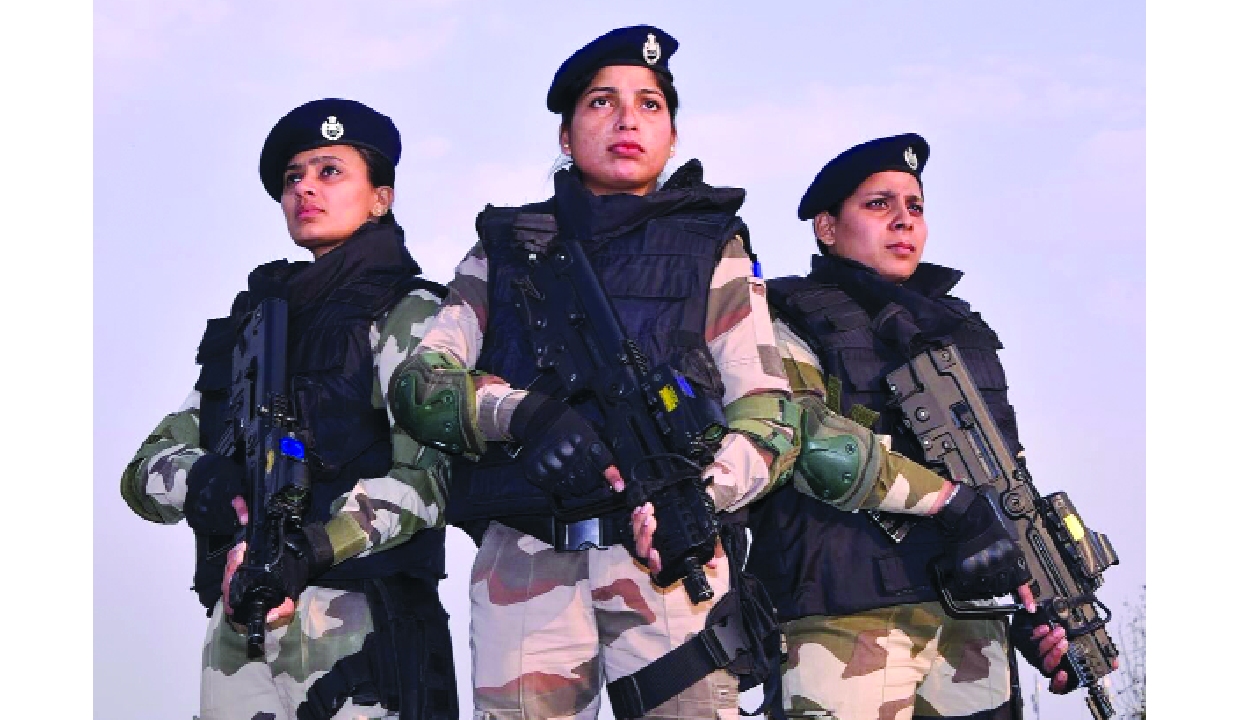
At the National Security Guard (NSG) Training Academy in Manesar, a different kind of silence now pervades the parade ground; it is not the quiet usual at a ceremony, but the calm that precedes a difficult challenge. On 24th August, the NSG began its first Mahila Commando Conversion Course, known as the 1st MCCC, for women selected from the State Police Forces and the Central Armed Police Forces.
This 12-week residential program trains women already in uniform to become commandos. They will learn counter-terror skills such as physical conditioning, weapons handling, marksmanship, tactical intervention, hostage rescue, and other high-risk capabilities that have made the Black Cats unique.
The course continues until mid-November. After it ends, the women will return to their original units rather than remain with the NSG. They will bring their new skills to their state and central teams, helping to create a common approach across India’s security forces.
This is the purpose of a ‘conversion’ course. It is not meant to recruit women into the NSG, but to build elite skills so that each force does not have to start its own training from scratch. For years, adding women to Indian police and CAPFs has focused on inclusion, with more women on patrol, at checkpoints, and in public roles.
The Manesar course is different. The NSG says the first MCCC is not just about having more women in security jobs, but about giving them the skills needed for the toughest specialist roles in internal security.eads”. The training reflects this message. Trainees will face tough physical exercises, live-fire shooting, close-quarters tactics, and hostage-rescue drills. In counter-terror operations, these skills are essential. Buildings are cleared in seconds, and hostages and gunmen may be in the same room. A missed shot, a late move, or a wrong command can change everything.
By training women from different forces together, the NSG is encouraging cross-agency teamwork. Officers and constables who train together are more likely to cooperate during a crisis affecting multiple areas. One group in the first batch is from Rajasthan: 25 women from the RAC’s 5th Battalion, Ghatgate, who started the course on August 24. Others from state forces and CAPFs have also joined, but the NSG has not shared the total number of trainees.
The NSG was set up as a federal force for counterterrorism and anti-hijack operations. Its Training Academy in Manesar teaches these skills to a high standard. Bringing this training to women already serving in police and paramilitary units shows two things. First, India’s internal security is no longer just male teams. Women already serve in airports, metros, busy markets, pilgrim towns, and areas near conflict zones.
In many of these places, a woman commando is more than a symbol. She brings a real advantage because she can search, question, enter, and rescue where male teams might face social or tactical barriers.
Second, specialist skills are still limited to a few. If only a small group of NSG operators have the top counter-terror expertise, the country’s response remains centralised. Training women and sending them back to their own forces helps expand that group without lowering standards. The course will be tough. This is not just a slogan, but the real plan. Commando conversion is meant to be selective, even after the first round of selection. Those who finish will leave with more than a certificate. They will return with habits of fire discipline, teamwork, and crisis timing that others in their units can learn from.
Whether the first MCCC is a one-time event or the start of a regular program will depend on what these women do after November. It will depend on how they train others, how their forces use them, and whether commanders see them as specialists or just symbols. The NSG has already made its choice.