Agra to use treated wastewater for irrigation, at metro stations
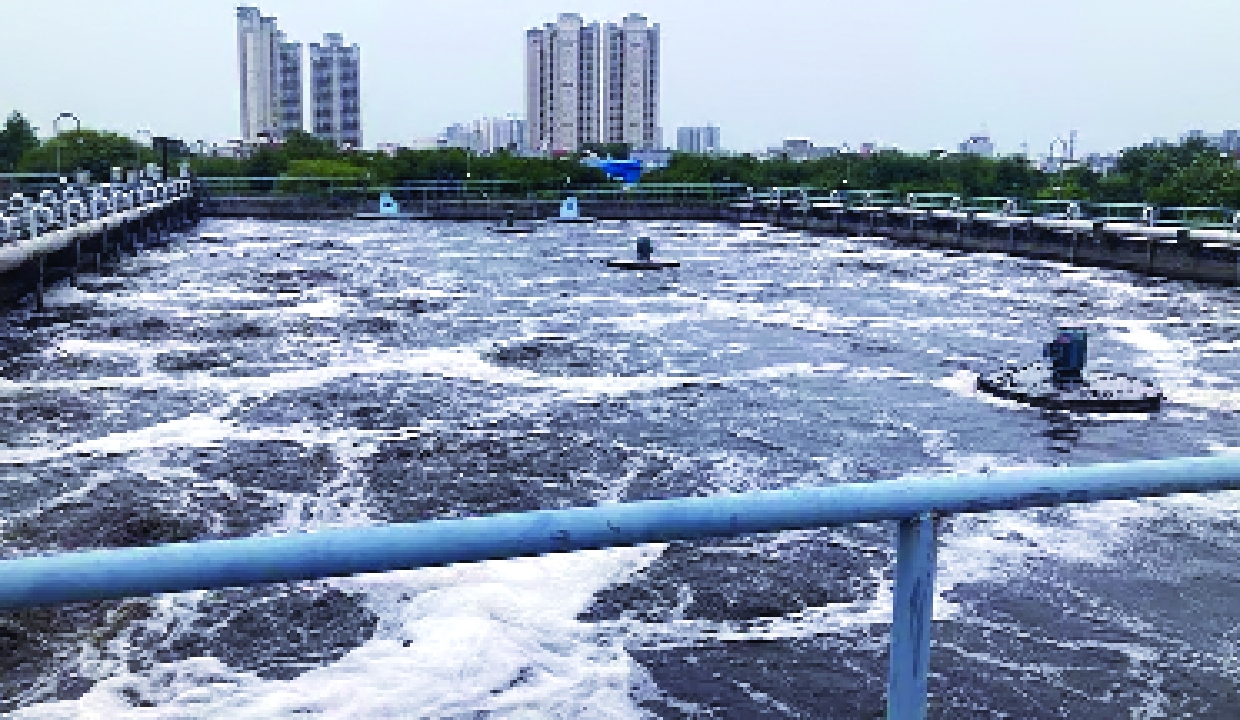
Agra will use treated wastewater for irrigation, rejuvenation of lakes and across railway and metro stations, as part of its city-level water recycling plan, the National Mission for Clean Ganga (NMCG) said on Monday.
The NMCG said the city, situated on the banks of the Yamuna, generates nearly 286 million litres per day (MLD) of sewage. Nine sewage treatment plants (STPs) together have a treatment capacity of more than 220 MLD, while three more STPs are under construction. The city-level water reuse action plan aims to treat wastewater as a resource rather than a liability and expand its use across multiple sectors, it said.
According to the NMCG, the Jaganpur Dayalbagh STP already supplies 14 MLD of treated water for agricultural irrigation, while the Pilakhar STP provides 5 MLD of treated water for waste-to-energy operations.
Under the next phase of the plan, treated water from the Dhandhupura STP will be supplied to the Agra Cantonment railway station and 11 metro stations. The Jaganpur STP will cater to the water requirements of 10 metro stations, besides parks and a lake, while the Bichpuri STP will supply 21 MLD of treated water to Keetham Lake, the lifeline of the Soor Sarovar Bird Sanctuary. The three projects will together facilitate reuse of 42 MLD of treated wastewater, at a cost of nearly Rs 93 crore. “Agra is known to the world for the Taj Mahal. Now this city is carving out another identity. That of a city that fully understands the value of its water.
“Fields will flourish, stations will shine, the lake will breathe, and not a single drop of fresh water will be used for any of these tasks. This is the mature thinking of water management, where the city itself creates a balance between its needs and its resources,” the NMCG said in a post on X. Last week, the safe reuse of treated wastewater figured prominently during the 19th meeting of the Empowered Task Force on Ganga Rejuvenation, where Union Jal Shakti Minister C R Paatil directed states and urban local bodies to expedite reuse projects while ensuring strict compliance with prescribed quality standards.
Chairing the meeting, Paatil reviewed the progress of the Namami Gange programme and stressed that treated wastewater meant for irrigation and other applications should undergo regular quality monitoring to safeguard public health and agricultural productivity.
The meeting also reviewed the completion of city-level water reuse action plans for Agra, Prayagraj and Varanasi, identifying opportunities for using treated wastewater in sectors such as thermal power, railways, urban landscaping and irrigation.