India growth seen at 7% in FY27, ADB raises forecast despite West Asia risks
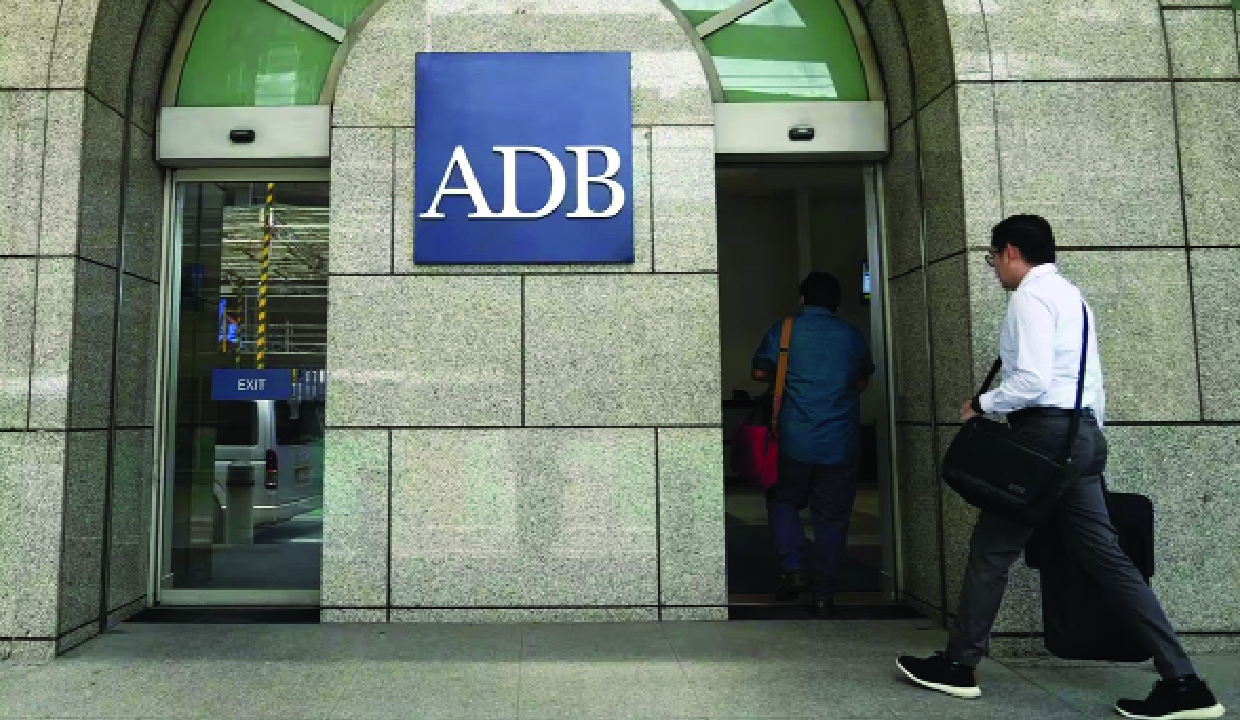
The Asian Development Bank (ADB) on Wednesday raised its forecast for India’s economic growth in FY27 to 7 per cent from the 6.6 per cent projected in July, citing stronger-than-expected economic activity in the first quarter despite supply disruptions linked to the West Asia conflict.
In its Asian Development Outlook (ADO) September 2026, the multilateral lender said India’s GDP grew 7.8 per cent year-on-year in the first quarter of FY27, driven by strong investment demand, resilient consumption and solid expansion in manufacturing and services.
ADB said the impact of the Middle East conflict was cushioned by lower-than-anticipated supply disruptions, continued capital inflows and limited transmission of higher input costs to consumer prices. Strong infrastructure spending and supportive fiscal and monetary policies have also helped sustain growth, it said.
ADB Country Director for India Mio Oka said continued strength in services, including AI-related investments, along with improving farm productivity and steady manufacturing growth, should support the expansion.
The bank, however, lowered its FY28 growth forecast to 7.1 per cent from 7.3 per cent, mainly because of the stronger base created by higher growth in FY27.
Domestic demand is expected to remain the primary growth driver through FY27 and FY28, supported by robust tax collections, relatively low interest rates, rising household incomes and the expected revision of government salaries and pensions.
ADB also cut its FY27 inflation forecast to 5 per cent from 5.2 per cent, while retaining its FY28 projection at 4 per cent. It said inflation could ease as energy prices moderate and agricultural supplies recover under a normal monsoon.
Public spending remains a major growth driver, with central government capital expenditure rising 29.9 per cent in the first quarter and remaining on course to meet the annual target of an 11.5 per cent increase.
Private investment is expected to strengthen further, supported by logistics improvements, regulatory reforms and a strong project pipeline. The fiscal deficit is projected at around 4.3 per cent of GDP, while the current account deficit is expected to widen in FY27 before narrowing in FY28.
ADB said prolonged geopolitical tensions and weather disruptions associated with El Nino remain key risks, potentially affecting farm output and raising industrial input costs. Services and construction, however, are expected to remain resilient.
with inputs from PTI