A fierce modern rebellion
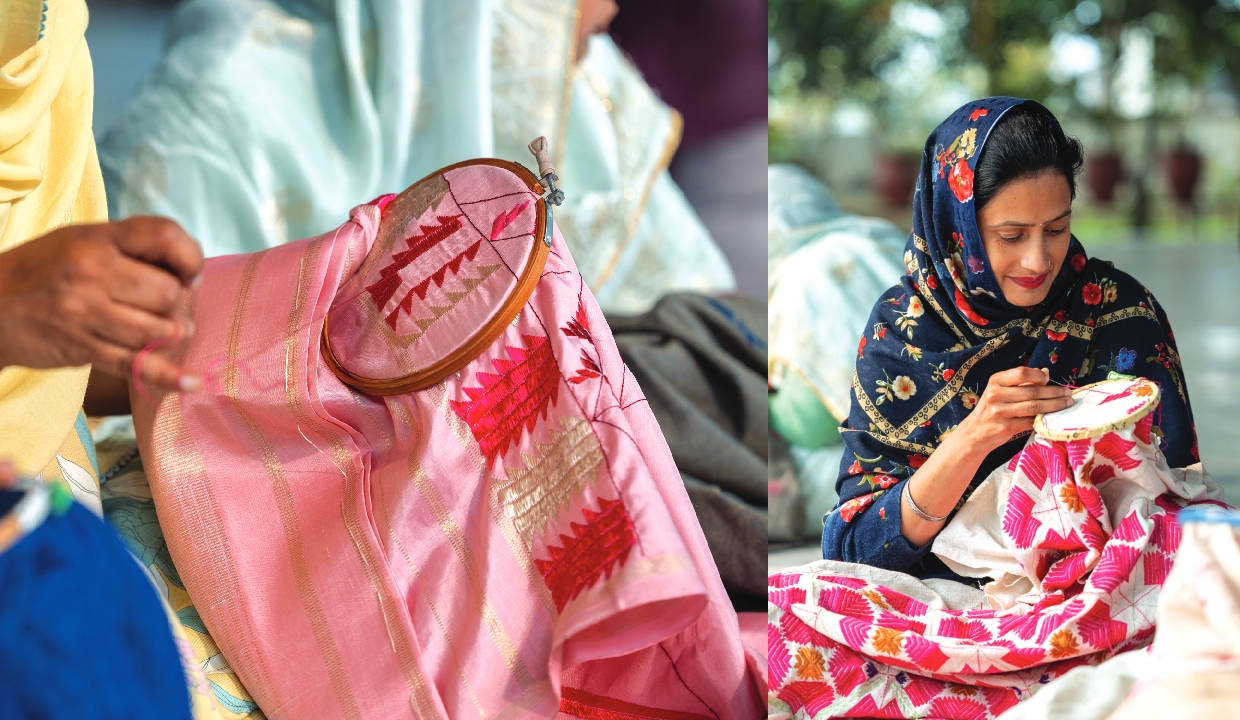
Five centuries ago, women across the plains of rural Punjab began counting threads, relying entirely on their eyes and hands to build complex floral embroidery from scratch without the use of tracing stencils or stamps. Born in a region that experienced as much brutal conflict as grand celebration, this craft, known as Phulkari, slowly became a quiet language of resistance and resilience for the women who carefully stitched it.
That exact fifteenth-century technique is currently experiencing a vibrant revival in New Delhi, as The Nabha Foundation and HMEL bring the ‘Phulkari of Punjab’ showcase to the National Crafts Museum. Walking through the exhibition space, visitors find rare, breathtaking Baghs displayed alongside generations-old shawls and dupattas, offering a stunning visual history where the true heartbeat of the event remains the rural artisans themselves.
Following the early philanthropic vision of Princess Jeet Nabha Khemka, the Foundation began a dedicated effort back in 2007 to track down artisans and save the authentic darn-stitch method before it vanished entirely. What began as a quiet rescue effort for a fading art form has blossomed into a self-sustaining livelihood programme, with Executive Director Shubhra Singh noting that over 400 women from marginalised households across Punjab currently earn a dignified living while their artistry catches global attention.
The runway segment pushed those traditional boundaries even further when designer Pratima Pandey introduced a collaborative collection called Marzi, a word that translates to choice and fierce independence. Pandey played around with grids and spaces to capture different stories while bending the old rules entirely, sending women down the ramp wearing silhouettes traditionally reserved for menswear.
Sheer Chanderi skirts brought a gentle flow to the structured, cropped jackets, while an aboriginal-style saree and a retro knee-length dhoti offered a clear nod to the classic lungi.
The rural women practising this craft daily remain the absolute core of the showcase by lifting a deeply historical tradition and grounding it firmly on a modern runway. Seeing these ancient threads effortlessly own a contemporary runway leaves you wondering exactly what other forgotten cultural stories are out there waiting to be unspooled.
Back in 2007, a quiet search for the last remaining needles saved a dying art from a certain death
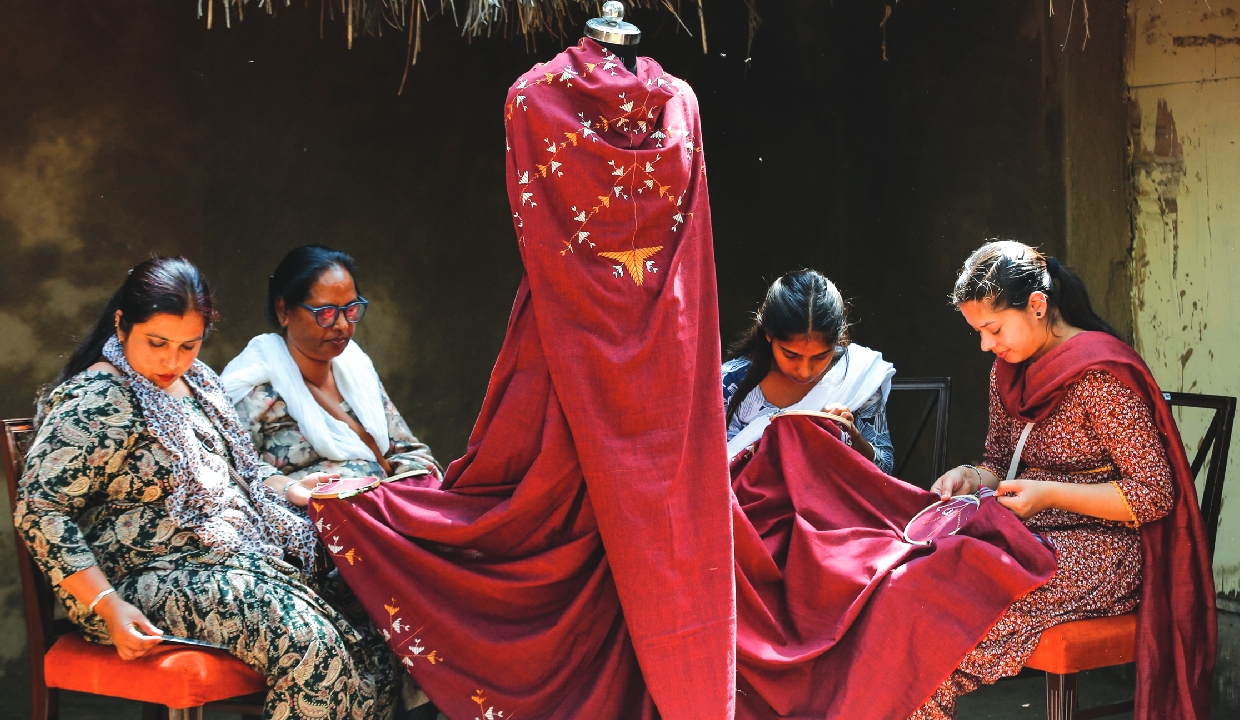
Yet the needles keep moving in Punjab. These old threads are changing contemporary fashion. It forces an obvious question. What other forgotten stories are waiting to be unspooled?