A Brew-tiful Experience

Moving beyond instant caffeine hits, Indian coffee lovers are reclaiming the morning ritual. We examine how massive chains and boutique brewers perfect the pour, says SAKSHI PRIYA
How did a frantic flock of goats on an ancient Ethiopian plateau dictate our modern morning rituals? A goat herder named Kaldi started this whole obsession centuries ago when his flock chewed on some weird red berries. Fast forward to now. We tap apps for a coffee fix in under ten minutes flat. But honestly? I’ve noticed a real shift. More of us want to hit pause and bring the slow brew back. Why do we still crave the physical grind and rising steam? For true purists, the ritual demands raw authenticity. They strip away the sweet hazelnut and caramel syrups to reveal the unflavoured beauty of a classic roast, where the natural bitterness and acidity tell the real story of the soil.
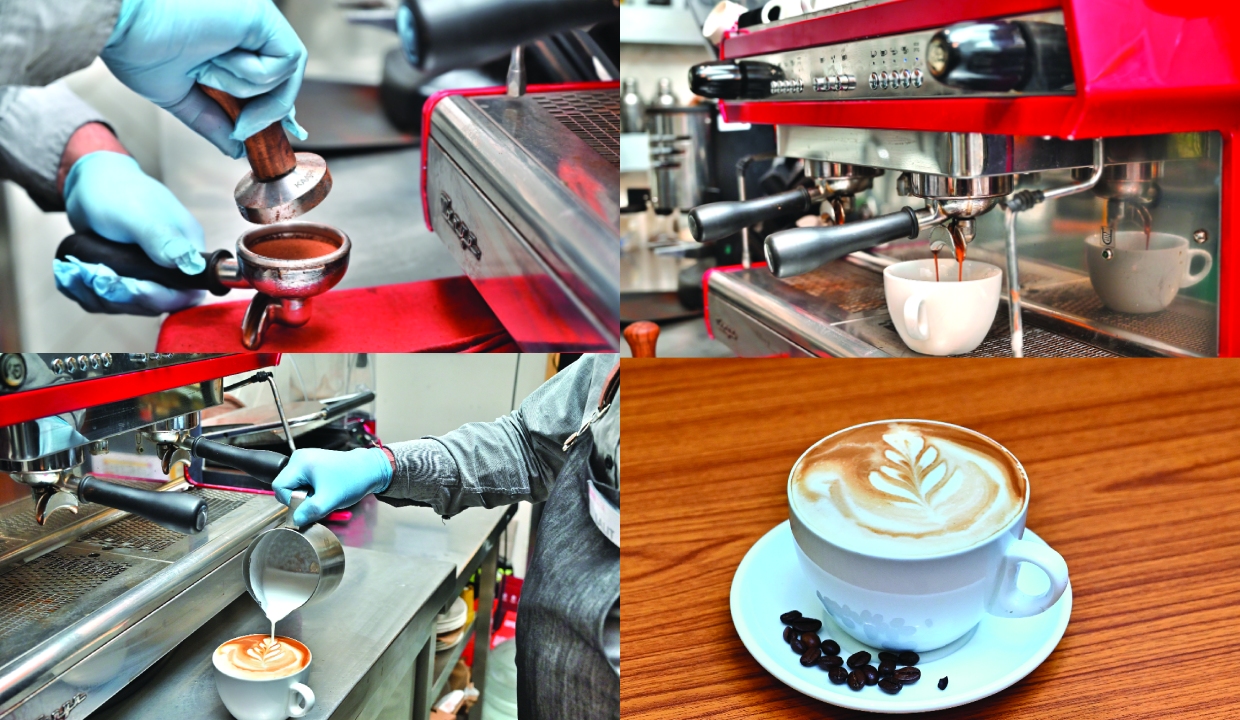
To understand how this deep devotion took root in India, we must examine the institutional pioneers. Barista Coffee Company opened its doors in the year two thousand to introduce a truly Italian espresso environment. Can massive scale genuinely coexist with artisanal quality? Serving upwards of fifty thousand beverages daily, the brand relies on absolute mechanical discipline. Chief Executive Officer Rajat Agrawal transitioned from corporate finance to steer this immense operation. He understands that maintaining this staggering output requires rigorous training programmes and strict protocols. From the initial bean selection to the final extraction, the espresso machine demands technical mastery. A flawless pour requires the perfect balance of pressure and temperature to ensure a patron in Delhi experiences the exact same flavour profile as someone in Colombo.
While Barista built the vital foundation for mass appreciation, newer boutique players are asking different questions about the intimate mechanics of the craft. Operating from the royal heartland of Jaipur since twenty twenty one, Coffee Sutra focuses entirely on the nuances of specialty coffee. Across all their outlets and partner cafes, the brand brews between fifteen hundred and two thousand cups daily. Founder Dushyant Singh notes that eighty to eighty five percent of these orders remain espresso based milk drinks leaning heavily on chocolatey and caramel notes. However, he observes a clear and steady rise in customers choosing specialty black coffee. Over the last five years, Indian drinkers have become highly experimental. They walk into cafes already understanding origins and brewing processes, moving away from simple caffeine fixes to seek out aromatic cups with a smooth mouthfeel and balanced acidity.
Supplying premium hospitality establishments like the Fairmont, Singh realised that absolute consistency in specialty brewing required mechanical innovation. During his extensive travels in Thailand, he discovered a unique piece of equipment called the Gabi Drip Master. By utilising a highly controlled water flow system, the Gabi evenly saturates the grounds and removes the delicate margin for human error. Singh explains that this device brings out a clean flavour and reduces constant physical effort, making it ideal for maintaining quality across multiple locations. The rising popularity of such manual methods is also heavily fuelled by modern aesthetics. The visual appeal of a careful pour over makes the entire process highly shareable online, drawing curious minds to the counter to try something new.
As the larger industry leans heavily towards automation with automatic tamping and precise milk frothing, a vital conversation emerges regarding the soul of the beverage. Singh firmly believes that while large machines provide essential speed for high turnover spaces, handcrafted coffee will always retain an irreplaceable value. A cup brewed manually by a person carries a story, a specific effort, and a genuine connection. That raw, human touch is exactly what will turn a hand-poured cup into the ultimate luxury in the years to come. So tomorrow, before you blindly down your morning fix, just take a breath. It does not matter if it was blasted out of Barista’s heavy-duty espresso engines or coaxed drop-by-drop from Coffee Sutra’s Gabi. Either way, you are holding a serious piece of craftsmanship. The Indian coffee story is not a competition between massive scale and slow brewing; it’s a shared celebration of both. At the end of the day, the real magic comes down to a bit of shared patience, getting the water maths spot on, and the sheer comfort of that first, desperate sip. Right, whose round is it? Enough talking, now let's go have some coffee.