22 Indian vessels safe amid Hormuz crisis
The Government of India on Wednesday confirmed that all 22 Indian-flagged vessels stranded in the strategically vital Strait of Hormuz are safe, even as the ongoing conflict in West Asia continues to disrupt global energy supply chains and maritime movement.
According to officials, as much as 1.7 million tonnes of Indian energy cargo remains stuck in the region. This includes nearly 1.67 million tonnes of crude oil, about 3.2 lakh tonnes of liquefied petroleum gas (LPG), and approximately 2 lakh tonnes of liquefied natural gas (LNG) onboard the vessels awaiting clearance to transit through the narrow sea lane connecting the Persian Gulf to the open ocean.
Special Secretary in the Shipping Ministry, Rajesh Kumar Sinha, said all 611 seafarers aboard the 22 vessels positioned on the western side of the strait are safe.
Efforts are underway to secure safe passage for these ships through the conflict-hit corridor. The crisis began after military strikes by the United States and Israel on Iran, followed by retaliatory action from Tehran, effectively shutting down the Strait of Hormuz — a key artery for global oil and gas transport between Iran and Oman. Initially, 28 Indian-flagged vessels were present in the region when hostilities erupted. Of these, 24 were located on the western side of the strait and four on the eastern side. Over the past week, four ships — two from each side — managed to move to safer waters.
Currently, 22 vessels remain on the western side, while three are positioned on the eastern side after an additional ship joined them.
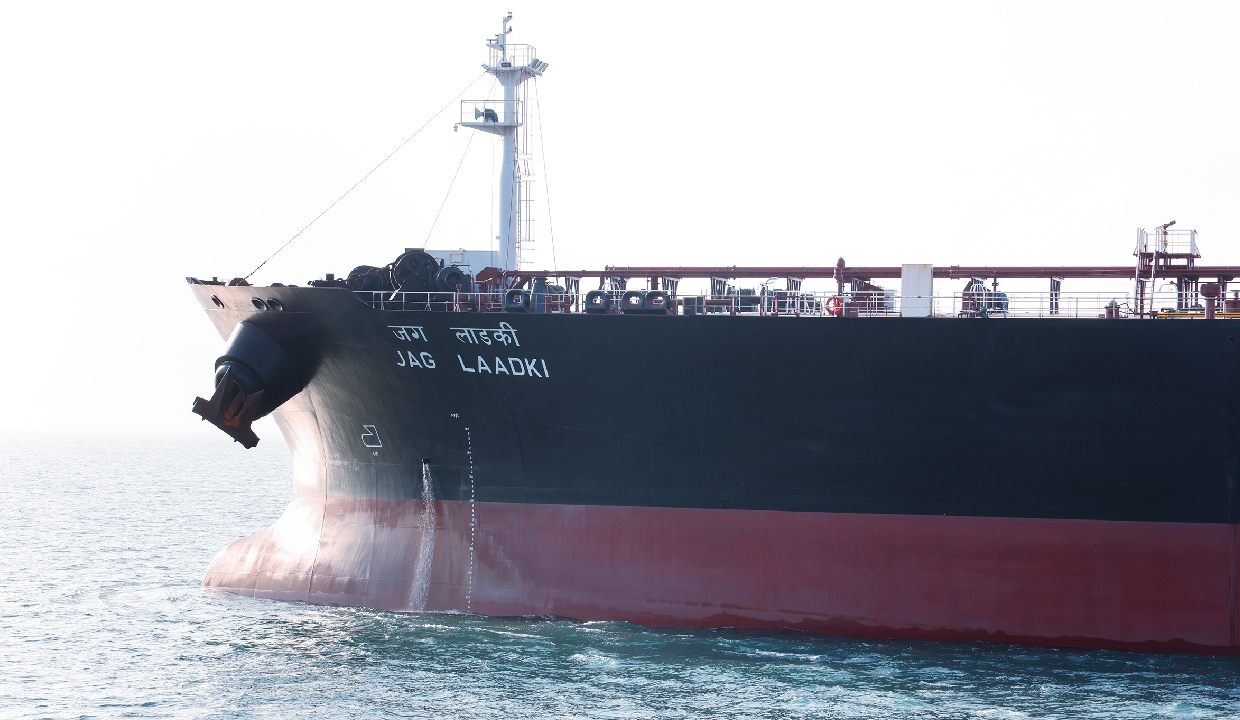
The stranded fleet comprises a mix of vessel types, highlighting the scale of disruption. Among the 22 ships on the western side, six are LPG carriers, one is an LNG tanker, and four are crude oil tankers. The remaining include container ships, bulk carriers, a chemical carrier, a dredger, and vessels under maintenance or without cargo. Despite the tense situation, India has managed to maintain some inflow of critical energy supplies. On Wednesday, the crude oil tanker Jag Laadki, carrying around 80,886 metric tonnes of crude, docked safely at Mundra Port.
The shipment originated from the United Arab Emirates and was loaded at Fujairah Port, which itself has faced drone and missile threats during the conflict. Earlier, LPG carrier Nanda Devi reached Vadinar Port with 46,500 metric tonnes of cargo, while another vessel, Shivalik, had docked at Mundra earlier this week.
Adani Ports and Special Economic Zone said it ensured safe berthing and coordinated maritime operations to protect India’s energy supply chain during the ongoing crisis. India’s dependence on imported energy makes the disruption particularly significant.
The country imports nearly 88 per cent of its crude oil, 50 per cent of natural gas, and about 60 per cent of LPG requirements. Before the conflict escalated, a substantial portion of these supplies originated from Middle Eastern nations, including Saudi Arabia and the UAE.
The blockade of the Strait of Hormuz has forced India to diversify sourcing, including increased crude procurement from Russia. However, supply constraints have already begun to affect domestic sectors, with reduced gas allocation to industries and limited LPG availability for commercial establishments such as hotels and restaurants.
The scale of disruption extends beyond India. Nearly 500 tanker vessels remain confined within the Persian Gulf region due to the conflict. These include over 100 crude oil tankers, along with significant numbers of product, chemical, and other specialised carriers.
As geopolitical tensions persist with no immediate resolution in sight, Indian authorities continue to monitor developments closely, prioritising the safety of seafarers and the continuity of vital energy supplies.