19 suspected communist guerrillas killed in clashes with Philippine troops
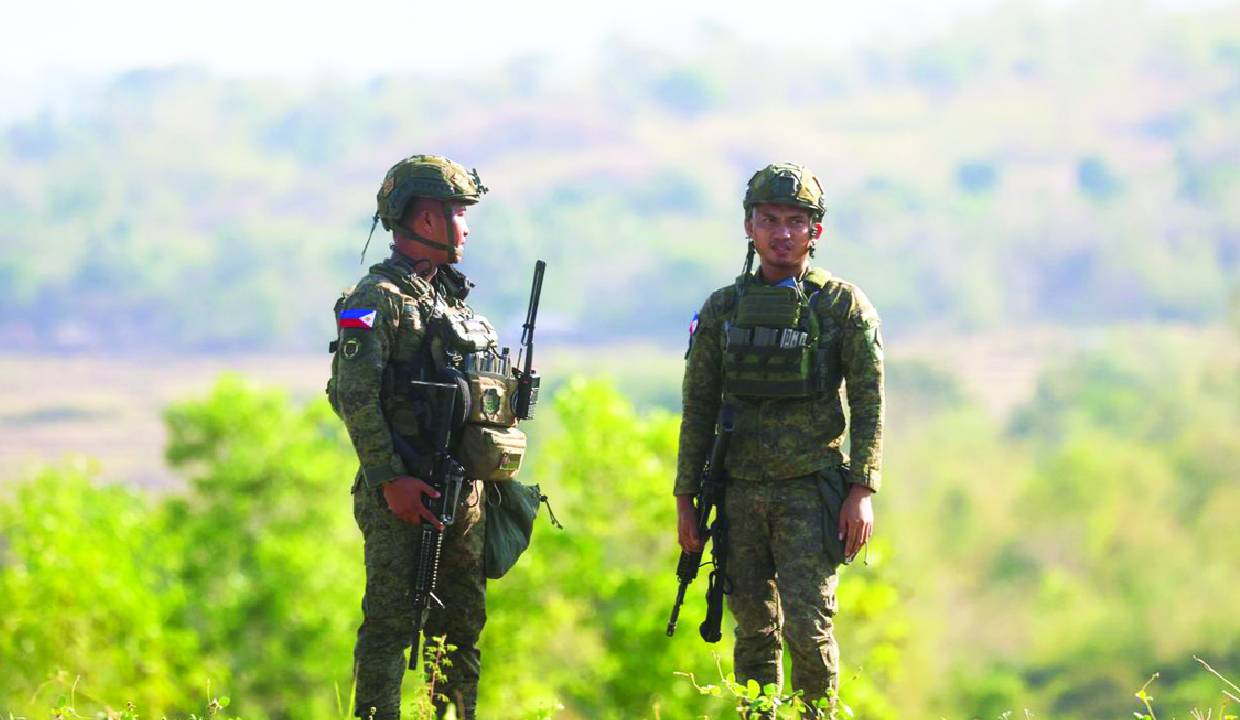
Two Americans were among 19 suspected communist guerrillas who were killed in clashes with Philippine troops in a central province earlier this week, a government anti-insurgency task force said Saturday night.
The National Task Force to End Local Communist Armed Conflict said the Americans were killed with 17 other suspected New People’s Army guerrillas in a series of clashes with army forces on April 19 in the coastal town of Toboso in Negros Occidental province. The deadly fighting was first reported on Monday.
The task force warned Americans of Filipino descent in the United States to be wary of being lured by left-wing activist groups into joining or supporting Filipino insurgents in the Philippines in a recruitment process it described as “terror-grooming”.
The US and the Philippines have separately designated the New People’s Army as a terrorist organisation.
Human rights groups, however, called for an independent investigation into the clashes, saying that civilians were killed including a student leader from the state-run University of the Philippines, two local advocates for farmers’ rights and a local community journalist who wanted to show support for impoverished villagers.
“We call on the international community to monitor this case closely, as it is not an isolated incident but part of a continuing pattern of International Humanitarian Law violations across the Philippine countryside,” the National Union of People’s Lawyers, a human rights group, said.
Undersecretary Ernesto Torres Jr., the executive director of the counterinsurgency task force, identified the two slain Americans as Lyle Prijoles and Kai Dana-Rene Sorem.
The US Embassy in Manila did not immediately respond to a request for comment.
Torres said that all 19 people killed have been identified and their remains have been turned over to family.
“These facts point to a disturbing convergence: foreign nationals in a live combat setting, where the risks are immediate and the consequences irreversible,” he said.
“The presence of two American fatalities in a single encounter should prompt careful reflection on how involvement in certain activities or networks may lead to unintended exposure to dangerous environments,” Torres said.
The two Americans arrived in the Philippines in March and “were believed to have subsequently travelled to Negros Occidental, where they were killed on April 19,” Torres said, without providing other details.
“Our thoughts are with their families, who now face the burden of loss under circumstances that unfolded far from their homes,”Torres said.