Zelenskyy, Starmer urge continuing support for Ukraine against Russia as Iran war steals focus
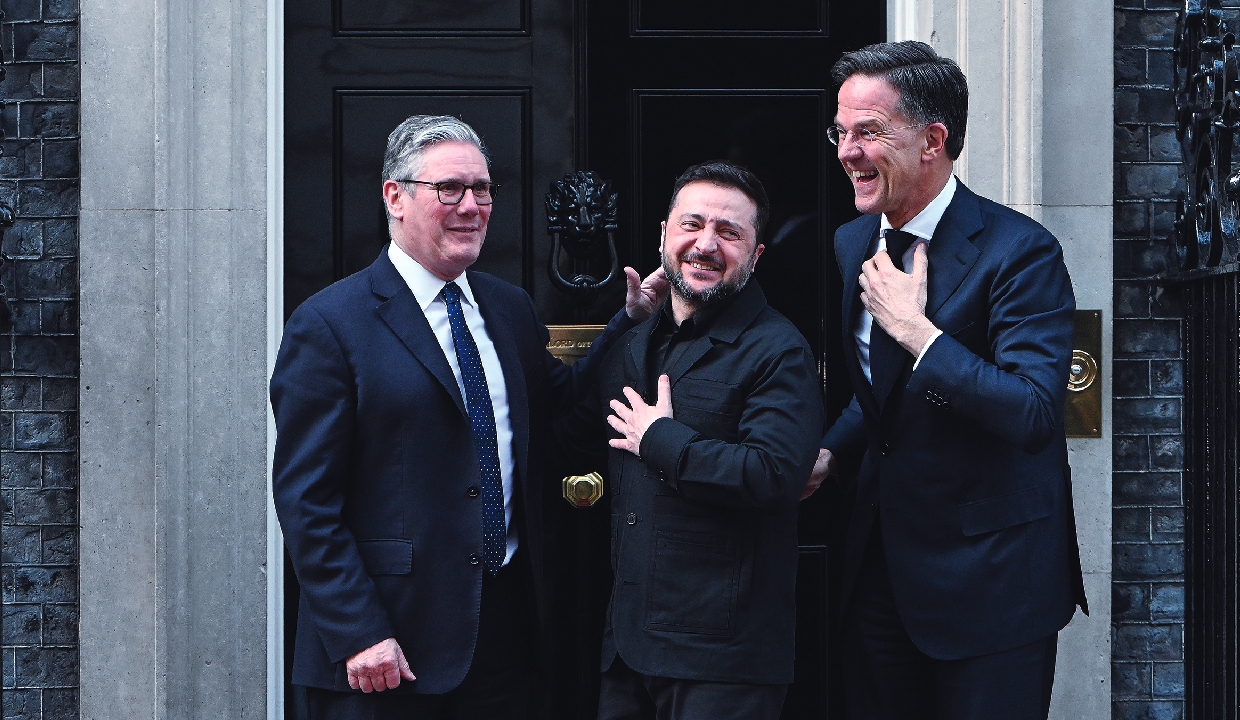
Ukrainian President Volodymyr Zelenskyy called Russia and Iran “brothers in hatred” as he sought support from UK Prime Minister Keir Starmer at a time when the Iran war has robbed US-brokered talks to end Russia’s invasion of Ukraine of momentum.
Zelenskyy urged Ukraine’s allies not to forget about his country during a Middle East war that has also revived Russia’s ailing economy through increased oil revenue and could soon limit Kyiv’s access to vital Western air defense systems that are needed in West Asia. “The regimes in Russia and Iran are brothers in hatred and that is why they are brothers in weapons,” Zelenskyy told lawmakers in Britain’s Parliament.
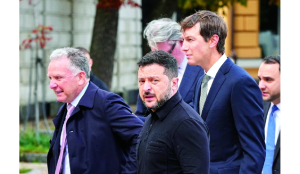
“And we want regimes built on hatred, to never, never win in anything.” Holding talks with Zelenskyy at 10 Downing Street, Starmer said “(Russian President Vladimir) Putin can’t be the one who benefits from the conflict in Iran, whether that’s oil prices or the dropping of sanctions.”
The meeting came days after the US temporarily waived some Russian oil sanctions in a bid to ease pressure on global supplies triggered by the war in the Middle East, which was sparked by the joint US-Israeli strikes on Iran starting February 28. Zelenskyy and some other European leaders criticised Washington’s move to ease sanctions, saying it would provide a windfall for Moscow to keep up its attacks on Ukraine.
Zelenskyy also met with King Charles III at Buckingham Palace before addressing dozens of members of the House of Commons and the House of Lords in Parliament. He told them that other countries could learn from Ukraine’s agile adoption of technology, including drones and AI, for defence. “The fact we got through this winter, which Russia tried to make deadly for all our families, shows that our solutions work,” Zelenskyy said.
Zelenskyy said the London talks, also attended by NATO Secretary-General Mark Rutte. would assess energy security, after Russia hammered Ukraine’s power grid over the winter, and the battlefield situation.
In Brussels, the European Union’s chief diplomat Kaja Kallas noted Tuesday that Russia stands to gain from higher energy prices and the rerouting of advanced Western air defence systems from Ukraine to the West Asia. But, she said, Ukraine “remains Europe’s top security priority and attention for Ukraine will not be allowed to fizzle out.”
Finland’s President Alexander Stubb said the Iran war is bad for Ukraine, “mainly because of the oil price, which feeds the Russian war machinery. The Russian economy was actually doing extremely badly a couple of weeks back. Now it’s bouncing back.” US President Donald Trump says he wants to secure a peace deal that ends Europe’s biggest conflict since World War II and has rattled the continent’s leaders, who reckon that Russia could pose a credible security threat to the European Union by the end of the decade.
But the US-mediated talks between delegations from Moscow and Kyiv, which so far have yielded no significant progress on key issues, are on hold during the Middle East conflict.