Yamuna shows marginal decrease in faecal coliform levels in July: DPCC
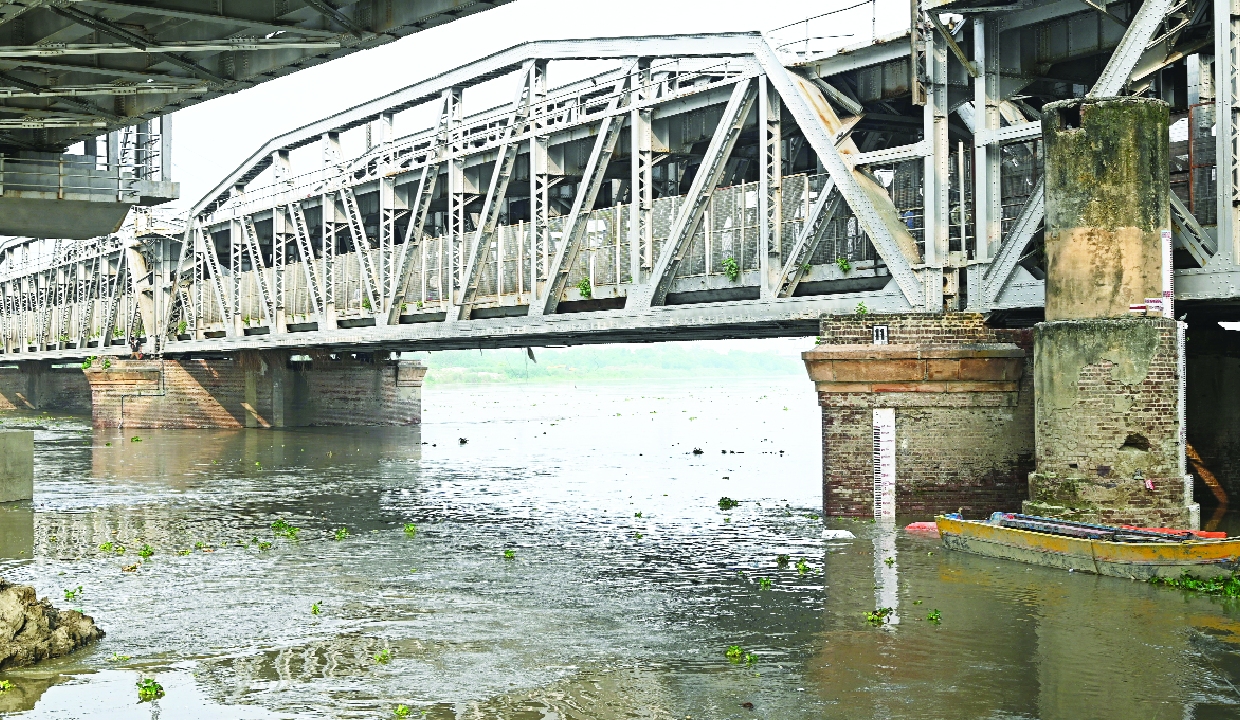
Delhi Pollution Control Committee (DPCC) data on Yamuna water quality for July shows a decrease in faecal coliform levels at several points along the river as compared to the previous month, indicating a declined amount of untreated sewage in the river.
The report, however, continues to show high levels of Biological Oxygen Demand (BOD), a measure of the amount of dissolved oxygen required by microorganisms to break down organic matter in water. A higher BOD value indicates higher levels of pollution, often leading to oxygen depletion and causing harm to aquatic life.
Yamuna water quality testing by the DPCC involves collecting samples from at least seven locations along the course of the river in the capital, gauging several parameters such as BOD, dissolved oxygen, chemical oxygen demand, pH and faecal coliform content, to determine pollution levels.
These locations are Palla, Wazirabad, ISBT bridge, ITO bridge, Nizamuddin bridge, Okhla barrage and Asgarpur in Kidwali, Haryana.
While only one point showed slight deterioration in faecal coliform levels since June, other four points showed considerable improvement, and two points showed no change.
However, the readings remained much higher than the permissible limit of 2,500 and the desirable level of 500.
The June report showed slight deterioration at Nizamudin Bridge, as levels of faecal coliform remained as high as 130,000 Most Probable Number per 100 millilitres (MPN/100 ml), as compared to 120,000 MPN/100 ml in June. The river showed improvement at Asgarpur, where levels of faecal coliform remained at 320,000 (MPN/100 ml) in July, an improvement from 390,000 in June.