‘Yamuna froth localised at Okhla barrage, action ordered’
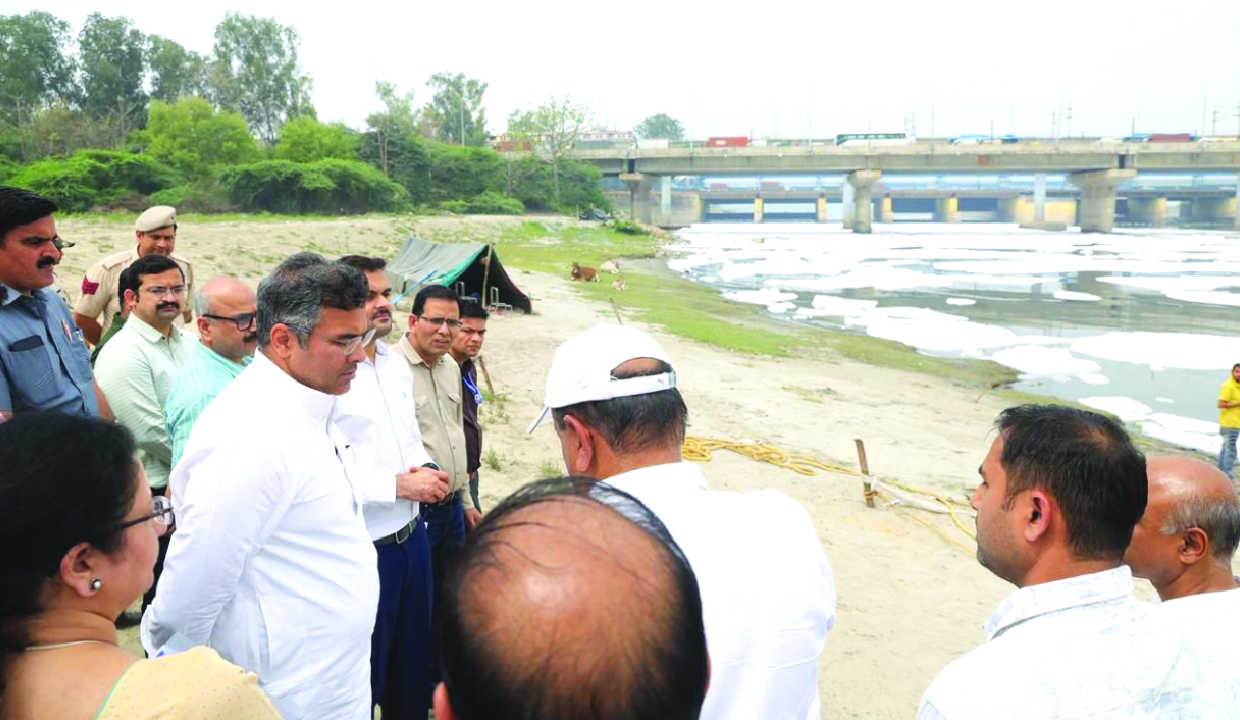
A fresh spell of toxic-looking froth on the Yamuna near Kalindi Kunj has been traced to localised conditions at the Okhla barrage, with authorities linking it to water turbulence and pollutant load, even as the Delhi Government ordered stricter action against sources of contamination.
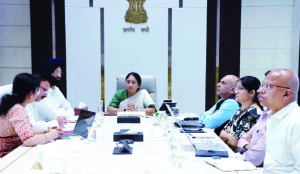
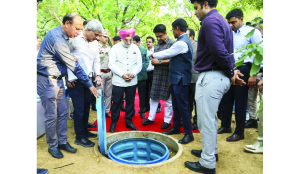
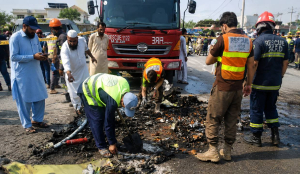
Delhi’s Irrigation and Flood Control Minister Parvesh Sahib Singh Verma led a joint inspection of the affected stretch on Wednesday, bringing together experts and officials from multiple agencies to assess the situation on the ground.
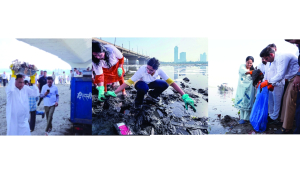
The inspection covered Kalindi Kunj and nearby riverbank areas along the Yamuna River, where froth formation has raised concerns about pollution levels and water quality. Officials said the phenomenon is largely confined to a specific stretch and is linked to structural and flow conditions at the Okhla barrage. Water falling from the barrage creates strong turbulence, which agitates pollutants already present in the river and turns them into visible foam. “What we are seeing is a localised issue linked to technical conditions at the barrage,” the minister said, adding that broader efforts to reduce pollution in the Yamuna are ongoing.
Experts explained that the froth is caused by a combination of factors. Surfactants from household detergents play a major role. These substances, when mixed with turbulent water, produce foam. In addition, untreated or partially treated wastewater entering the river increases the pollutant load.
Officials pointed to multiple contributing sources, including illegal dyeing units, waste discharge from laundry clusters and dhobi ghats, and inflow from drains carrying sewage. Natural organic matter in the river can further intensify frothing, especially when water flow is low, and pollutants remain concentrated.
The presence of these elements, combined with the force of water at the barrage, creates ideal conditions for foam formation in that particular stretch. Taking a firm stance, the minister directed the Delhi Pollution Control Committee to intensify monitoring and act against violators. He said any source found discharging pollutants into the river would face strict action. “Our focus is clear. There will be no compromise on reducing pollution in the Yamuna,” he said.
The inspection also reviewed the functioning of sewage and effluent treatment systems. Officials from the Delhi Jal Board were instructed to ensure that Sewage Treatment Plants (STPs) and Common Effluent Treatment Plants (CETPs) operate at full efficiency.