What makes an Indian citizen? Ministry of External Affairs draws a legal distinction
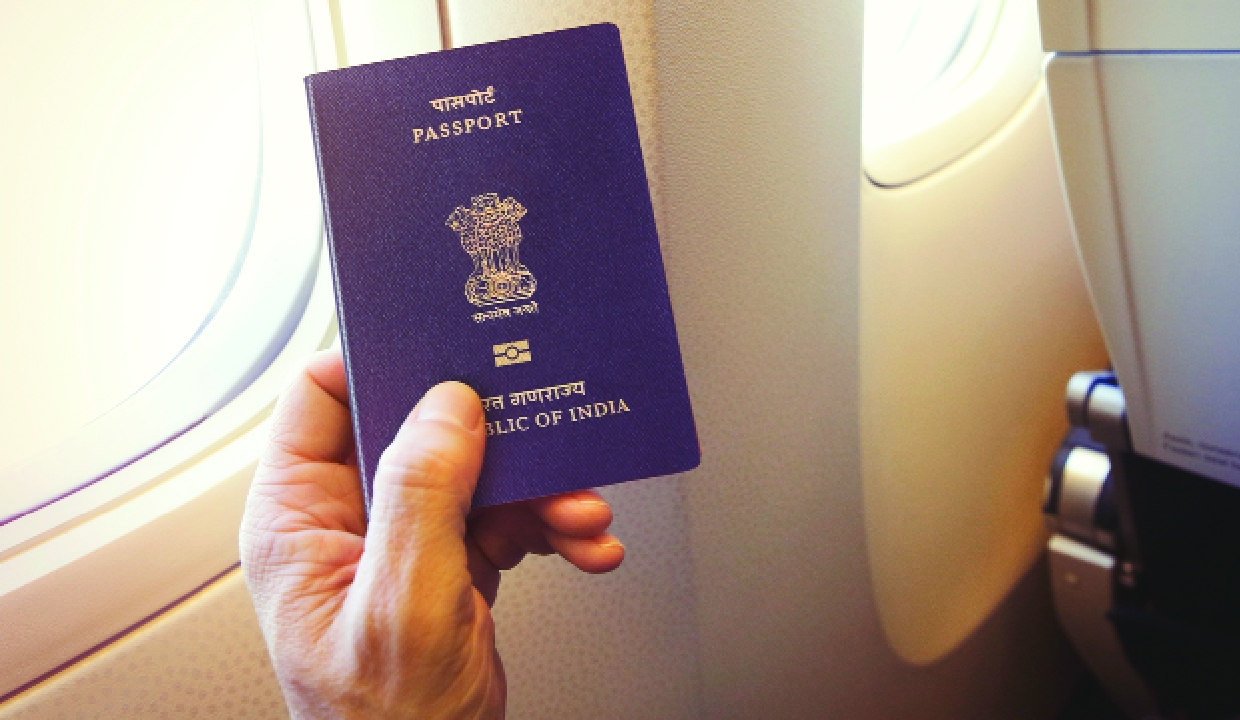
On Wednesday, an MEA official explained that the Indian passport is a “travel document,” not a “citizenship document.” While only Indian citizens can obtain a passport after verification, simply having one does not, on its own, prove citizenship.
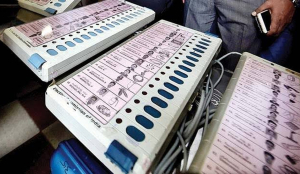
This statement was made during the Special Intensive Revision (SIR) of voter rolls in several states, in which some people attempted to use passports to contest their exclusion from the rolls. This distinction is important because the Supreme Court has also said that Aadhaar is just an identity document, not proof of citizenship.
This difference is based on the law. The Passports Act, 1967, states that a passport’s primary purpose is to facilitate international travel. It identifies the holder and asks foreign governments to allow safe passage. Section 6 generally bars non-citizens from obtaining a passport. Still, Section 20 permits the Central Government to issue a passport or travel document to a non-citizen if it serves the public interest.
A passport is not final proof of citizenship. It shows nationality for travel, but Indian citizenship is a separate legal status under the Citizenship Act, 1955 (as amended). Courts have said that no single document, including a passport, is enough by itself. In 2013, the Bombay High Court ruled that a passport, even with a birth certificate or Aadhaar, was not enough to prove citizenship for people born after July 1, 1987. They also need to show that at least one parent was an Indian citizen at the time of their birth.
Some key questions are: how carefully citizenship is checked before a passport is issued; whether the passport booklet is your property; when and why you must return it; what counts as proof of citizenship; and why this clarification is important now. Passport authorities review Aadhaar, PAN, birth records, school certificates, and parental documents, and they also carry out police verification with other government agencies.
However, this process only decides if you qualify for a travel document, not your citizenship. Past errors show why this is important. The passport says it is the “property of the Government of India.” You can use and keep it, but the government owns and controls it. This is normal in most countries and shows that a passport is an official document, not your personal property.
Section 10 of the Passports Act allows authorities to revoke or cancel a passport for reasons such as wrongful possession, concealment of important information, security issues, ongoing criminal cases, or violations of rules. If your passport is cancelled, you must return it right away. Section 12 also requires you to return your passport if you become a citizen of another country, as India does not allow dual citizenship for ordinary citizens. If you do not follow these rules, you can be penalised. The government can ask for your passport at any time, so you do not have an absolute right to keep it.
No single document can fully prove citizenship. Indian citizenship is a legal status you get by birth, descent, registration, or naturalisation under the Citizenship Act. For people born after 1987, it is often necessary to show that a parent was an Indian citizen at the time of birth.
In cases such as voter list exclusions, deportations, or rights claims, officials and courts review all the evidence in accordance with the law. Aadhaar, Voter ID, PAN, or a passport can help prove identity or residency, but none is sufficient on its own. The state or courts make the final decision. Once is part of how things work in India. As digital checks become more common with Aadhaar links, voter roll updates, and biometric e-passports, the government is making it clear what each document is meant for.
A passport lets you travel and get visa-free or e-visa entry in many countries, but it does not determine citizenship in India. The key takeaway is simple: the law keeps citizenship separate from any single document. The MEA’s statement is legally sound and useful because it clarifies that citizenship is determined by law, not by holding a passport.