West Asia crisis pushes Indian kitchens to panic book cylinders
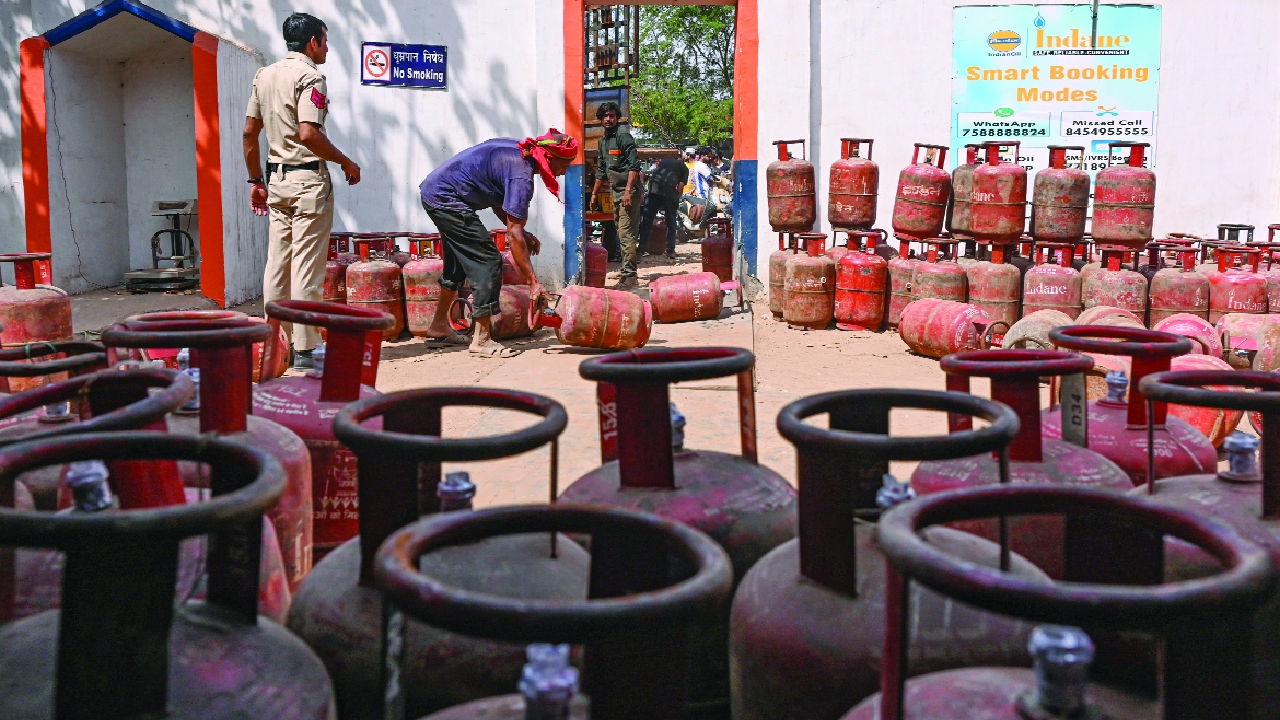
The unease over LPG supply that began with tensions in West Asia is now quietly simmering in kitchens across India — from households waiting for cylinders to restaurants in Delhi’s dining districts weighing shutdowns.
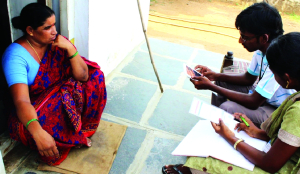
Even as the Union Government has repeatedly assured that there is no shortage of LPG and urged consumers not to panic, reports of supply delays and black-market pricing are spreading across several cities. A nationwide survey by community platform LocalCircles suggests that more than half of household consumers have faced disruptions over the past week.
According to the survey, 53 per cent of respondents said LPG dealers had informed them of supply delays or disruptions. Another 57 per cent reported difficulties booking or receiving cylinders in the last seven days, including longer delivery times, delayed bookings or cylinders being unavailable.
The shortage fears have triggered panic booking and long queues at distribution agencies in some areas. While a domestic LPG cylinder typically costs between INR 900 and INR 1,000, survey respondents reported paying significantly more in the open market. About 36 per cent of households experiencing black-marketing said suppliers or middlemen were charging INR 100-INR 500 extra per cylinder, while 9 per cent reported paying more than INR 500. In some parts of Delhi-NCR, prices have reportedly reached INR 1,500 to INR 2,800 per cylinder. The Government has directed oil marketing companies to prioritise domestic consumers and asked State authorities to monitor the situation closely to prevent hoarding and profiteering.
The strain on supply is also beginning to show in Delhi’s restaurant industry, where kitchens depend heavily on commercial LPG cylinders. Across major dining districts such as Connaught Place, Khan Market and Greater Kailash, restaurants are rethinking fuel options and reorganising operations.
Managers say the city’s dining ecosystem has effectively split into three groups: establishments connected to Piped Natural Gas (PNG) networks that remain unaffected, restaurants confident of regular commercial LPG supply, and smaller eateries that rely entirely on cylinder deliveries and are already feeling the strain.
At Diggin Cafe in Connaught Place, manager Rakesh said the delay in new cylinders has made operations uncertain. “There is a lot of difficulty. We may have to shut down,” he said, adding that the kitchen was close to exhausting its fuel stock.
Large multinational chains appear even more confident about managing supply. At KFC in Connaught Place, a manager said fuel supply is handled centrally by the company. “One cylinder lasts around four days. The company manages the entire fuel supply system. If there is any major issue, they might temporarily shut outlets for a few days. But so far we have not faced any problem,” he said.
In South Delhi, the shortage has already forced one temporary closure. Gagandeep Singh Sapra, owner of the North Indian restaurant Tadka Rani, said he had to shut his kitchen after running out of LPG. Posting on social media, he said black-market prices had surged to over INR 5,000 per cylinder. “It hurts to close the kitchen and select the option ‘Closed due to LPG shortage’,” he wrote.
However, many established restaurants say operations remain stable. Managers at long-standing eateries in Connaught Place said regular commercial cylinder supplies were continuing, though they were monitoring the situation closely.
The most secure businesses are those connected to piped natural gas networks. Restaurants in areas such as Khan Market said the PNG system has shielded them from the current disruption.
For now, Delhi’s dining scene continues to function - but unevenly. While kitchens with piped gas remain insulated, smaller establishments dependent on cylinder deliveries are beginning to feel the pressure of a supply chain strained by global tensions and rising domestic demand.