West Asia crisis disrupts Indian aviation, 10,000 flights cancelled
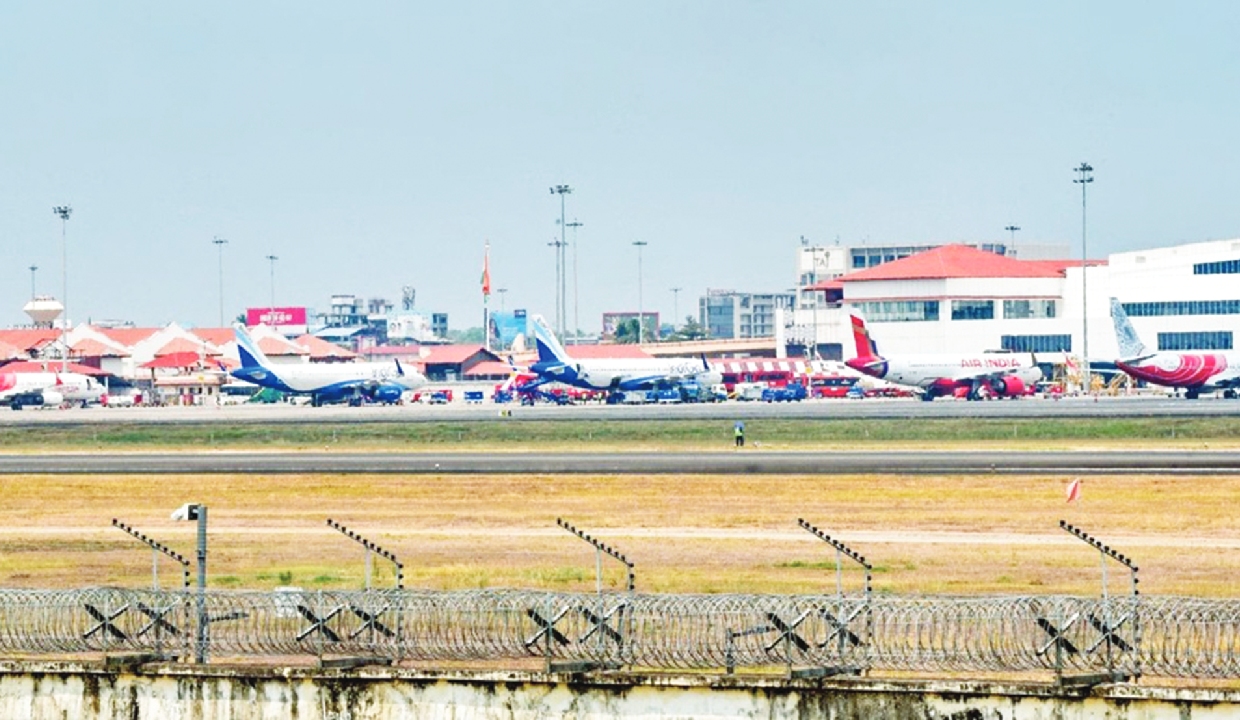
The ongoing conflict in West Asia has severely disrupted India’s aviation sector, leading to the cancellation of more than 10,000 flights since late February, a senior Government official said on Tuesday. Escalating tensions and widespread airspace restrictions across the region have significantly impacted international flight operations, particularly long-haul routes to Europe and North America.
According to Asangba Chuba Ao, Joint Secretary in the Ministry of Civil Aviation, Indian carriers that previously operated 300–350 daily flights to the Middle East have seen that number drop sharply to around 80–90. The decline follows the closure or restriction of airspace in several West Asian countries, including Israel, Jordan, Lebanon, Kuwait, Qatar, Bahrain, and the UAE.
The conflict, triggered by military action involving the United States, Israel, and Iran, has caused what officials describe as “unprecedented disruption in global aviation networks.” Airlines have been forced to reroute flights, increasing travel time and operational costs.
To mitigate the impact, the Directorate General of Civil Aviation (DGCA) has temporarily relaxed Flight Duty Time Limitations (FDTL), allowing pilots to operate longer hours. This includes extending permissible flight time to approximately 11.5 hours to accommodate extended flight paths. The relaxation is currently valid until April 30 and may be reviewed depending on how the situation evolves.
Officials also highlighted rising aviation turbine fuel (ATF) costs as a major challenge, noting that fuel accounts for nearly 40 per cent of airline operating expenses. While global fuel prices have surged, the Government has moderated domestic price increases to prevent a steep rise in airfares.
Additional measures include allowing foreign airlines such as Emirates, Kuwait Airways, and Jazeera Airways to operate passenger aircraft for cargo services, ensuring continuity in critical supply chains.
Despite the Government’s efforts, the crisis has placed financial strain on airlines. Around 50 per cent of Indian carriers’ international operations are linked to West Asia, making the disruption particularly significant. Airlines have begun introducing distance-based surcharges to offset rising fuel costs.
The Ministry of Civil Aviation stated it is working closely with stakeholders to support the sector and maintain stability. “Passenger safety, cargo continuity, and sectoral resilience remain our top priorities,” the official said.