US-Iran war truce faces setbacks
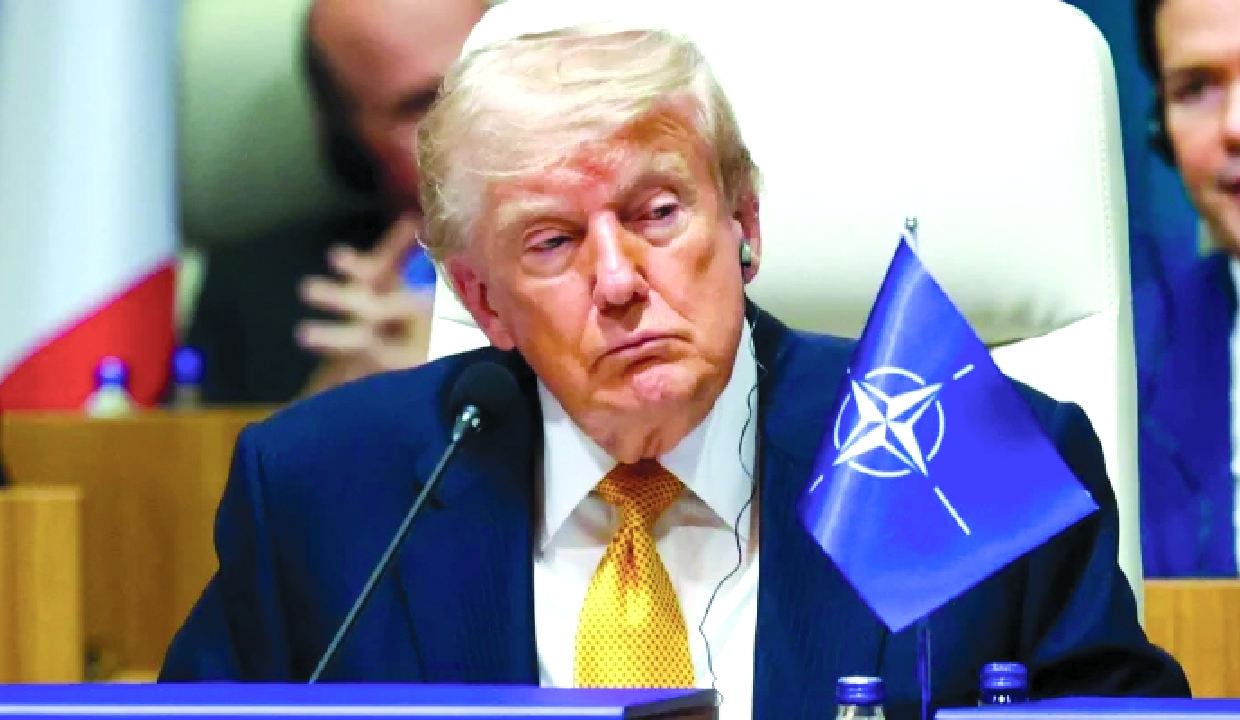
US and Iranian leaders traded further threats on Saturday as the interim deal to end the war buckles under repeated crossfire in the Middle East.
President Donald Trump upped threats of further missile attacks against Iran in a string of comments on his Truth Social that came after senior US officials demanded that Iran make a public statement saying the Strait of Hormuz is open and that ships crossing the vital corridor won’t be attacked.
Trump also made the comments after the funeral of Supreme Leader Ayatollah Ali Khamenei saw open calls for the US leader’s killing.
Later on Saturday, Iranian Supreme Leader Mojtaba Khamenei vowed that Iranians would continue to avenge the killing of his father, Ali Khamenei, who was mourned in funeral events throughout Iran this week.
He said in remarks carried by State television that such revenge “is the will of our nation and must certainly be carried out.”
So far, Tehran has not submitted to US demands over the Strait of Hormuz, instead insisting that the route remain under its control and that it be allowed to charge ships moving through it.
There had been multiple days of US airstrikes targeting Iran, as well as Iranian retaliatory fire targeting nations across the Middle East. Those strikes had been sparked by Iran attacking three ships in the strait earlier this week.
On Truth Social on Friday, Trump declared the ceasefire over but said the US would continue negotiations. Iranian Foreign Minister Abbas Araghchi travelled to Oman for more talks on Saturday, a day after Qatari mediators separately traveled to Iran to meet with officials amid the regional strikes.
Meanwhile, a thousand “missiles are Locked and Loaded and aimed at the Islamic Republic of Iran, with thousands more to immediately follow, should the Iranian Government act on its threat,” Trump wrote on his website.
The US president said he was responding to threats “to assassinate, or attempt to assassinate” him. During Khamenei’s funeral, mourners repeatedly held posters or banners calling for him to be killed along with Israeli Prime Minister Benjamin Netanyahu.
US officials, who spoke on condition of anonymity to describe to reporters the state of play with Iran, said the resumption of strikes this week came after what they described as a rogue faction of Iranian hard-liners trying to sabotage the ceasefire between Tehran and Washington.
However, Iran has insisted its theocracy is unified after the war under the country’s new supreme leader.
Moments before the US officials spoke, however, Tehran’s diplomat at the United Nations told reporters that any activity in the Strait of Hormuz, including its opening or demining operations, “rests exclusively with Iran.”
Iran has said the strait must now be under its sole control and that vessels should begin paying fees to Tehran - even though the world has for decades considered it an international waterway. About a fifth of all traded oil and natural gas passed through the strait before the war began.