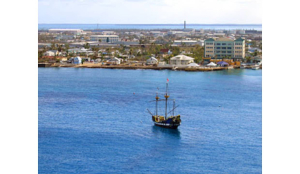
Two US tourists booked for flying drone near Red Zone in Kochi
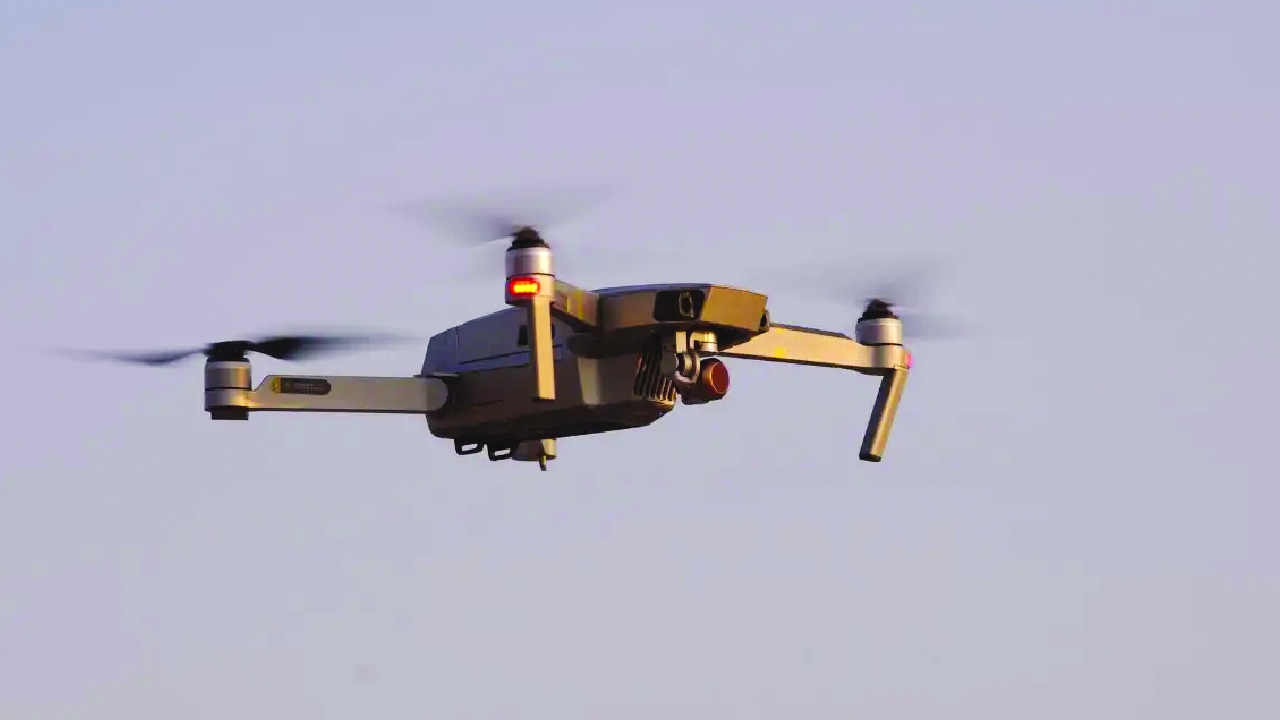
Two American nationals have been booked by the Kerala Police for operating a drone without permission in a proscribed ‘Red Zone’ near key Indian Navy and Coast Guard facilities in Fort Kochi. The accused have been identified as Katie Michelle Phelps (32) and Christopher Ross Harvey (35), both from Redding, California, United States of America.
This incident has come close on the heels of an American mercenary, Matthew Aaron Vandyke, being arrested with six Ukrainians for smuggling weapons and training insurgent groups in Myanmar.
According to a senior official, the American couple had reached Kochi as tourists and were spotted on the morning of March 21, flying a drone to capture aerial videos and visuals near Chariot Junction, close to the Children’s Park. Two US tourists booked for flying drone near Red Zone in Kochi
This area falls within a designated red zone that encompasses INS Dronacharya, the Indian Navy’s premier gunnery and missile training school. It also houses the headquarters of the Indian Coast Guard.
Under India’s Drone Rules, 2021, red zones are strictly no-fly areas. Drone operations are strictly prohibited around defence establishments, airports and other strategic areas without explicit prior permission from authorities.
Kerala Tourism Police noticed the activity and promptly intervened. A First Information Report (FIR) was registered at the Fort Kochi police station under relevant sections of the Bharatiya Nyaya Sanhita (BNS), the Aircraft Act, and the Drone Rules. The duo’s drone and laptop were seized as evidence.
Kerala Police have clarified that the two foreigners were not formally arrested. They were questioned at the station and released on notice, requiring them to appear before investigators as and when required. Officials have not alleged any security breach yet.
It may be noted that Fort Kochi, with its historic naval presence, remains a high-security zone. INS Dronacharya trains Indian Navy personnel in gunnery, missiles, and advanced weaponry systems, while the Coast Guard headquarters oversees maritime security operations along India’s western seaboard.
Unauthorised aerial surveillance in such areas is taken seriously to prevent potential intelligence gathering or safety risks. India’s drone policy, enforced by the Directorate General of Civil Aviation (DGCA), divides airspace into green (permitted with basic rules), yellow (requires permission), and red (no-fly) zones.
As per the law of the land, flying in red zones can attract heavy penalties, including fines, confiscation of equipment, and legal proceedings. Foreign nationals, in particular, are expected to familiarise themselves with these rules before using recreational or professional drones.
This incident highlights the growing popularity of drone photography among international visitors to Kerala’s scenic backwaters and coastline and the legal pitfalls that can arise when rules are overlooked. Similar cases have occurred in other sensitive locations across India, where even well-meaning tourists have faced scrutiny.
As the investigation continues, Phelps and Harvey remain in Kochi and are cooperating with authorities. Meanwhile, the Karalam Police have urged all visitors to check the DGCA’s Digital Sky platform or consult local tourism offices before operating drones anywhere in the country. This particular case serves as a timely warning to all. India’s skies may be beautiful, but in protected zones, one should not try any adventure or explore with a drone. Any misadventure around red zones will have consequences.
Leave a Comment
Comments (1)
the authorities should not merely deport them. it must investigate them fully for any wider conspiracy, prosecute them, and if found guilty must serve out their sentence here, after which deported. we live in a difficult time for our security.