Trump signals Iran deal with threats
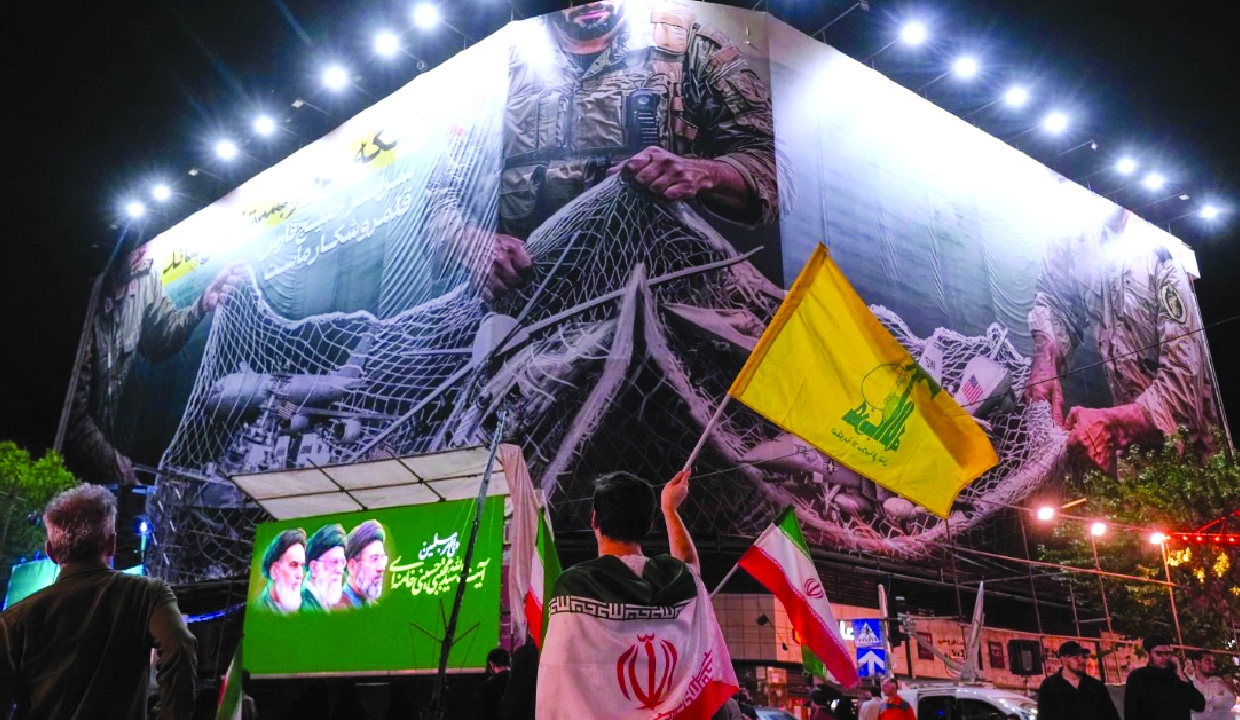
The US and Iran appeared to edge closer Wednesday to a preliminary agreement aimed at ending their two-month conflict, even as US President Donald Trump intensified pressure on Tehran with threats of renewed and escalated military action.
In a post on social media, Trump suggested the war could soon conclude and that disrupted oil and natural gas shipments might resume. However, he emphasised that any resolution depends on Iran accepting the terms of a proposed agreement that he did not fully disclose.
“If they don’t agree, the bombing starts,” Trump warned, adding that any renewed strikes would be “at a much higher level and intensity than before.”
The conflict has centered heavily on the Strait of Hormuz, a critical global shipping route through which a large share of the world’s oil and gas supplies pass. Iran’s effective closure of the Strait has driven up fuel prices, disrupted global trade, and increased economic pressure on major economies, including China.
According to reports, the White House is working toward a one-page memorandum that could outline key steps to end the war.
Proposed elements include a temporary halt to Iran’s uranium enrichment, partial lifting of U.S. sanctions, release of frozen Iranian funds, and reopening of the strait to commercial shipping. No agreement has been finalized.
Marco Rubio, the U.S. Secretary of State, said he hopes Chinese officials will urge Iran to ease its blockade during high-level diplomatic talks this week.
Iranian Foreign Minister Abbas Araghchi visited Beijing this week, marking his first trip to China since the war began. His visit comes ahead of Trump’s planned summit with Chinese President Xi Jinping on May 14-15.
Chinese Foreign Minister Wang Yi called for an immediate ceasefire and stressed the importance of continued dialogue. He noted that the conflict has caused significant harm not only to Iran but also to regional and global stability.
China reiterated its support for diplomatic resolution, while also affirming Iran’s right to peaceful nuclear energy, provided it does not pursue nuclear weapons.
A fragile ceasefire has largely held since April 8, despite ongoing tensions. The U.S. had recently launched “Project Freedom” to secure a safe shipping corridor through the strait, reportedly sinking several Iranian vessels that threatened commercial traffic. Only limited shipping movement has resumed.
Trump announced he is pausing the operation to give diplomacy a chance, signalling cautious optimism about a potential agreement.
Meanwhile, global oil markets showed signs of stabilization, with Brent crude prices dropping to around USD 100 per barrel after earlier spikes, though still significantly higher than pre-war levels.
Shehbaz Sharif, Prime Minister of Pakistan, welcomed the U.S. decision to pause military escort operations, calling it a constructive step toward peace. He emphasized the importance of dialogue and expressed hope that current efforts would lead to a lasting resolution.
As diplomatic efforts intensify, the coming days-particularly the upcoming U.S.-China summit-are expected to play a critical role in determining whether a ceasefire can evolve into a durable peace agreement.